

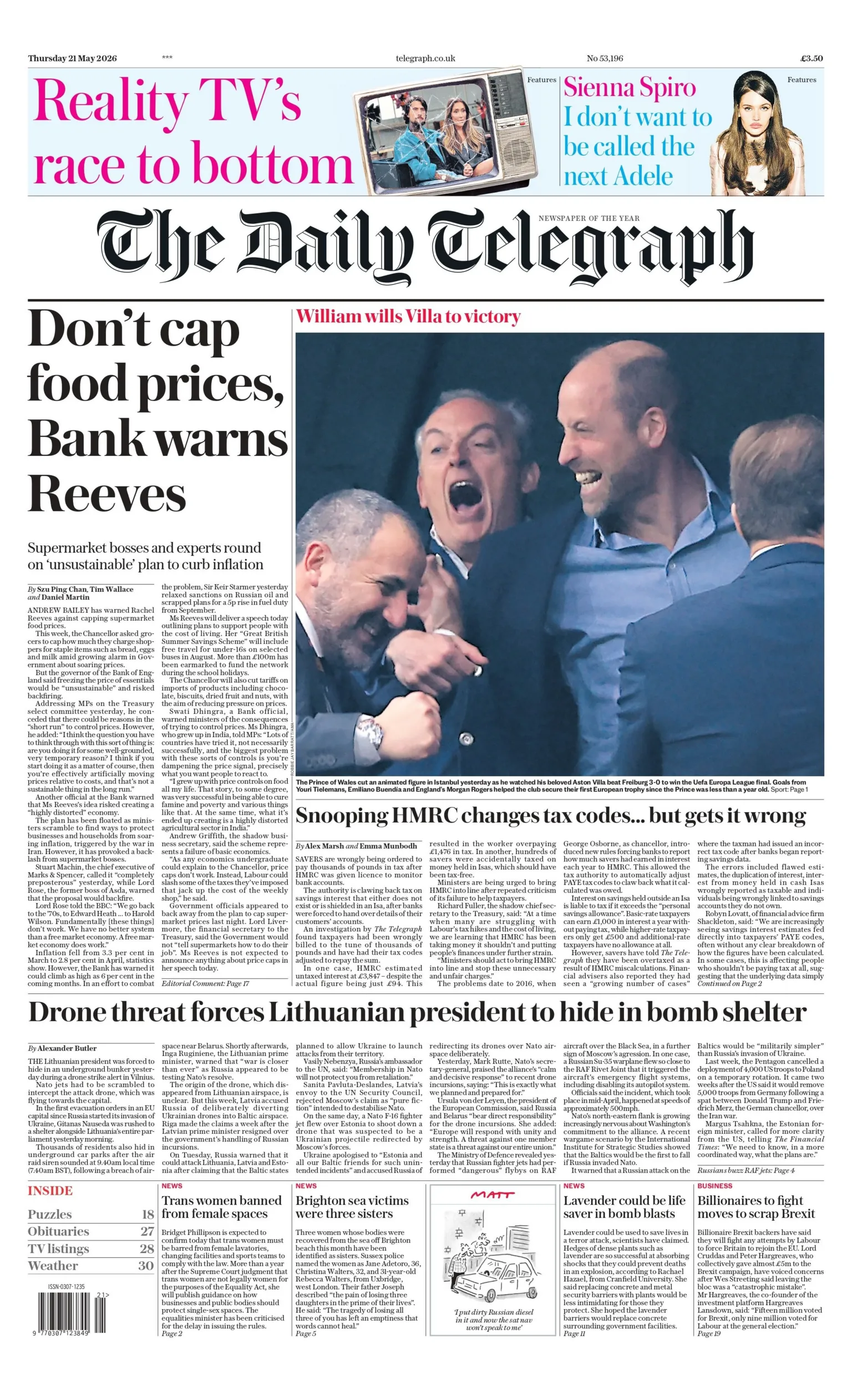
Global leaders and economists are grappling with two distinct yet interconnected crises: the escalating debate over food price caps amidst soaring inflation, and the precarious geopolitical landscape described by some as ’20ft from World War III’.
Economists worldwide are cautioning against government intervention to cap food prices, arguing that such measures, while seemingly offering immediate relief, could lead to severe long-term consequences. Experts from institutions like the World Bank and the International Monetary Fund (IMF) have highlighted historical examples where price controls resulted in supply shortages, black markets, and a significant disincentive for agricultural producers. The argument posits that market distortions could exacerbate food insecurity rather than alleviate it, urging instead for policies that address supply chain inefficiencies, support sustainable agriculture, and provide targeted aid to vulnerable populations. The current surge in food costs is attributed to a confluence of factors including adverse weather conditions, energy price hikes, and ongoing supply chain disruptions stemming from recent global events.
Simultaneously, international relations experts are sounding alarms over heightened global tensions, with some analysts using stark language to describe the current geopolitical climate. The phrase ’20ft from World War III’ encapsulates the widespread concern over various flashpoints around the globe, from regional conflicts and proxy wars to increased military posturing by major powers. Diplomatic efforts are reportedly intensified behind the scenes to de-escalate potential conflicts and prevent miscalculations that could have catastrophic global repercussions. The interconnectedness of global economies means that any major conflict could severely impact trade routes, energy supplies, and food security, further complicating the economic challenges already faced by nations worldwide.
This dual challenge of economic instability and geopolitical fragility underscores a critical period for international cooperation and strategic foresight. Addressing these complex issues requires a multifaceted approach that prioritizes both economic resilience and diplomatic solutions to safeguard global peace and prosperity.
#GlobalEconomy #FoodPrices #Inflation #PriceCaps #Geopolitics #WorldPeace #InternationalRelations #ConflictPrevention #EconomicCrisis #GlobalStability






Leave a Reply