

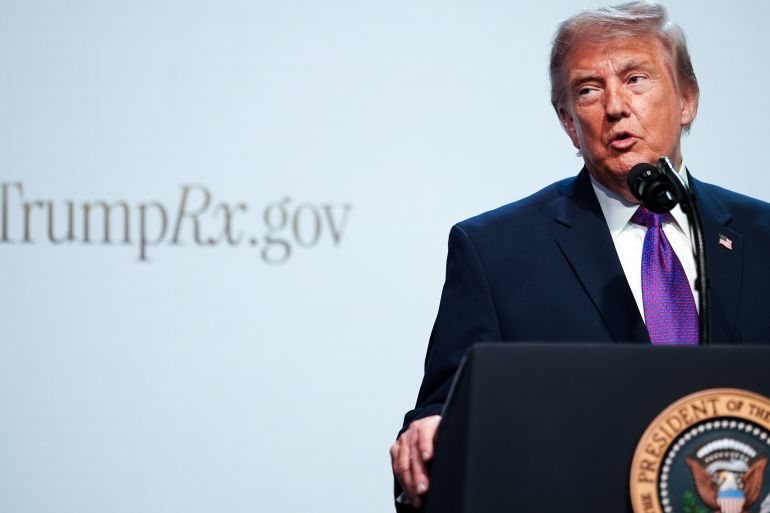
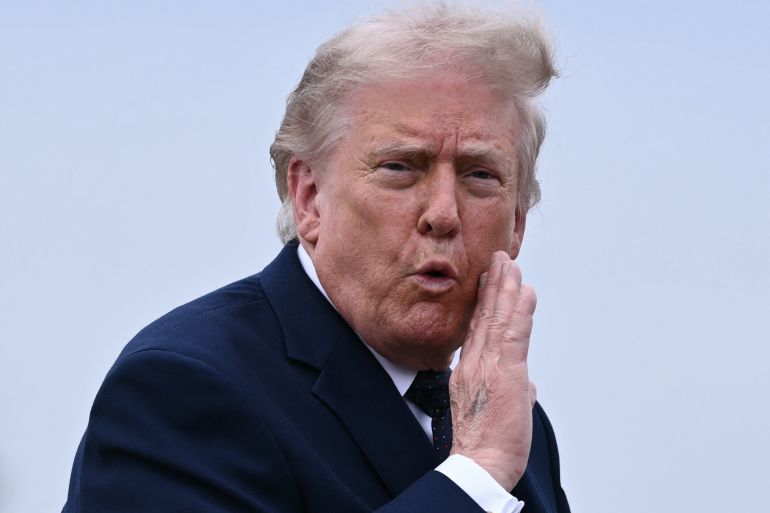
United States President Donald Trump has announced that a Memorandum of Understanding (MOU) for a ceasefire, aimed at ending the US-Israel conflict with Iran, has been “largely negotiated.” This significant development signals a potential breakthrough in the protracted tensions.
Key Aspects of the Proposed Deal
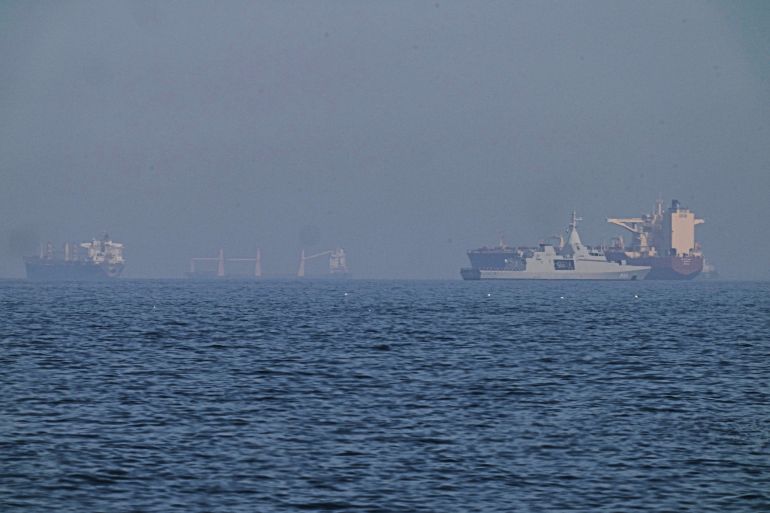
Speaking on Saturday, President Trump indicated that the agreement would include the crucial reopening of the Strait of Hormuz, a vital global shipping lane. He emphasized, however, that the deal remains “subject to finalization” by negotiators from the United States and Iran, alongside “various other countries” involved in the diplomatic process.
The announcement followed a series of high-level discussions. President Trump held calls with leaders and officials from Qatar, Saudi Arabia, the United Arab Emirates, Pakistan, Jordan, Egypt, Turkiye, and Bahrain. He also confirmed a separate conversation with Israeli Prime Minister Benjamin Netanyahu, underscoring the broad regional and international engagement in these talks.
Ongoing Discussions and Recent Developments
On his Truth Social platform, Trump stated, “Final aspects and details of the Deal are currently being discussed, and will be announced shortly.” This statement comes amidst a week characterized by fluctuating rhetoric from the former president, who had previously threatened Iran with a looming deadline for a lasting ceasefire. He later revealed that he had been moments away from resuming military actions but decided to put them “on hold” at the request of Gulf countries. Trump has since alternated between renewing threats of escalation, including a controversial social media post depicting Iran covered in a US flag, and asserting that a deal was imminent.
Adding to the momentum, President Trump’s statement was released shortly after Pakistan’s army chief, Asim Munir, concluded what was described as a “highly productive” visit to Iran on Saturday. A statement from Pakistan’s military noted that “encouraging progress” had been made towards reaching a final understanding during this visit.
Historical Context and Sticking Points
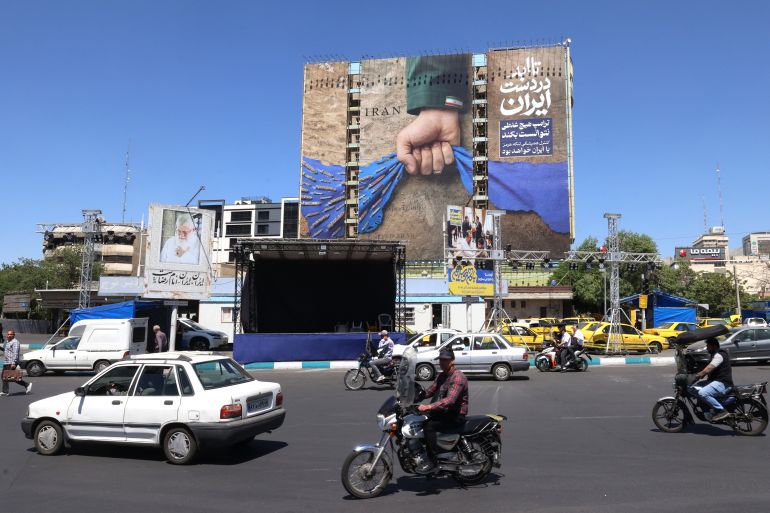
Iranian officials have consistently expressed caution regarding negotiations with the United States, citing past instances where the US launched military attacks on Iran during discussions concerning its nuclear program. This historical context contributes to Tehran’s measured approach to the current talks.
The latest conflict between the US and Israel against Iran commenced on February 28. While fighting has largely been paused since April 8, a few isolated flare-ups have been reported. Currently, the US maintains a blockade on Iran’s ports, which has led to Iran effectively closing the Strait of Hormuz in response.
Key unresolved issues in the proposed agreement include the future of Iran’s nuclear program, its influence over the Strait of Hormuz, the extent of the US military presence in the region, and access to frozen Iranian funds. These complex issues form the core of the ongoing negotiations.
#IranDeal #CeasefireTalks #StraitOfHormuz #USDiplomacy #MiddleEastPeace #NuclearProgram #RegionalSecurity #TrumpAnnouncement #PakistanIran #InternationalRelations


Leave a Reply