


A fragile two-week ceasefire between the United States and Iran is under strain due to conflicting proposals and differing accounts from officials regarding a potential peace deal. At the core of this uncertainty is Iran’s 10-point plan, intended as the basis for upcoming negotiations with the US in Islamabad.
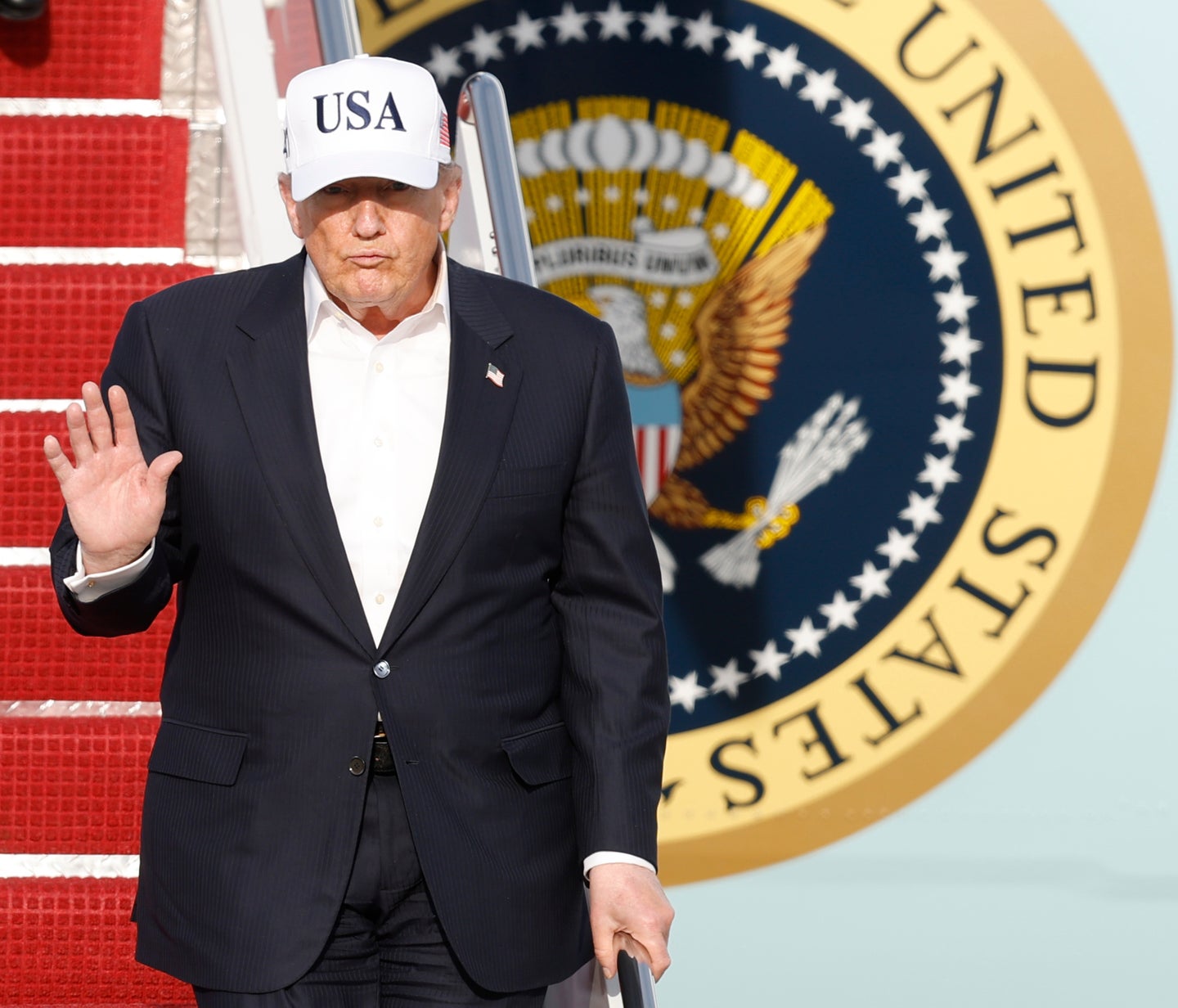
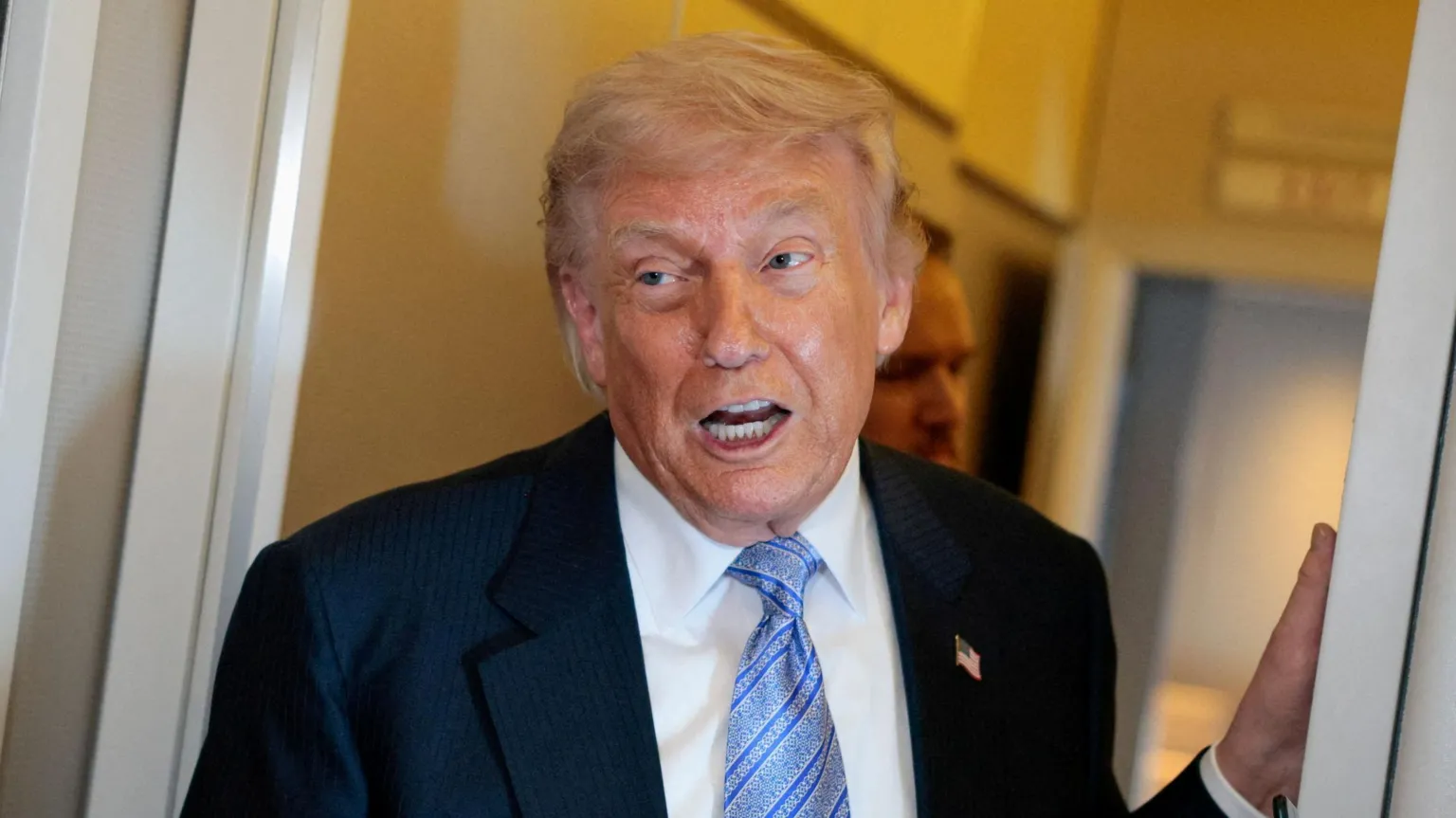
Initially, President Donald Trump described Iran’s plan as “workable,” despite his administration having first presented Iran with a 15-point plan that Tehran rejected as “maximalist.” However, following the ceasefire, US officials, including Trump, offered mixed responses to Iran’s proposal. Vice President JD Vance even dismissed the publicly circulated version as insignificant, likening it to a “random yahoo in Iran submitting it to public access television.” Adding to the confusion, the Persian and English versions of Iran’s plan diverge significantly on the critical issue of Iran’s right to enrich uranium.
The US’s earlier 15-point framework, as reported by media, demanded Iran commit to never developing nuclear weapons, cease uranium enrichment, hand over enriched stockpiles to the IAEA, allow extensive monitoring, reopen the Strait of Hormuz, and end support for regional proxies. In return, all sanctions and the UN sanctions reimposition mechanism would be lifted, and limits on Iran’s missiles would be imposed. Trump had expressed optimism that “many of the 15 points” were agreed upon, hinting at discussions on sanctions relief. However, Iran’s Foreign Affairs spokesperson Esmaeil Baghaei rejected these demands as “maximalist” and “illogical.”
Tehran responded with its own 10-point counterproposal, which included demands for war reparations, a US commitment to non-aggression, Iran retaining control over the Strait of Hormuz, and crucially, the acceptance of its right to nuclear enrichment.
The US reaction to this 10-point proposal was inconsistent. While Trump initially called it a “workable basis,” he later used his social media platform to attack “inaccurate accounts” of agreements. He clarified that only a specific set of “POINTS” were acceptable to the US, to be discussed privately, and explicitly stated “no enrichment of Uranium.” White House Press Secretary Karoline Leavitt reinforced Trump’s “red lines,” confirming that the end of Iranian enrichment remained non-negotiable. She claimed Iran’s initial 10-point proposal was “thrown in the garbage” but a “more reasonable and entirely different” revised plan was later presented, potentially aligning with Trump’s 15-point framework. Vance further asserted that the US focuses on Iran’s actions, not its claims, and noted he had seen at least three different drafts of the proposals, sarcastically suggesting the first might have been “written by ChatGPT.”
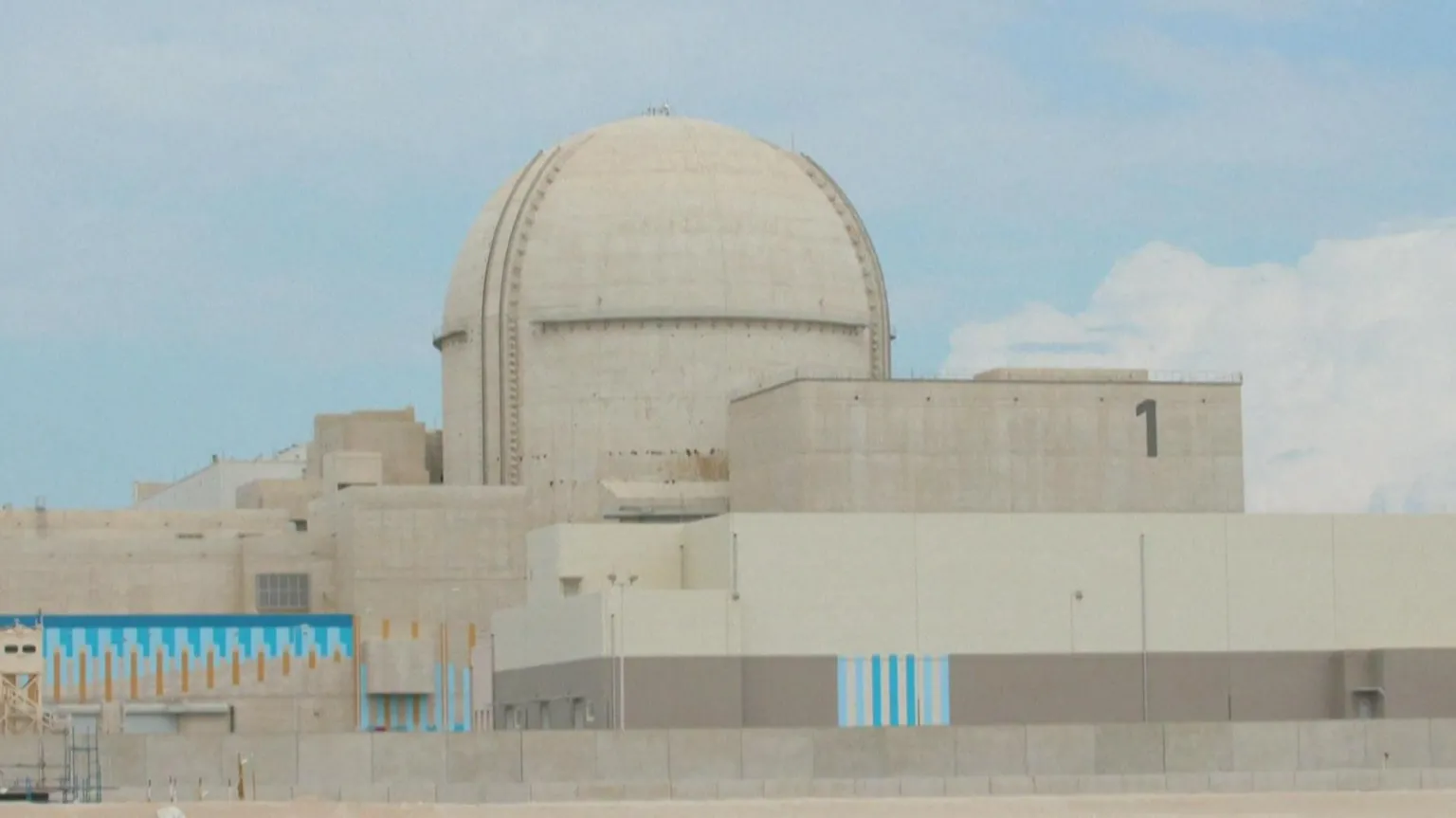
Indeed, at least two versions of Iran’s 10-point plan appear to exist: one in Persian and one in English. The Persian version, publicized by Iran’s Supreme National Security Council, explicitly states that the “US has, in principle, committed to” demands including the “acceptance of enrichment,” signifying Iran’s right to continue uranium enrichment. This crucial phrase, however, is reportedly absent from the English version. Iran consistently frames uranium enrichment as a sovereign right for civilian purposes, while the Trump administration and its ally Israel consider this a non-starter. This contentious issue has historical roots, stemming from the 2015 nuclear deal, which Trump withdrew from in 2018, reimposing sanctions on Iran.
#IranUSCeasefire #IranNuclearDeal #MiddleEastPeace #Diplomacy #UraniumEnrichment #TrumpAdministration #JDVance #IslamabadTalks #Sanctions #StraitOfHormuz



Leave a Reply