

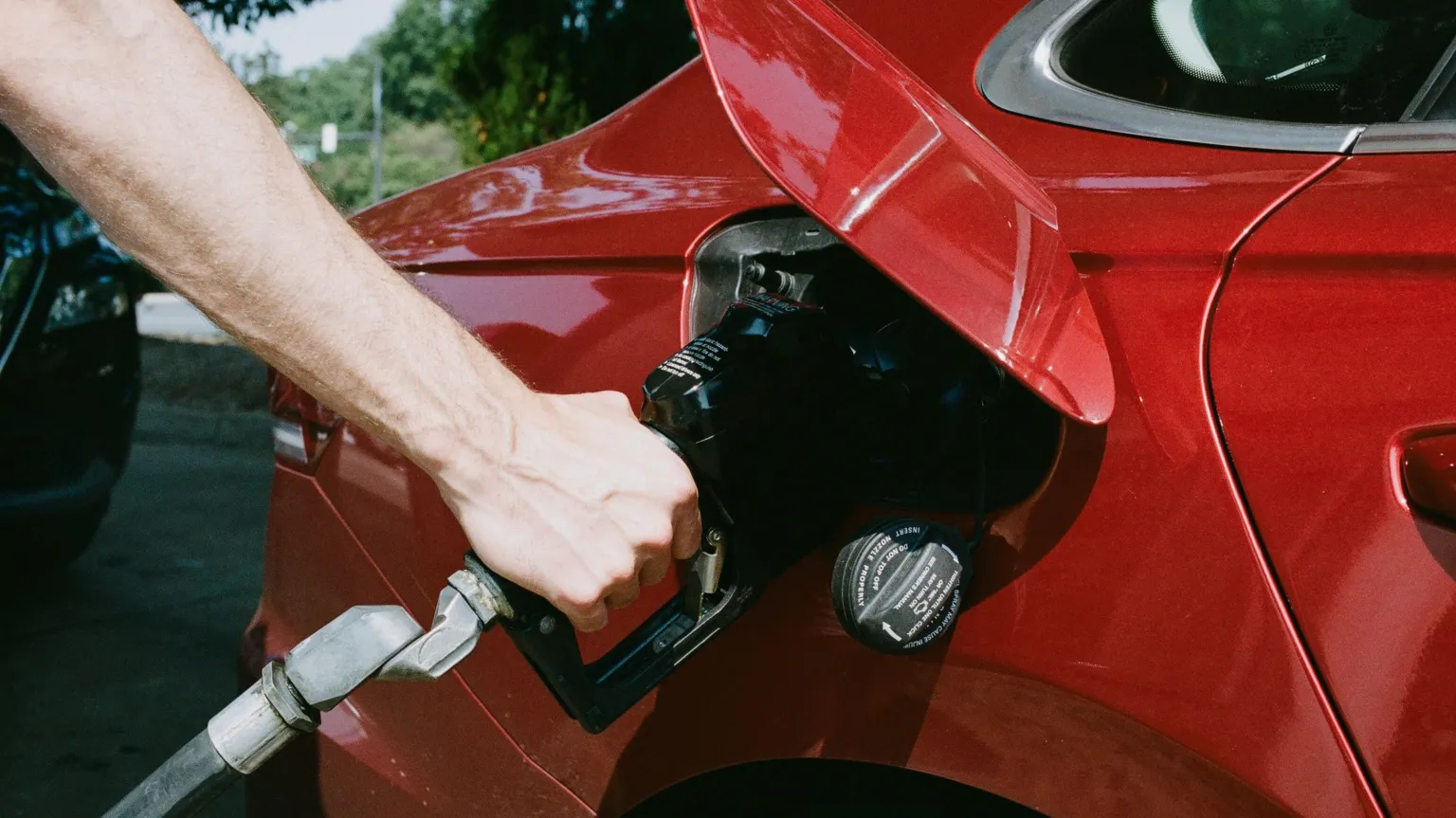
The RAC, a motoring organization, reports that petrol and diesel prices have ceased their 43-day upward trend. A temporary ceasefire in the Gulf region has led to a reduction in crude oil prices from their recent peaks, subsequently lowering wholesale fuel costs. Despite this, prices are significantly higher than pre-war levels. The RAC notes that average petrol prices are now just over 158p per litre, an increase from 133p in late February, while diesel has climbed from 142p to 192p per litre. The motoring group suggests that prices might begin to fall over the coming weeks.
The conflict between the US, Israel, and Iran resulted in the effective closure of the Strait of Hormuz, a vital waterway through which approximately 20% of the world’s oil and liquefied natural gas typically passes, causing global fuel prices to surge. As crude oil is a primary component of petrol and diesel, elevated wholesale costs directly translate to more expensive vehicle refuelling. These recent price hikes have increased the cost of filling a family car with petrol by £14, and a tank of diesel by £27. Nevertheless, current fuel prices are still below the peaks of summer 2022, when petrol hit 191.5p and diesel reached 199p per litre after Russia’s invasion of Ukraine.
Diesel prices have seen a greater increase than petrol, attributed to its more complex refining process, the UK’s reliance on imports for about half its consumption, and high global demand. Simon Williams, the RAC’s head of policy, stated, “Wholesale fuel costs are now significantly lower than they were at the start of the month, so forecourt prices should begin to come down.” He further added, “As things stand, we’d expect petrol and diesel to drop by several pence a litre in the next week or so.” “It will be very interesting to see if this plays out as the data indicates. We hope it does as drivers could do with some relief at the pumps,” he concluded.
The AA, a competing motoring group, suggested that any reduction in fuel prices for motorists would be subject to their geographical location, coining the term “the pump-price postcode lottery.” Edmund King, the AA’s president, explained, “If you live in a town with competitive retailers, you may see some movement. If you live somewhere where they all watch each other to see who budges first, you won’t.” Historically, the motor fuels sector has faced accusations of rapidly increasing prices when oil costs rise, but being slow to reduce them when costs fall. In late 2022, the Competition and Markets Authority (CMA) reported finding evidence of what is known as “rocket and feather” pricing. Since then, the CMA has regularly monitored forecourt prices and announced last month that this scrutiny would be intensified due to escalating energy costs. A new government initiative now allows drivers to compare fuel prices offered by petrol stations throughout the UK.
#FuelPrices #PetrolPrices #DieselPrices #RAC #FuelWatch #CostOfLiving #UKNews #EnergyCrisis #OilPrices #Motorists






Leave a Reply