


The United States military announced its intention to initiate a blockade of all Iranian ports starting Monday at 14:00 GMT. This follows President Donald Trump’s declaration of a naval blockade of the Strait of Hormuz, a critical waterway through which a fifth of the world’s crude oil supply typically transits. This significant escalation comes after long-term peace talks between the US and Iran concluded on Saturday in Islamabad, Pakistan, without an agreement, despite a prior US-Iran ceasefire. Trump’s latest threat has already driven oil prices above $100 a barrel and caused instability in Asian markets, fueling concerns about prolonged disruptions to global energy supplies. Meanwhile, Israeli assaults on Lebanon persist, as the US and Iran appear poised for another confrontation. Here are the key developments on day 45 of the conflict:
In Iran:
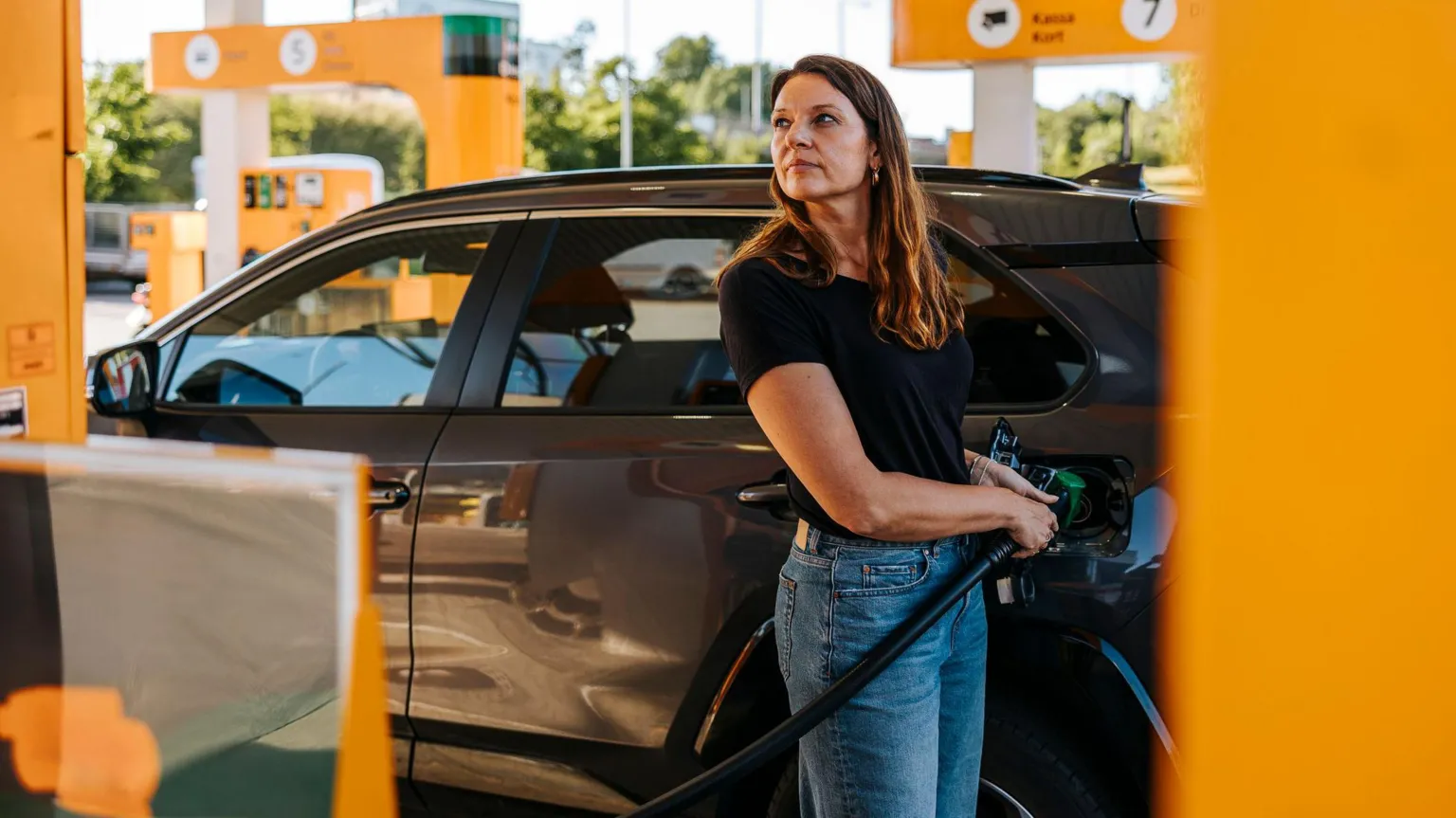
In response to Trump’s Sunday decision to blockade the Strait of Hormuz, Iran’s Islamic Revolutionary Guard Corps (IRGC) issued a stern warning. They stated that any military vessels approaching the strait would be deemed a breach of the ceasefire and would be met with a harsh and decisive response, highlighting the potential for dangerous escalation. The IRGC asserted that Iranian security forces maintain full control over the Strait of Hormuz, cautioning that adversaries making “any wrong move” would find themselves in a “deadly vortex.” Iran’s navy chief, Shahram Irani, dismissed Trump’s threat as “ridiculous and funny,” while state television reported that the military was “monitoring and supervising all the movements of the aggressive American army in the region.” Iranian Foreign Minister Abbas Araghchi expressed frustration, stating that Iran had faced “maximalism, shifting goalposts, and blockade” despite being “just inches away” from an “Islamabad MoU.” He remarked, “Zero lessons learned. Good will begets good will. Enmity begets enmity.” Mohammad Bagher Ghalibaf, Iran’s parliament speaker and lead negotiator in the weekend talks, affirmed that his country would not yield to Trump’s blockade threats. “If they fight, we will fight, and if they come forward with logic, we will deal with logic,” he was quoted by Iranian news agencies. Ghalibaf also took to social media, posting a map of Washington-area gasoline prices with the sarcastic comment: “Enjoy the current pump figures. With the so-called ‘blockade’. Soon you’ll be nostalgic for $4–$5 gas.” Mohsen Rezaee, a member of Iran’s Expediency Council, declared the US plan “doomed to failure,” suggesting Tehran possesses “untapped leverage” to counteract it.
In the US:
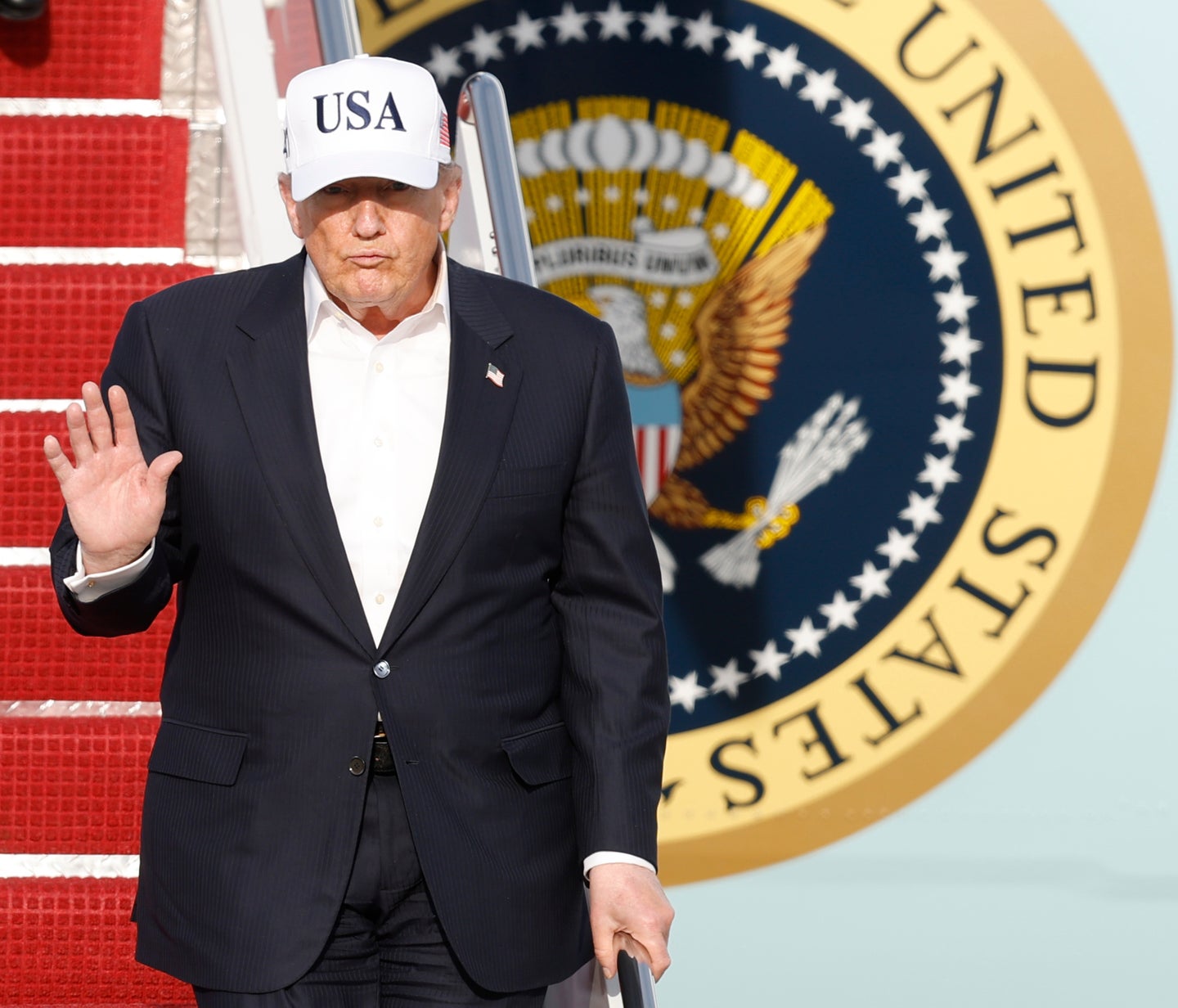
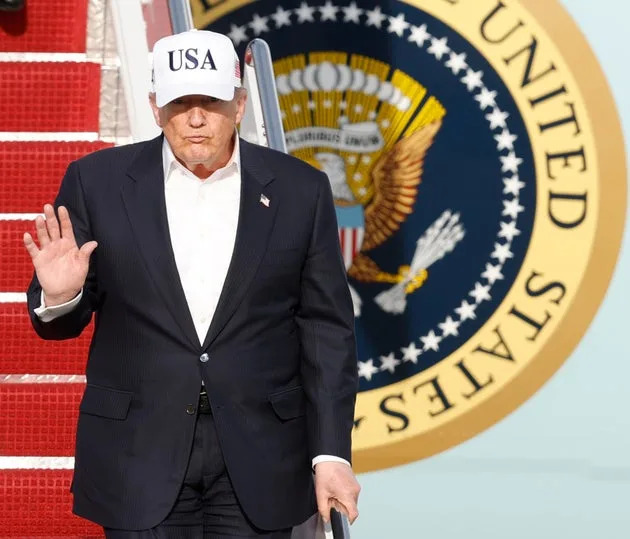
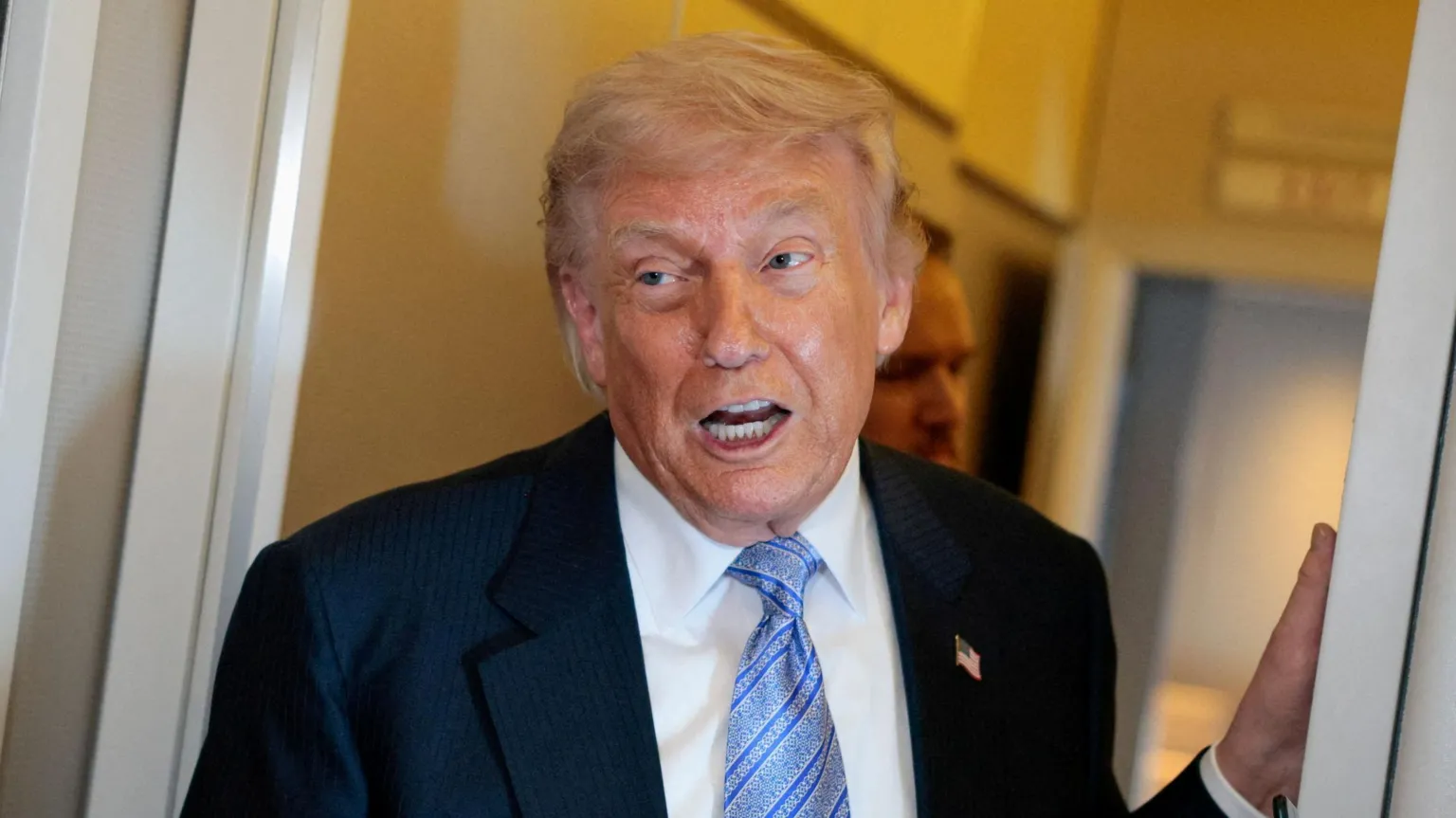
The US military confirmed its plan to blockade all Iranian Gulf ports starting Monday at 14:00 GMT, a move that would effectively grant it control over maritime traffic in the Strait of Hormuz. This waterway is strategically vital, as it is the primary route for nearly all oil and gas exports from Gulf nations. US Central Command stated that its navy would intercept and prevent any vessel, regardless of its origin, from traversing the Strait of Hormuz if its destination or origin is Iran. However, ships transiting the strait to and from non-Iranian ports would not be obstructed. President Trump had announced on Sunday that the US navy would commence the blockade “immediately” following the breakdown of peace talks between the US and Iran. He further declared on social media that US forces would intercept any vessel in international waters that had paid an “illegal toll” to Iran, asserting, “No one who pays an illegal toll will have safe passage on the high seas.” Trump also publicly criticized Pope Leo XIV, labeling him “weak on crime” and “terrible for foreign policy,” after the pontiff called for an end to the conflict with Iran. The US president indicated indifference regarding Iran’s potential return to negotiations, especially after the weekend talks in Pakistan failed to yield an agreement.
In Lebanon:
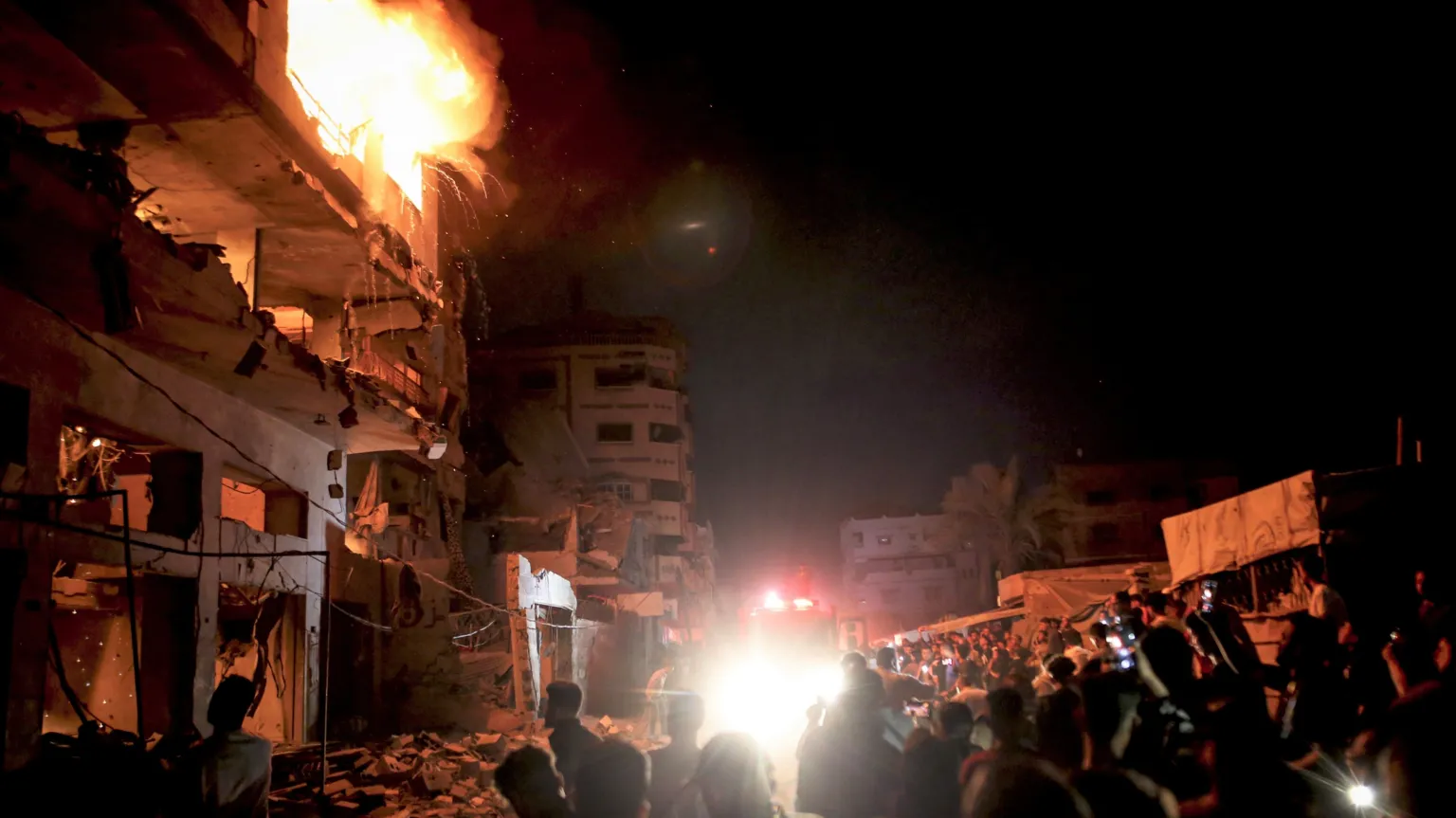
Official Lebanese media reported widespread Israeli strikes across the southern region, with the health ministry confirming at least five new fatalities, bringing the total death toll to 2,055. In Israel, Channel 12 reported that an intruding drone triggered alarms in Metula and its vicinity. The drone was reportedly intercepted, and residents were subsequently advised that it was safe to leave their shelters. Hezbollah claimed responsibility for launching a “rocket barrage” into northern Israel, asserting it was a retaliation for what the Lebanese armed group described as Israeli military violations of the ceasefire agreement and “repeated attacks on the villages of the south.” Hezbollah specified targeting the Israeli town of Kiryat Shmona with rockets at 1:20 AM local time on Monday (23:20 GMT, Sunday) and the settlement of Doviv at 2:45 AM (00:46 GMT). Meanwhile, Israeli forces conducted further raids into southern Lebanon, with Al Jazeera Arabic reporting two Israeli airstrikes near the town of Choukine, and additional air attacks in Nabatieh city and Mayfadoun town. Lebanese Prime Minister Nawaf Salam stated, “We will continue to work to stop this war, to ensure the Israeli withdrawal from all our lands, the return of all the prisoners, to rebuild our destroyed villages and towns, and the safe return of the displaced.” The United Nations Interim Force in Lebanon (UNIFIL) also reported that an Israeli tank twice collided with peacekeeping vehicles in the south, a region where Israel and Hezbollah have been engaged in conflict since last month.
In Israel:
Israeli Prime Minister Benjamin Netanyahu visited troops deployed in southern Lebanon, stating that Israeli forces had successfully neutralized the threat of a Hezbollah invasion. “The war continues, including within the security zone in Lebanon,” Netanyahu declared in a video released by his office. Israel maintains that the existing Middle East ceasefire does not extend to its military operations in Lebanon, which are specifically aimed at Hezbollah.
Strait of Hormuz and global energy crisis:
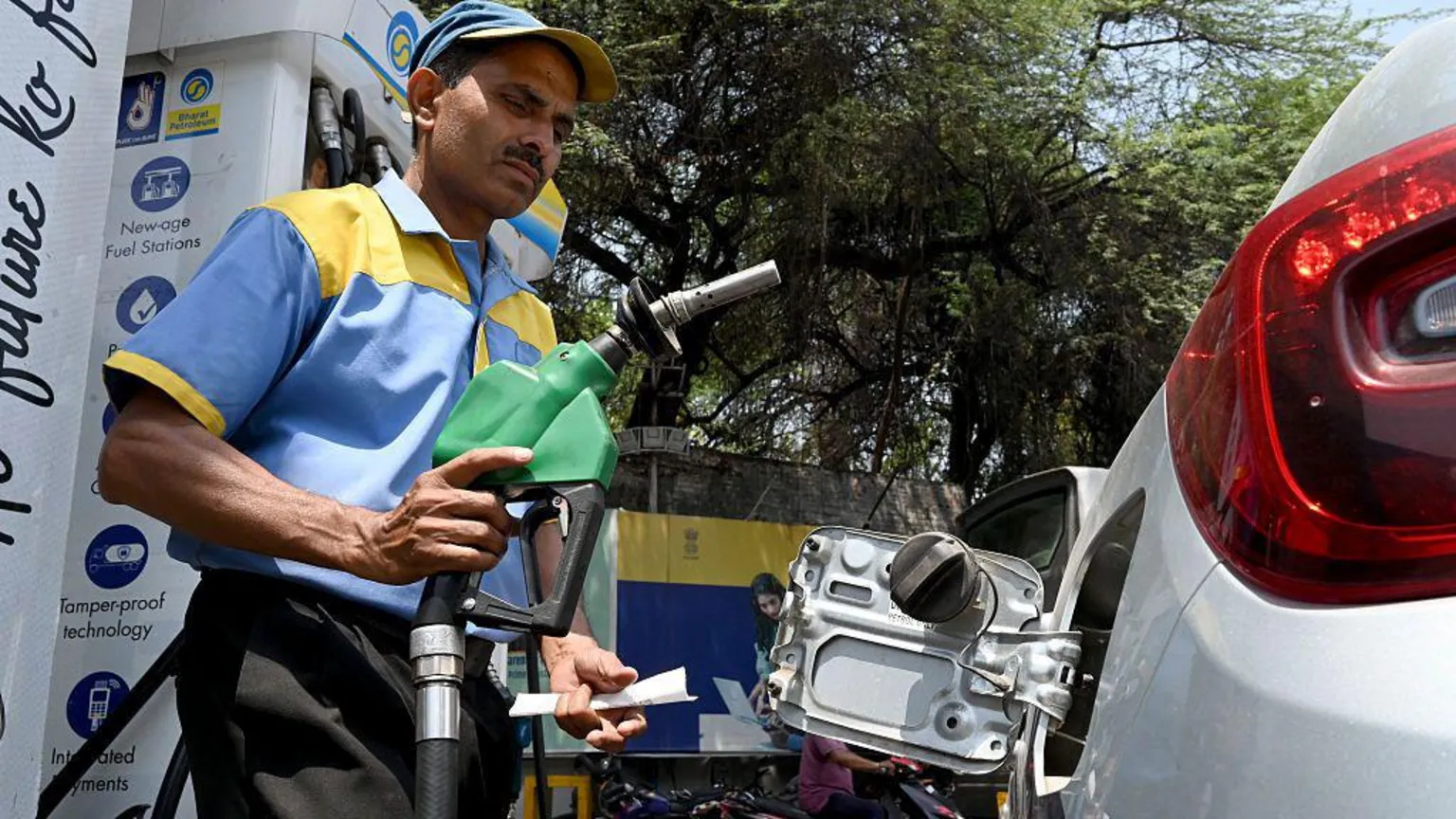
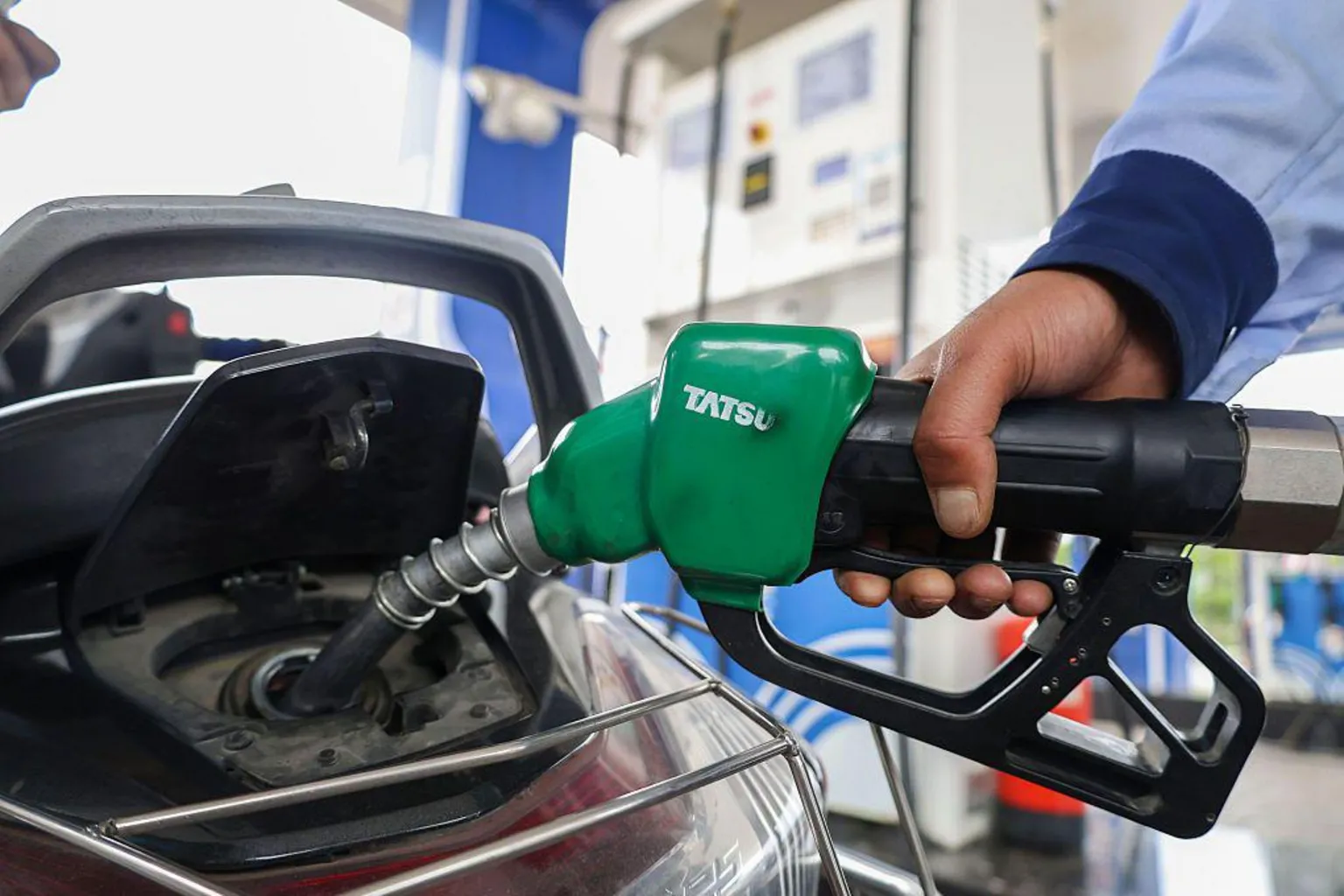
The failure of peace talks and President Trump’s order for a naval blockade of Iranian ports have sent ripples through global markets. Asian stock markets opened lower, and oil prices soared past $100 a barrel. Japan’s Nikkei 225 saw a 0.84 percent decline, with the Topix index falling 0.42 percent. South Korea’s Kospi also dropped by 1.83 percent. According to maritime intelligence firm Lloyd’s List, shipping traffic through the Strait of Hormuz, which was already operating at reduced levels, “immediately halted” following the US president’s blockade announcement, with several vessels reportedly turning back.
#USIranConflict #StraitOfHormuz #OilPrices #MiddleEastCrisis #Geopolitics #IranBlockade #Trump #Hezbollah #IsraelLebanon #GlobalEnergy

Leave a Reply