

Initial Ceasefires and Opportunities
With two ceasefires now established in the Middle East, the stage appears set for potential historic breakthroughs. The ceasefires, one involving Iran and another in Lebanon, are both characterized as “fragile.” However, as the sounds of conflict subside, this period presents both significant opportunities and inherent risks.
Implications for Iran and Regional Players
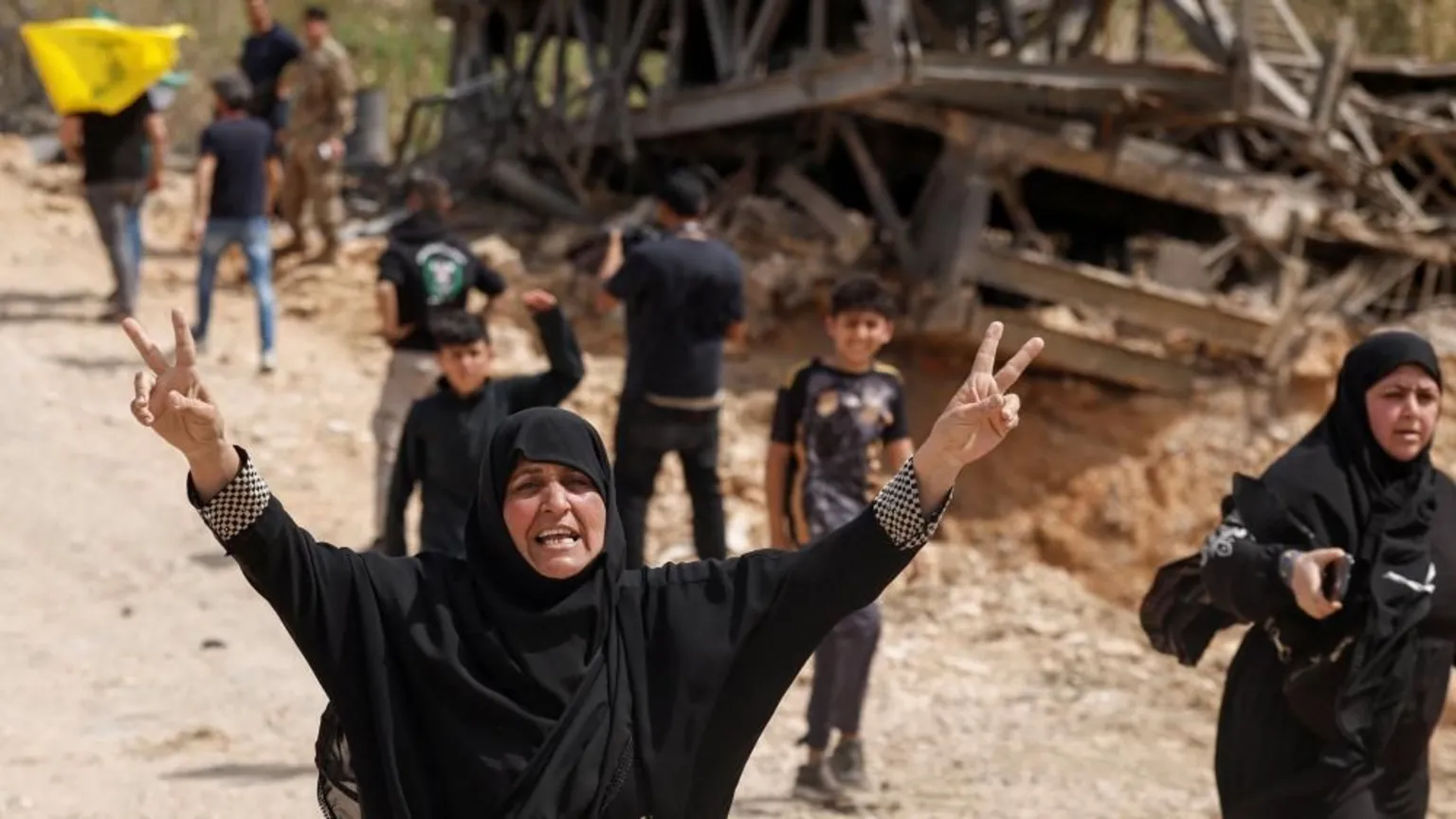
Ostensibly, the recent announcement of a 10-day pause in hostilities between Israel and Hezbollah, a group supported by Iran, is seen as a diplomatic success for Iran. Tehran had previously insisted on a ceasefire in Lebanon, stating that progress in talks with the US would be unlikely without such a pause. Following the implementation of the pause, Iran announced that the Strait of Hormuz is now “completely open.”
The extensive Islamabad negotiating session last weekend demonstrated that progress was achievable even while fighting continued in Lebanon (with Israel reportedly avoiding further attacks on Beirut). Both Iran and Pakistan, however, emphasized the necessity of including Lebanon in the discussions. This inclusion has now occurred, sparking considerable anger among Israelis near the northern border who perceive Prime Minister Benjamin Netanyahu as having yielded to American pressure, rather than ensuring Hezbollah would cease rocket attacks on their nation.
Some in Israel view the ceasefire as advantageous to Iran, potentially allowing a key adversary to influence regional developments. Shirit Avitan Cohen of the prominent right-wing daily Israel Hayom wrote this morning, “The ceasefire effectively legitimizes the connection between Iran and the Lebanese operational theater, a situation Israel had sought to prevent.” She added, “Yesterday, Hezbollah also received final confirmation that its primary supporter, and Lebanon’s, continues to exert significant influence over regional events.”
Indeed, all parties involved in these interconnected conflicts stand to gain from the recent agreement. For US President Donald Trump and Iran’s leadership, it offers an opportunity to claim credit for facilitating a ceasefire. Netanyahu can highlight the continued presence of Israeli troops in southern Lebanon, while the Lebanese government, after months of effort, has now engaged in direct negotiations with Israel. Hezbollah, while stating its adherence to the ceasefire (and maintaining its readiness), has not been defeated and insists it will not be disarmed.
Senior Hezbollah leader Wafiq Safa told the BBC on Thursday, “Discussions about Hezbollah’s weapons are not possible until a proper, real ceasefire is established, alongside an Israeli withdrawal, the return of prisoners, the return of displaced persons, and reconstruction efforts.” Lina Khatib of the London-based think tank Chatham House suggests the ceasefire facilitates continued direct talks between Israel and Lebanon, though she notes the immense obstacles to a lasting peace agreement. “The issue is highly complex,” she states, “involving border demarcation, the disarmament of Hezbollah, and Israel’s withdrawal from Lebanese territory.”
Israel and Lebanon have technically been in a state of war since 1948 and lack formal diplomatic relations. However, Khatib contends that this week’s direct talks in Washington between Israeli and Lebanese ambassadors, rather than bolstering Iran’s regional standing, have initiated a process to reduce Iran’s influence in Lebanon. She adds, “The regional balance of power is evolving, potentially diminishing Iran’s ability to use Lebanon as a bargaining tool.”
Challenges Ahead: Nuclear Program and Hormuz
Nevertheless, much still hinges on the progress of the separate diplomatic process between the US and Iran. Addressing what America and Israel perceive as Iran’s regional activities will be a key agenda item for Washington, should a second anticipated round of talks in Islamabad proceed. For Israel, specifically, it is crucial that Iran’s support for groups like Hezbollah, Hamas, and the Houthis in Yemen is reduced, aiming to alter a dynamic where Iran-backed regional groups have been seen to pose threats. Iran is unlikely to easily relinquish what it considers a vital instrument of its regional influence. However, this represents only one of the significant challenges ahead.
Other critical issues, including the future of Iran’s nuclear program and the status of the Strait of Hormuz, will require extensive negotiation. President Trump, maintaining his characteristic assertive tone, has stated that a deal with Iran is “very close” and that the situation is progressing “swimmingly.” He informed reporters that Iran has reportedly agreed to surrender approximately 440kg (970lb) of highly enriched uranium, which he refers to as “nuclear dust,” believed to be located beneath the debris of a facility in Isfahan bombed last year. Iran has not publicly confirmed this assertion. However, an unnamed official, cited by the judiciary-affiliated Mizan News Agency, stated that “there have never been any negotiations regarding any kind of nuclear materials to America.”
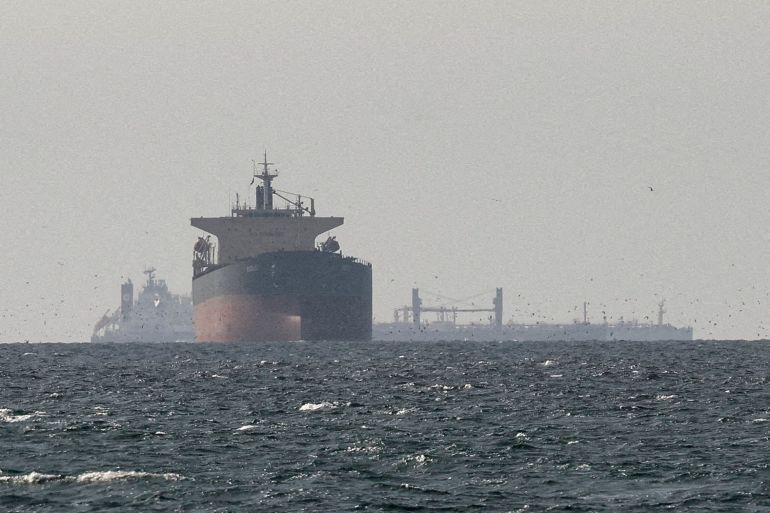
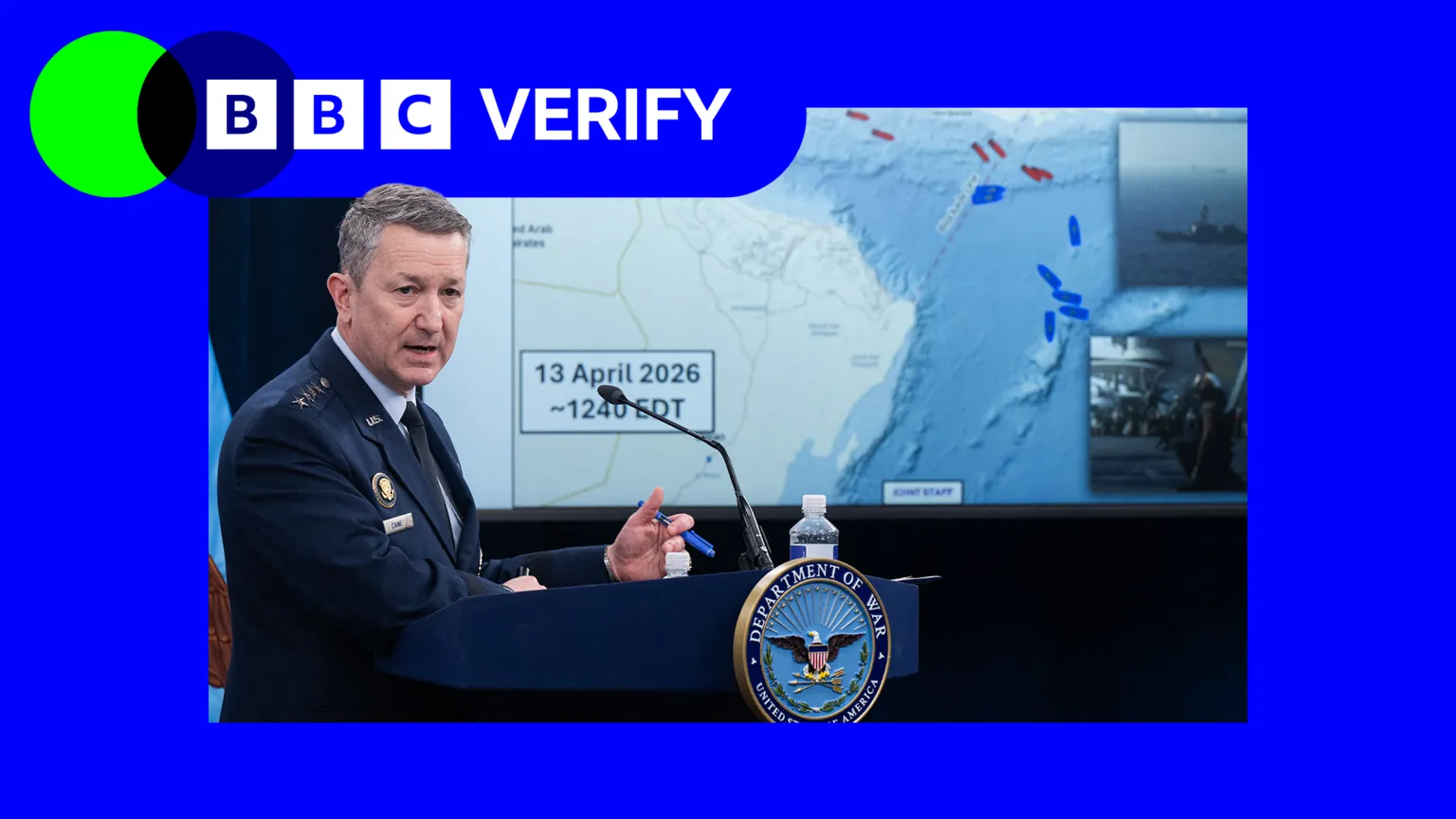
Any agreement concerning the nuclear program would also necessitate a commitment from Iran not to develop nuclear weapons, along with an understanding on the duration of its enrichment suspension. Another significant aspect is Iran’s stance on the Strait of Hormuz, a strategic waterway that has recently been a point of focus. Iran has expressed a desire for a new set of protocols to regulate maritime traffic through the narrow waterway, aiming to replace the current arrangements with a legal framework that acknowledges what it considers its sovereign right, alongside Oman, to manage passage into and out of the Gulf. Meanwhile, Iranian Foreign Minister Abbas Aragchi, while welcoming the ceasefire in Lebanon, stated that the Strait is “completely open for the remaining period of the ceasefire,” effectively for the upcoming week. A condition applies: vessels are expected to utilize what Aragchi termed “the co-ordinated route as already announced by the Ports and Maritime Organisation of the Islamic Republic of Iran.” This likely refers to new routes situated closer to the Iranian mainland, north of the two traffic separation lanes previously in use. The speed at which this alleviates the congestion of vessels within the Gulf remains to be observed.
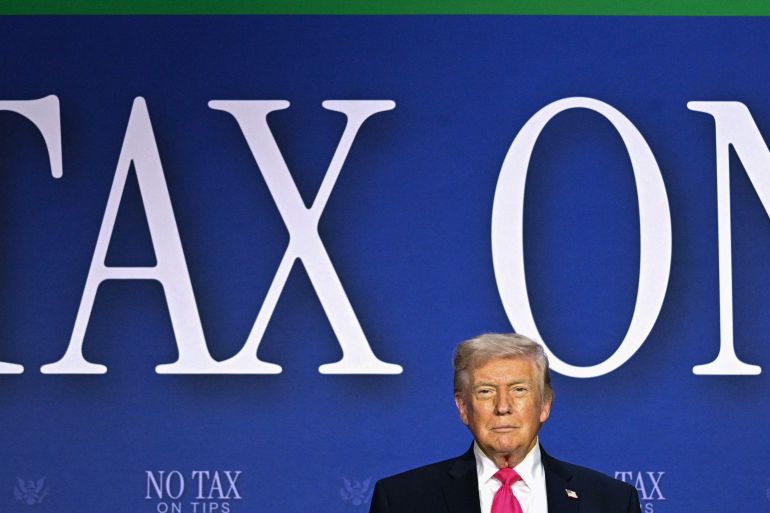
Trump, in his characteristic emphatic style, declared the Strait “FULLY OPEN AND READY FOR FULL PASSAGE,” a statement that appears to have garnered a positive market response. However, maritime captains may remain cautious, and Trump affirmed that the US blockade of Iranian ports remains in place for now.
The Path to Diplomacy
Despite these seemingly positive developments, it is clear that negotiators still have substantial issues to address. The previous significant agreement with Iran, the 2015 Joint Comprehensive Plan of Action (JCPOA), required approximately 20 months of negotiation and focused solely on the nuclear issue. Trump withdrew the US from this deal in 2018, contributing to its eventual collapse. Trump often projects an image of a swift deal-maker, seldom reviewing the actual outcomes of his agreements. Despite the considerable attention surrounding his two summits with North Korean leader Kim Jong Un in 2018-19, those meetings yielded minimal concrete results, with Pyongyang continuing its nuclear program development.
Nevertheless, following the turbulent events of the past six weeks, a diplomatic process is now actively progressing and has likely been bolstered by the ceasefire in Lebanon. Whether this is sufficient to avert a return to conflict remains uncertain, even for President Trump.
#MiddleEastPeace #IranTalks #LebanonCeasefire #StraitOfHormuz #Diplomacy #USIranRelations #Hezbollah #NuclearDeal #RegionalSecurity #InternationalRelations


Leave a Reply