

US Blockade and Trump’s Stance
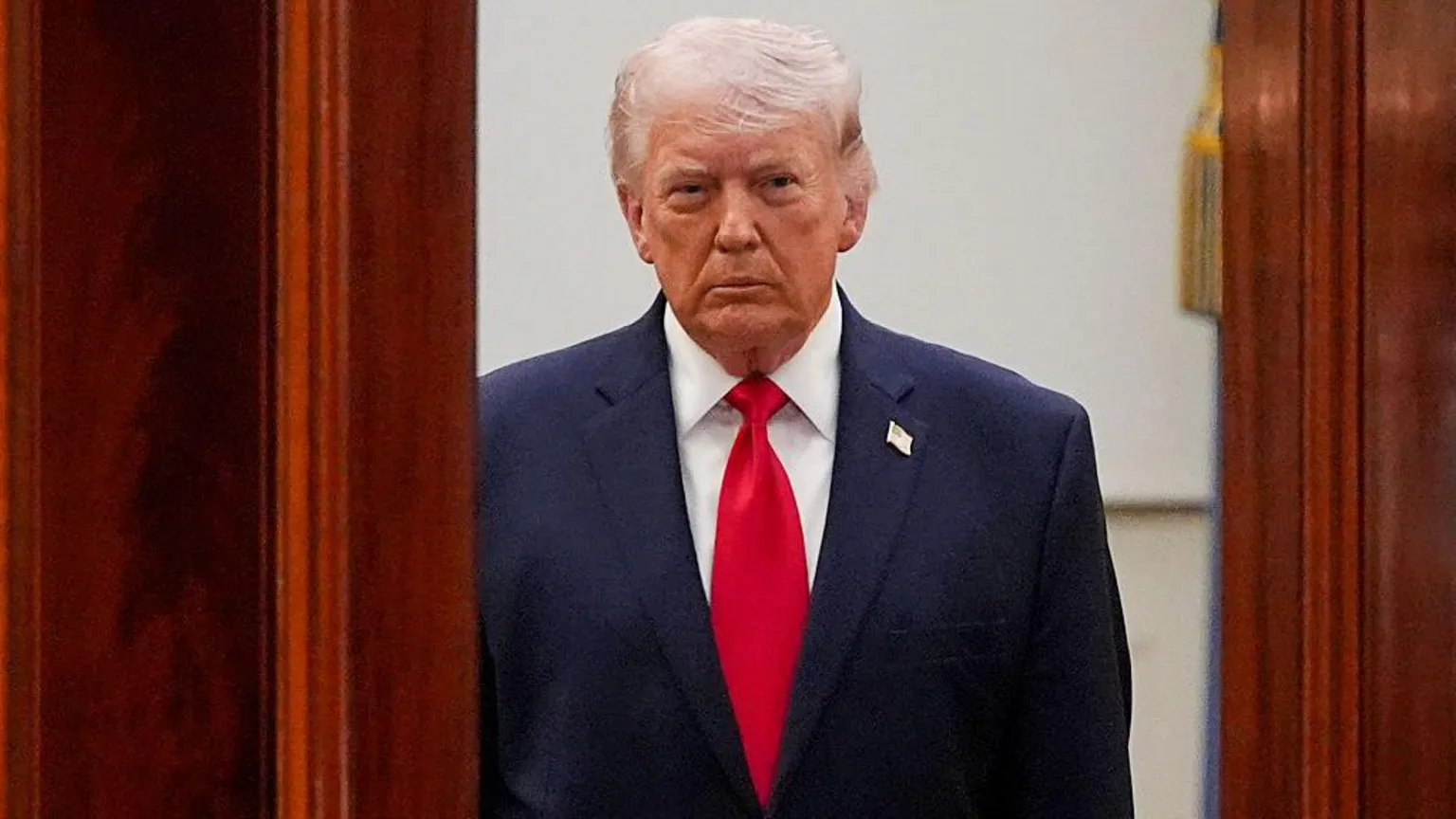
US President Donald Trump has declared that the United States will not lift its blockade on Iranian ports until a comprehensive deal is reached with Tehran. This announcement comes amidst ongoing uncertainty regarding the resumption of peace talks aimed at ending the conflict.
The blockade, which commenced a week ago, is “absolutely destroying Iran,” Trump stated on his social media platform, Truth Social. He further asserted that his country was winning the conflict “by a lot.”
Uncertainty Over Peace Talks
These comments precede the scheduled end of the temporary US-Iran ceasefire on Wednesday, with no firm confirmation yet on whether a second round of peace talks will proceed in Pakistan.
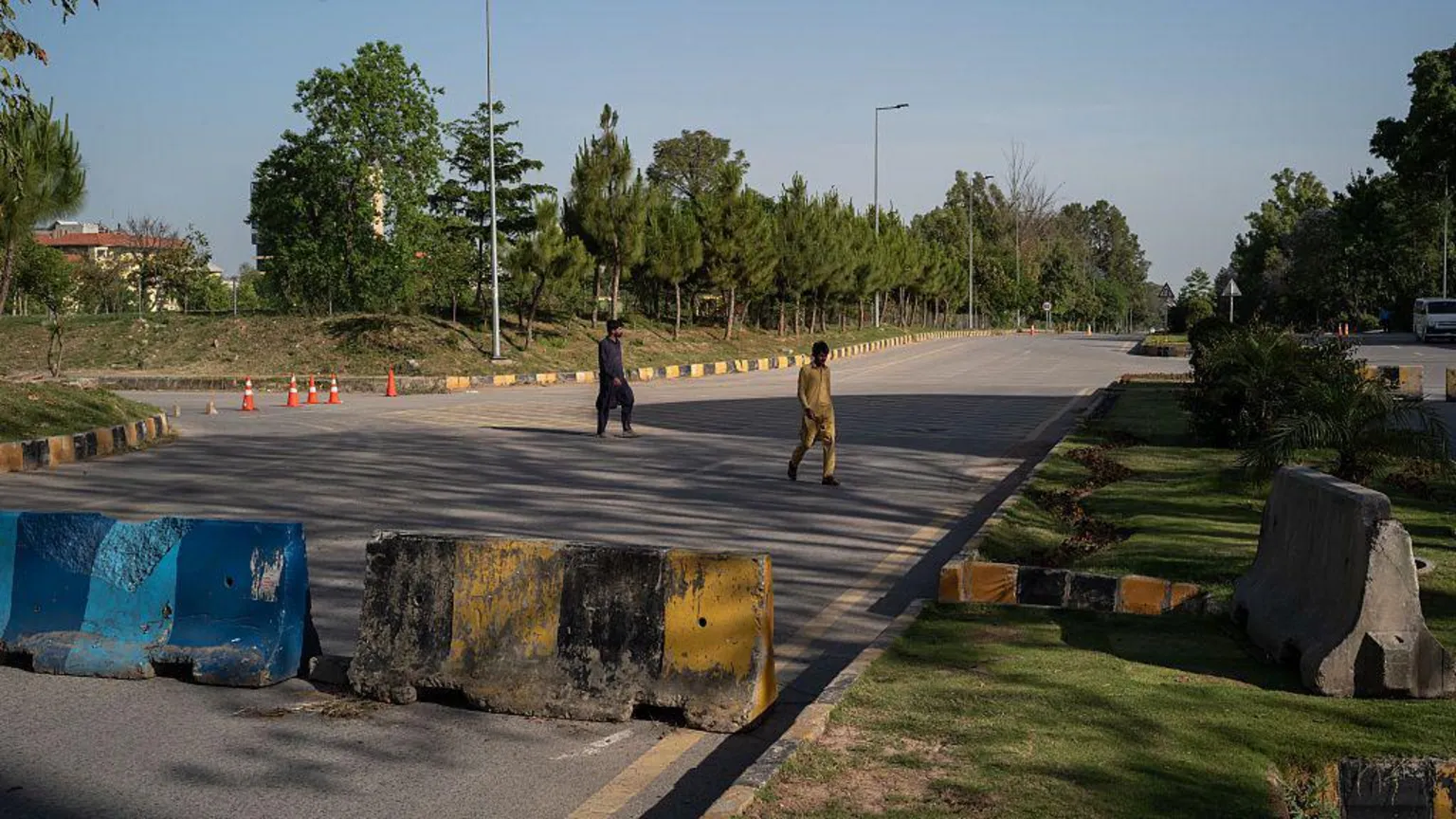
Tightened security measures are in place in Pakistan’s capital in anticipation of a meeting. However, US Vice President JD Vance, slated to lead the US delegation, has not yet departed from Washington, while Iran maintains it has not decided on its attendance.
Impact of the Blockade and Iran’s Response
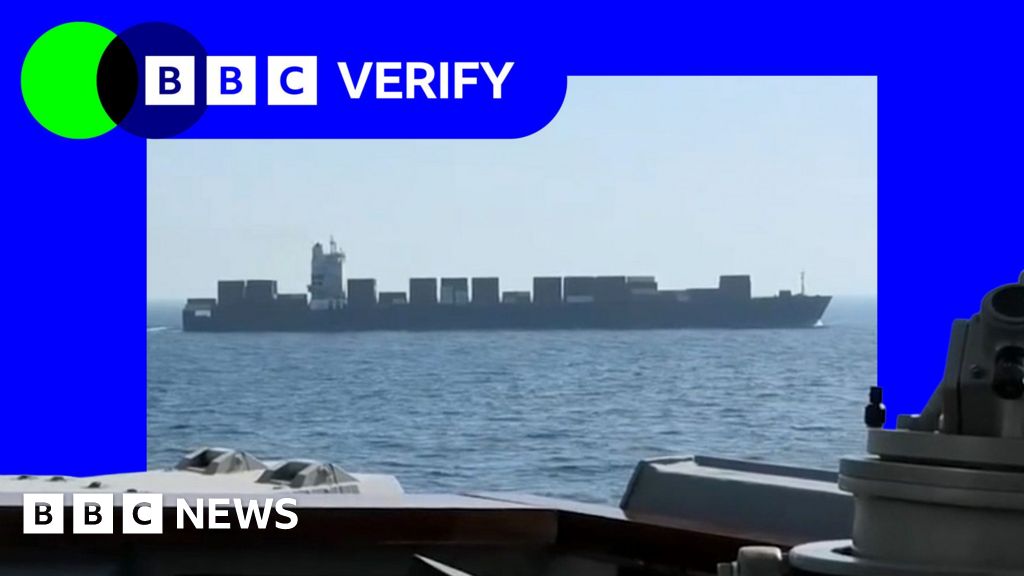
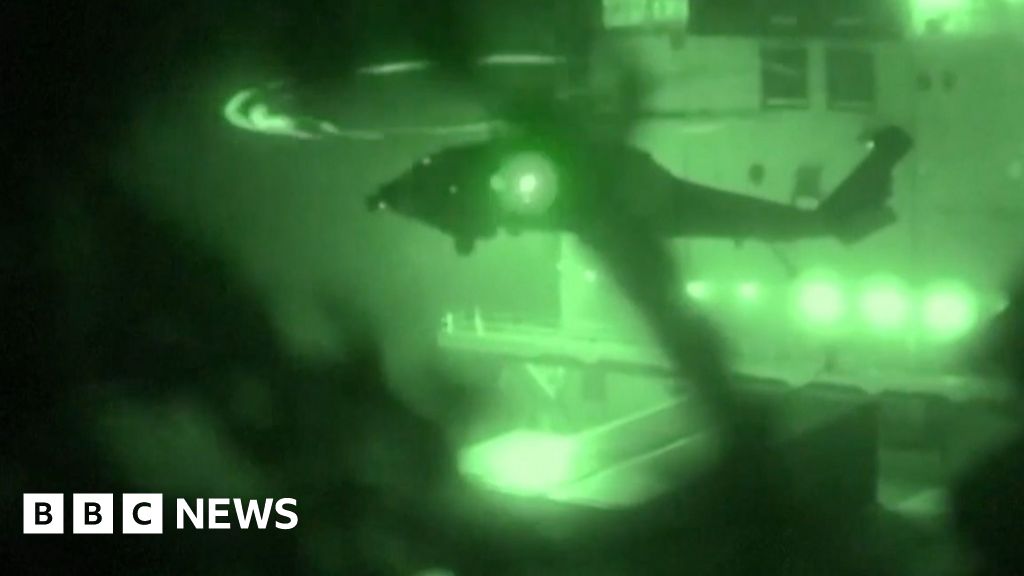
Since the blockade began, US Central Command (Centcom) reports that US forces have directed 27 vessels to turn around or return to an Iranian port. The US also intercepted and seized an Iranian-flagged cargo ship for the first time in the conflict after it attempted to breach the blockade on Sunday. Videos shared by Centcom reportedly show the ship being warned before troops boarded the vessel. Tehran has condemned this action as an “act of piracy” and a violation of the fragile ceasefire between the two nations.
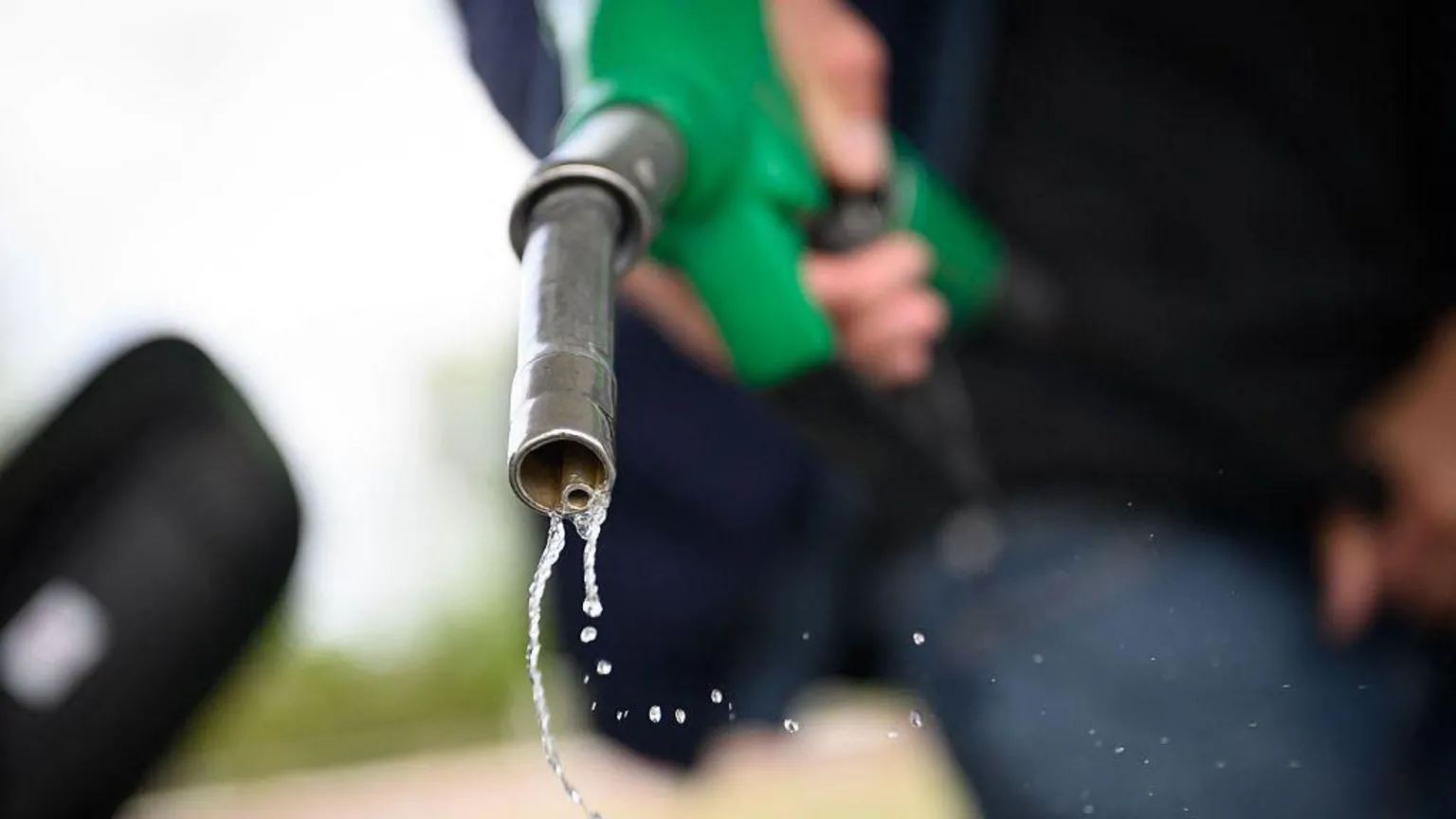
In response, Iran has maintained its own blockade on the Strait of Hormuz, a crucial shipping route, for nearly two months, leading to a significant surge in global energy prices. The Strait was briefly reopened on Saturday but quickly closed again following reports of vessels, including a tanker, being targeted by Tehran in or near the waterway. Trump described Iran’s actions as “firing bullets” and a “total violation” of the ceasefire agreement. Iran, conversely, stated it would keep the route shut until the US ceased its blockade of Iranian ports.
The Strait of Hormuz: A Vital Waterway
The Strait of Hormuz is a narrow stretch of water located between Iran, the United Arab Emirates (UAE), and Oman. This waterway, approximately 21 miles (33 km) at its narrowest point, connects the Persian Gulf to the Gulf of Oman, making it an indispensable global shipping route. Approximately 20% of the world’s oil and liquefied natural gas typically transits through the Strait of Hormuz. This includes oil from Iran, as well as Gulf states such as Iraq, Kuwait, Qatar, Saudi Arabia, and the UAE. In 2025, an estimated 20 million barrels of oil passed through the waterway daily, according to the US Energy Information Administration (EIA), representing nearly $600 billion (£447 billion) worth of energy trade annually. Sea traffic has been substantially reduced since the conflict began.
Latest on Peace Talks
Despite Tehran’s refusal to confirm whether it will send a delegation, there are indications that a second round of peace talks between the US and Iran will proceed. Following the initial round of talks earlier this month, US Vice President J D Vance stated that the US “could not get to a situation where the Iranians were willing to accept our terms.” Iran’s foreign ministry, in turn, urged Washington to refrain from “excessive demands and unlawful requests.”
The potential second round arrives at a critical juncture. Sources informed the BBC on Monday afternoon that the US delegation would be departing “soon,” though without specifying a time, while officials told the New York Times that their departure was scheduled for Tuesday. Later on Monday, an Iranian foreign ministry spokesperson indicated that, “so far,” Tehran had “no plans” to attend. Vance is expected to be joined by special envoy Steve Witkoff and Trump’s son-in-law and adviser, Jared Kushner, mirroring the previous round of discussions. It remains unclear who, if anyone, will represent Iran.
However, in Islamabad, preparations for the talks are evident. Guests at the city’s Serena Hotel, the venue for the previous round, have been asked to vacate in anticipation of meetings, and police have announced the closure of key roads due to the expected arrival of foreign delegations. A senior government official told Reuters news agency that Pakistan is confident it can persuade Iran to attend the talks. Lyse Doucet, the BBC’s Chief International Correspondent in Tehran, speaking to Radio 4’s PM programme, suggested that despite the unpredictable situation, there is a stronger likelihood of the talks occurring. She noted that “one rule in diplomacy [which] is, you don’t want to be the one blamed for something breaking down.” Doucet added, “If JD Vance is going to be in Islamabad, it will be really hard for the Iranians to not show up.” She concluded that Pakistan is likely working diligently to ensure both sides attend, as the venue and security are ready, awaiting only the arrival of the teams.
#USIranRelations #HormuzBlockade #PeaceTalks #DonaldTrump #StraitOfHormuz #Geopolitics #EnergySecurity #MiddleEast #Diplomacy #IranDeal

Leave a Reply