


Global Oil Markets React to Ceasefire Extension
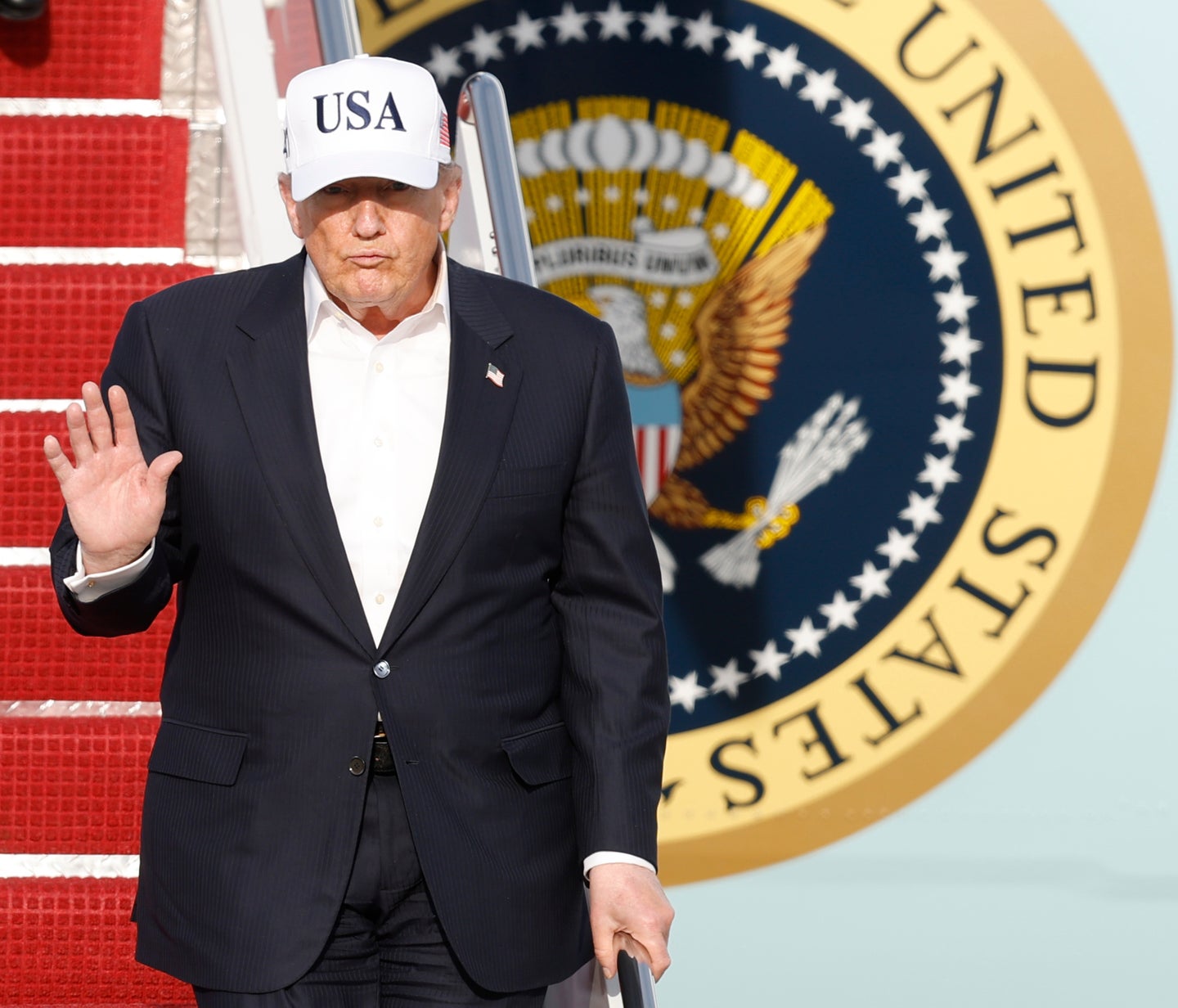
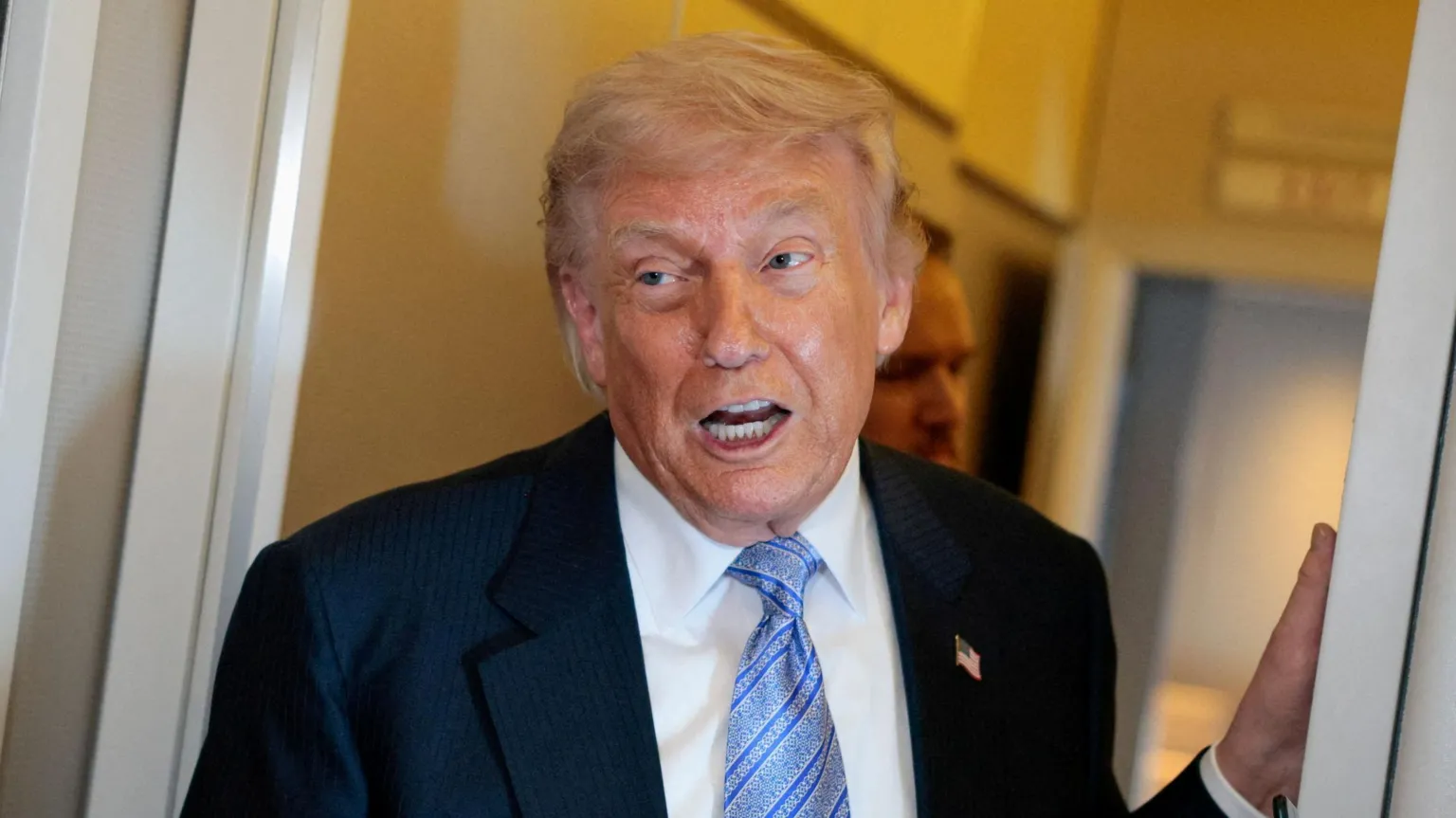
Global oil prices saw a decline in Asian markets on Wednesday following an announcement by US President Donald Trump. President Trump stated his intention to extend a ceasefire with Iran, contingent on the progress of ongoing peace talks between the two nations. He further indicated that the United States would maintain its blockade of Iranian ports until Tehran presents a “unified proposal.”
Market Performance
After an initial rise, Brent crude experienced a 0.8% dip, settling at $97.60 (£72.14) per barrel. Similarly, West Texas Intermediate (WTI) fell by 1%, reaching $88.70. Energy markets have been notably volatile since the US and Israel engaged Iran on February 28, a situation that prompted Tehran to issue threats concerning vessels in the critical Strait of Hormuz waterway.
Diplomatic Developments and Uncertainties
The initial two-week ceasefire was scheduled to conclude on Wednesday evening, Washington time. President Trump did not specify a new deadline for this extension. On Truth Social, President Trump commented that the Iranian government has been “seriously fractured.” He added that the US would refrain from launching new attacks after Pakistan requested additional time for Tehran to agree on a deal.
Vice President JD Vance, who is leading the US negotiations, was anticipated to travel to Islamabad, Pakistan, for talks on Tuesday. However, the White House has since confirmed that he will no longer be making the trip. Furthermore, a foreign ministry spokesperson informed the BBC that Iran has not yet decided whether to dispatch a delegation to Pakistan for discussions with the US.
Expert Insights and Strategic Importance
Traders remain cautious regarding the future trajectory of the conflict, according to Associate Professor Jiajia Yang from Australia’s James Cook University. Yang emphasized, “This is less about barrels [of oil] and more about expectations.” The cost of crude oil has significantly increased since the conflict began, largely due to the effective closure of the Strait of Hormuz by Iran, a passage through which approximately one-fifth of the world’s energy typically transits. Earlier this month, the US also announced its intention to intercept ships traveling to or from Iranian ports.
#OilPrices #IranCeasefire #GlobalMarkets #EnergySecurity #StraitOfHormuz #USDiplomacy #MiddleEastConflict #BrentCrude #WTI #PeaceTalks






Leave a Reply