

The UK inflation rate rose by 3.3% in the year to March, after the US-Israel war with Iran caused the largest jump in petrol and diesel prices in over three years.
The increase in the pace of price rises – up from 3% in the year to February – was in line with economists’ expectations.
The rise was “largely due to increased fuel prices”, while air fares also contributed, the Office for National Statistics (ONS) said.
The figures provide the first official look at the impact of the Middle East conflict on the cost of living in the UK.
Wholesale energy prices have soared since the war began on 28 February, with the production and transportation of energy across the Middle East slowing or stopping entirely due to missile strikes and drone attacks.
Inflation is now expected to be higher this year and higher energy costs could also slow down the economy as people and businesses will have less money to spend.
Inflation could peak around 3.5% to 4% this year, experts have predicted. This would be much lower than the double-digit rates seen early on in the war in Ukraine in 2022.
The ONS collected its March data in the middle of the month, a few weeks into the war.
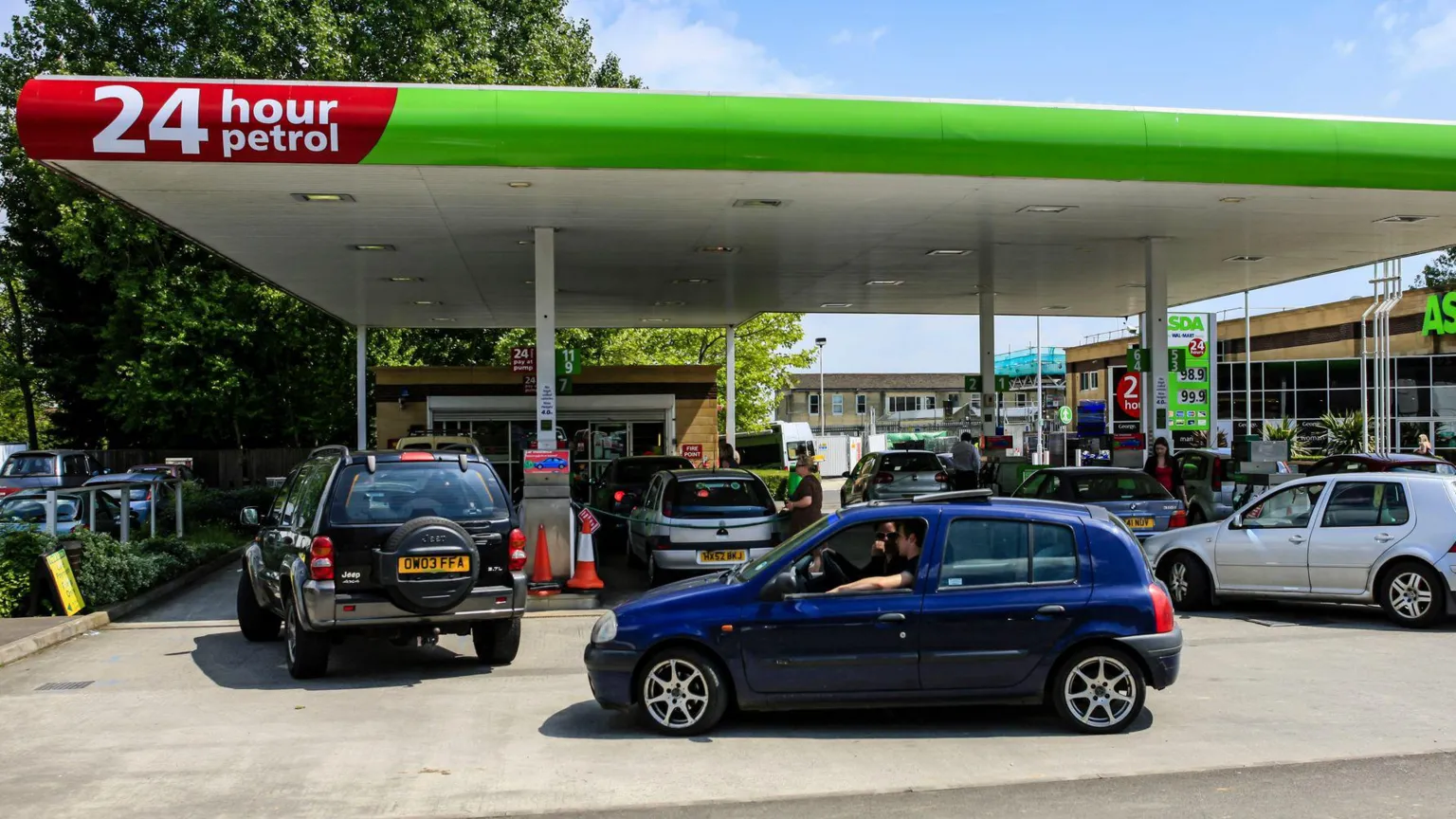
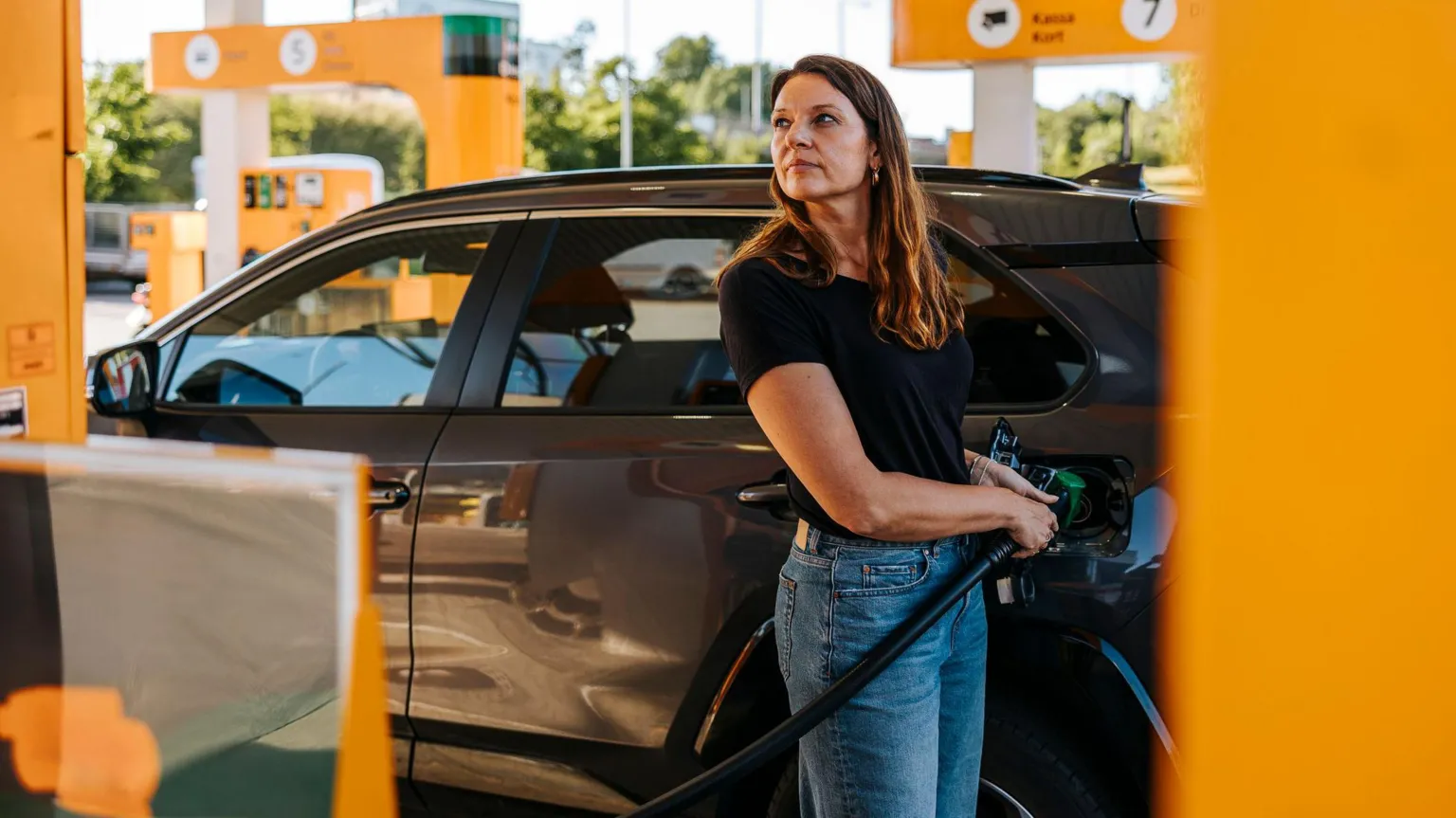
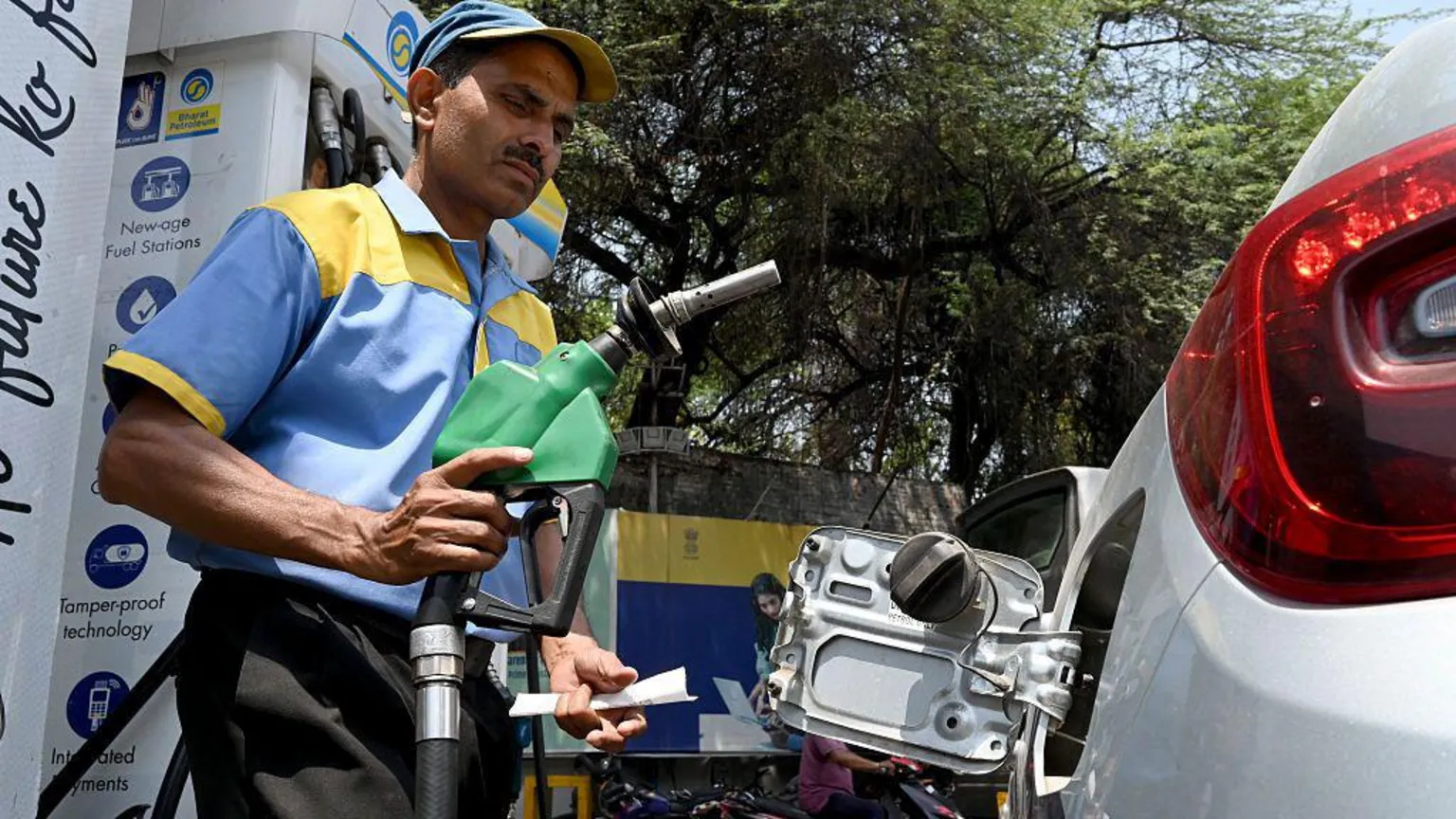
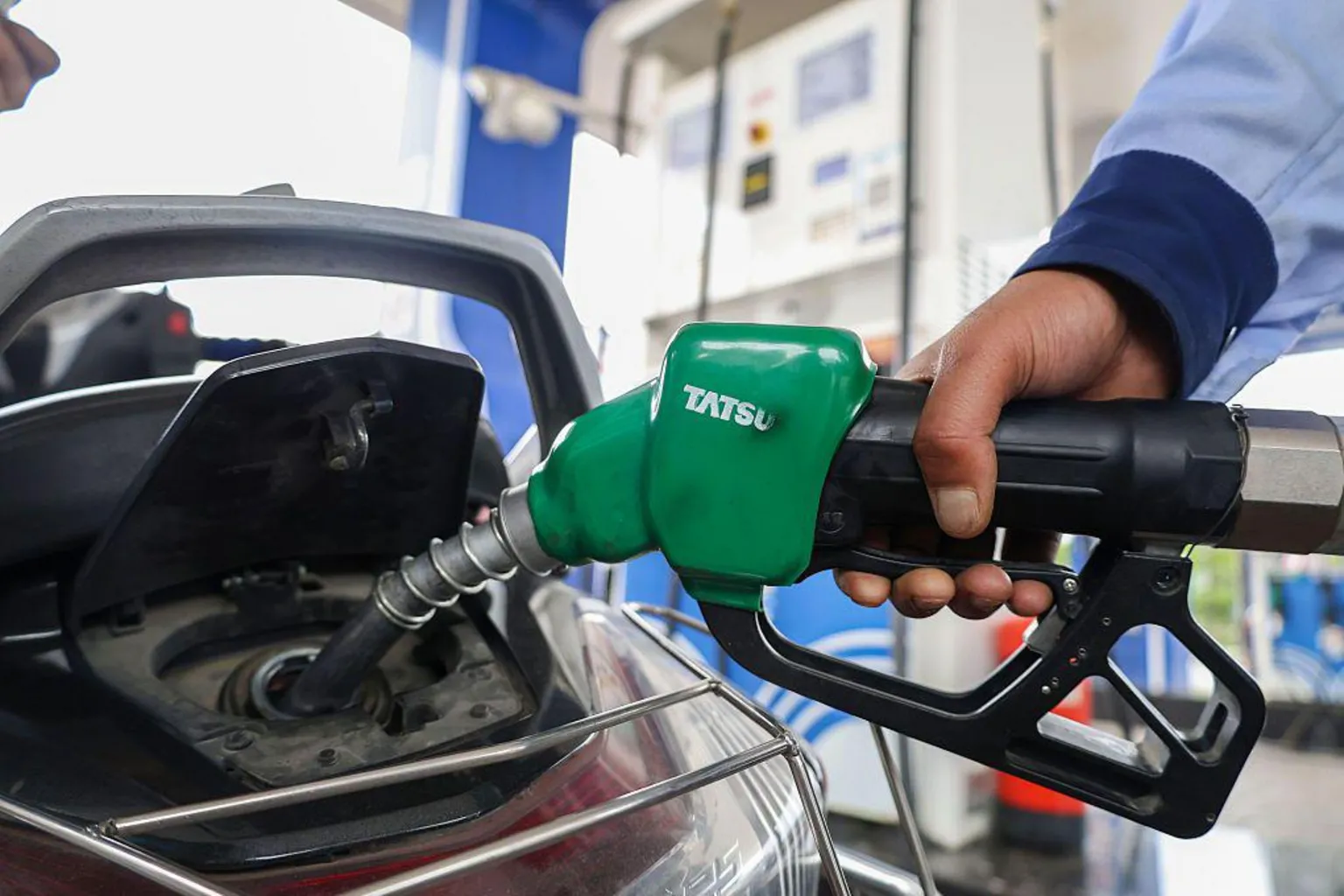
Motor fuel increased by 8.7% month-on-month, the largest increase since June 2022, shortly after the Russian invasion of Ukraine.
Over the year to March, fuel prices rose by 4.9%. This was the highest rise since January 2023.
In addition to fuel, ONS Chief Economist Grant Fitzner said airfares and rising food prices also played a part, while “the only significant offset came from clothing costs, where prices rose by less than this time last year”.
“The monthly cost of both raw materials for businesses and goods leaving factories rose substantially, driven by higher crude oil and petrol prices,” he added.
Two lines show the price of diesel and unleaded petrol since 2022. The lines start at under £1.40 a litre in late 2021 and rise sharply in March 2022 to £1.65 and £1.77 following Russia’s invasion of Ukraine. They peak in July 2022 at £1.91 for unleaded and £1.99 for diesel before generally trending down. At the end of February 2026, as the US and Israel attacked Iran, they were at £1.33 for unleaded and £1.42 for diesel and have since risen to £1.57 for unleaded and £1.90 for diesel as at 22 April 2026.
Chancellor Rachel Reeves said: “This is not our war, but it is pushing up bills for families and businesses. That’s why it’s my number one priority to keep costs down.”
“Our economic plan is the right one and has put us in a stronger position to support families in the face of this new crisis.”
She added that the government would “protect people from unfair price rises if they occur to bring down food prices at the till”, and was boosting long-term energy security.
Shadow chancellor Sir Mel Stride said the war was causing higher inflation “but Labour’s choices have made everything worse and made our economy vulnerable”.
“Tax hikes, reckless spending and disastrous energy policies have left Britain exposed,” he said, calling for the government to cut the benefits bill, lower taxes, and for new North Sea drilling.
#UKInflation #CostOfLivingCrisis #FuelPrices #MiddleEastConflict #EnergyCosts #EconomicImpact #ONSReport #PetrolPrices #DieselPrices #GlobalEconomy
UK inflation rises after Iran war pushes up fuel prices



Leave a Reply