

Tensions continue to escalate around the Strait of Hormuz as Iranian officials dispute claims made by US President Donald Trump regarding the progress of negotiations. Despite Trump’s assertion that no “sticking points” remain for a deal, he maintains that the blockade will persist until an agreement is “100 percent complete.” On Saturday, Iran temporarily closed the Strait of Hormuz, demanding the US lift its port blockade, just hours after Trump expressed optimism about a potential deal with Tehran. The Strait had been briefly reopened earlier that day under specific conditions, aligning with the Lebanon ceasefire and established maritime routes. Here’s a summary of the latest developments:
Developments in Iran
- Enriched Uranium Stance: Iran’s foreign ministry has firmly stated that its enriched uranium stockpile will not be transferred “anywhere,” directly refuting President Trump’s claims that Tehran had agreed to hand it over.
- Hormuz Transit Fees: While Iran will not impose “traditional” transit fees in the Strait of Hormuz, a new law is being drafted to charge ship owners for “securing the strait,” as confirmed by security committee spokesman Ebrahim Rezaei. He added that vessels would require prior coordination with Iranian authorities, with hostile military ships, particularly those from the US and Israel, being entirely prohibited.
Diplomatic Efforts and Regional Responses
- Lebanon-Israel Agreements: Lebanese President Joseph Aoun indicated that Lebanon is approaching a “new phase” of enduring agreements following the ceasefire, asserting that the nation is no longer “an arena for others’ wars.”
- Multinational Hormuz Mission: British Prime Minister Keir Starmer announced that France and Britain would spearhead a multinational initiative to ensure freedom of navigation in the Strait of Hormuz “as soon as conditions allow.”
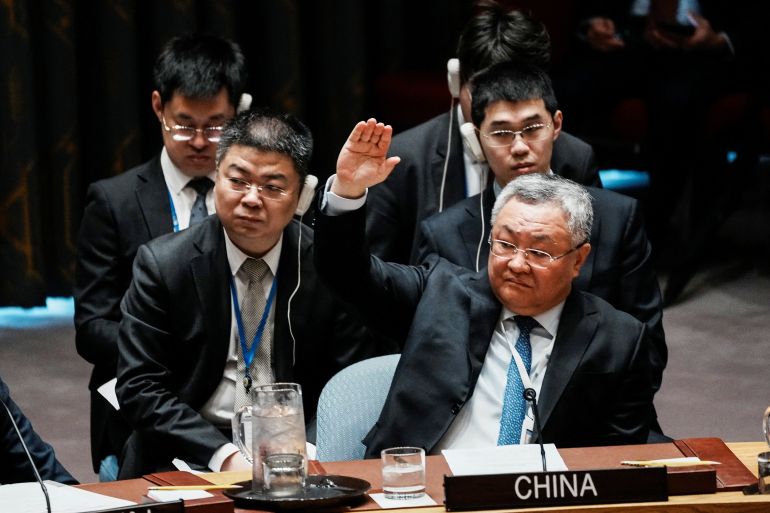
- Potential China Visit: President Trump mentioned that Chinese President Xi Jinping supports the reopening of Hormuz and hinted at a “potentially historic” visit to China.
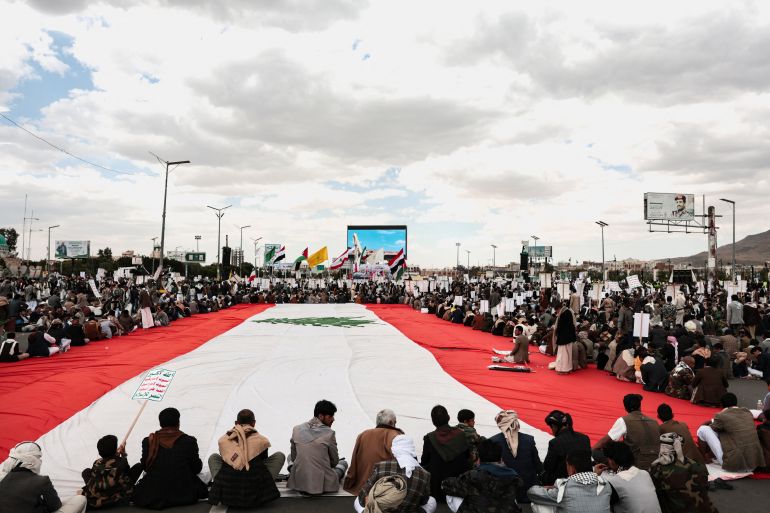
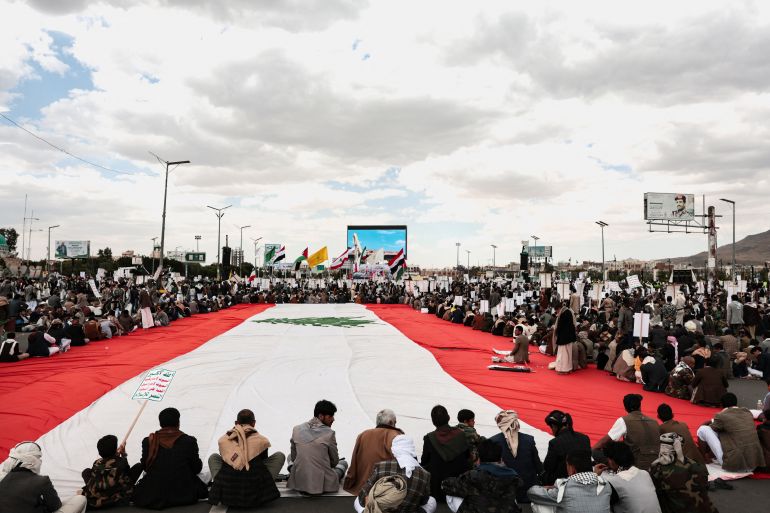
- Houthi Solidarity with Lebanon: In Yemen, Houthi supporters in Sanaa rallied in solidarity with Lebanon. The Iran-aligned Houthi movement, which controls northern Yemen, has issued warnings about potentially joining the conflict if necessary.
Situation in the Gulf
- Fragile Economic Recovery: Saudi Finance Minister Mohammed Al-Jadaan welcomed the reopening of the Strait of Hormuz by Iran but cautioned that the overall situation remains fragile. He noted that while some countries could quickly resume production, others might require more time depending on the extent of any damage.
United States Perspectives
- Russian Oil Waiver Extension: The US Treasury has extended a waiver until May 16, permitting countries to purchase sanctioned Russian oil at sea, a measure aimed at stabilizing global supply amidst war-related disruptions.
- Continued Iran Port Blockade: The US naval blockade on Iranian ports remains in effect, with US Central Command (CENTCOM) reporting that 21 vessels have complied with orders to divert from these ports.
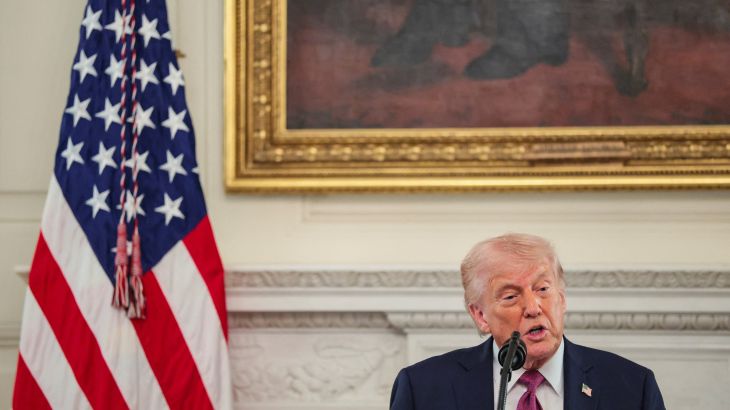
- Trump on Iran Talks: President Trump stated that negotiations are “going very well” but issued a warning that the ceasefire might not be extended without a comprehensive deal. He also reiterated claims that Tehran might hand over enriched uranium, a claim Iran continues to deny.
- Rejection of NATO Assistance: President Trump rejected NATO’s offer to assist in the Strait of Hormuz, referring to the alliance as a “paper tiger” and instructing it to “stay away.”
Israel’s Stance
- US Prohibition on Lebanon Strikes: President Trump declared that the US has prohibited Israel from continuing attacks on Lebanon, stating, “enough is enough.”
- Netanyahu on Hezbollah Campaign: Israeli Prime Minister Benjamin Netanyahu cautioned that the campaign against Hezbollah was not concluded, emphasizing, “We have not yet finished the job,” and identifying the “dismantling of Hezbollah” as a key objective.
Situation in Lebanon
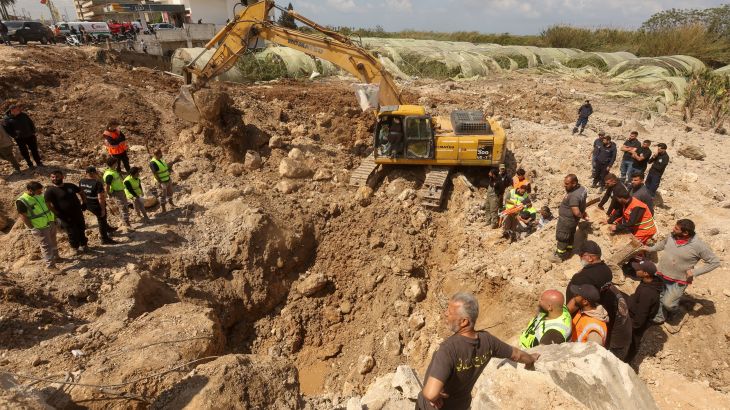
- Ceasefire Violation Reported: Lebanese state media reported that one person was killed in the south by an Israeli attack on a motorcycle, despite the commencement of a 10-day ceasefire.
- Casualties in Lebanon: Lebanon’s health ministry stated that Israeli attacks on Lebanon have resulted in nearly 2,300 deaths since March 2, as reported on the first day of the Israel-Hezbollah ceasefire.
- Conflict Analysis: Analyst Rami Khouri described the conflict as reflecting resistance by Iran-aligned groups against decades of Western influence, with southern Lebanon being a central point. He suggested that Israel’s pursuit of a “security zone” has been stalled by Hezbollah and Iran, potentially moving the conflict from military escalation towards negotiations.
Global Economic Impact
- Market Reactions: Following Iran’s announcement of the Strait of Hormuz reopening, Wall Street achieved record highs on Friday. This development led to a significant drop in oil prices, with Brent Crude falling from a peak of nearly $120 a barrel to $90.38.
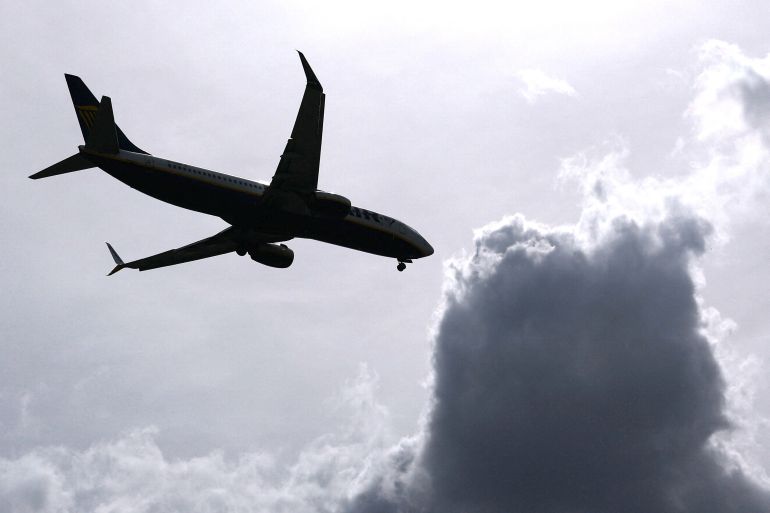
- Boeing’s Performance: The conflict has reportedly bolstered Boeing’s defense sector, without negatively impacting deliveries to airline clients who are currently contending with elevated jet fuel prices, according to the company’s CEO.
#IranConflict #StraitOfHormuz #USIranTensions #MiddleEastCrisis #Geopolitics #OilPrices #LebanonCeasefire #GlobalSecurity #Diplomacy #RegionalStability


Leave a Reply