

Ceasefire Holds Amidst Strait of Hormuz Tensions
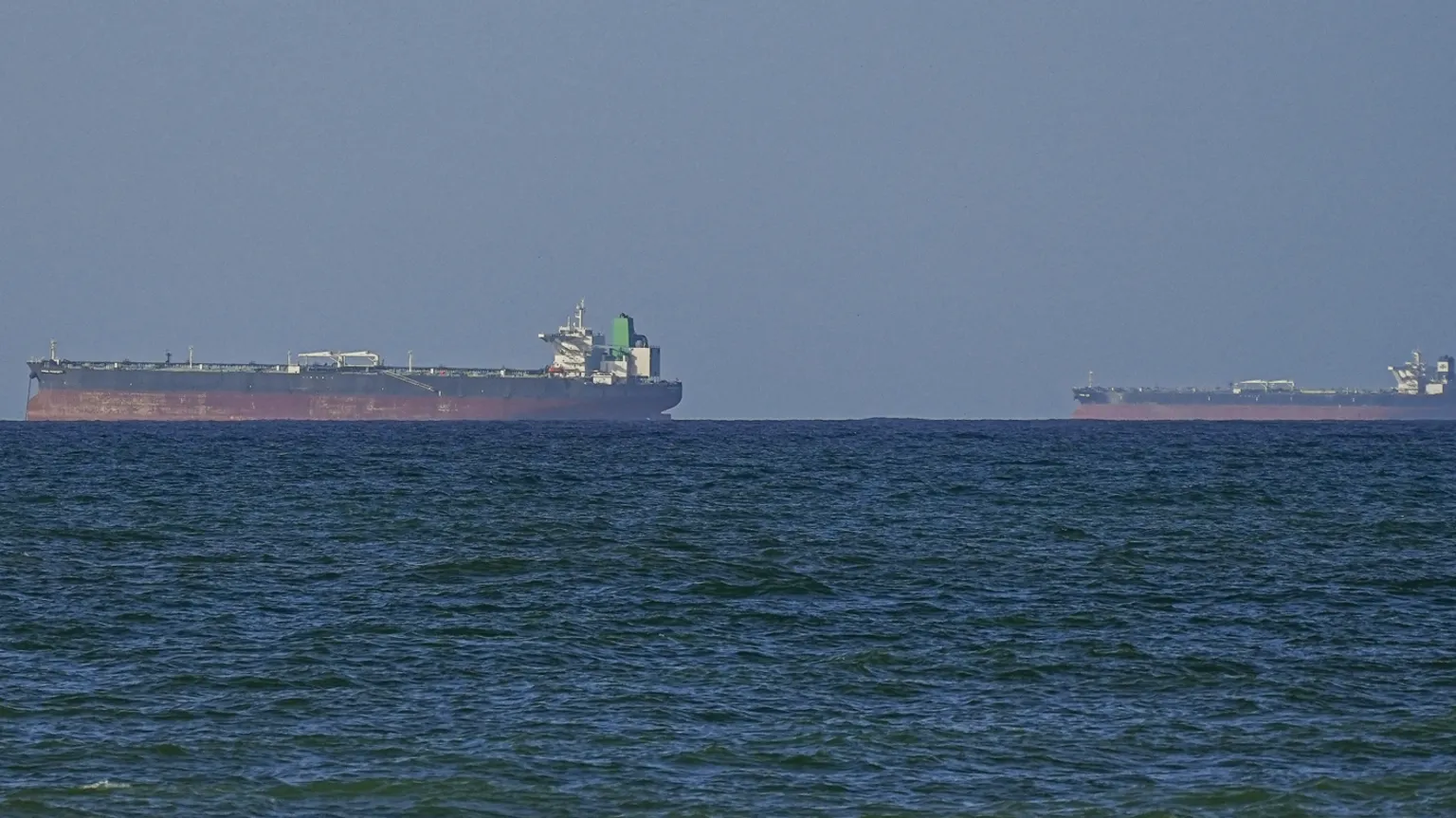
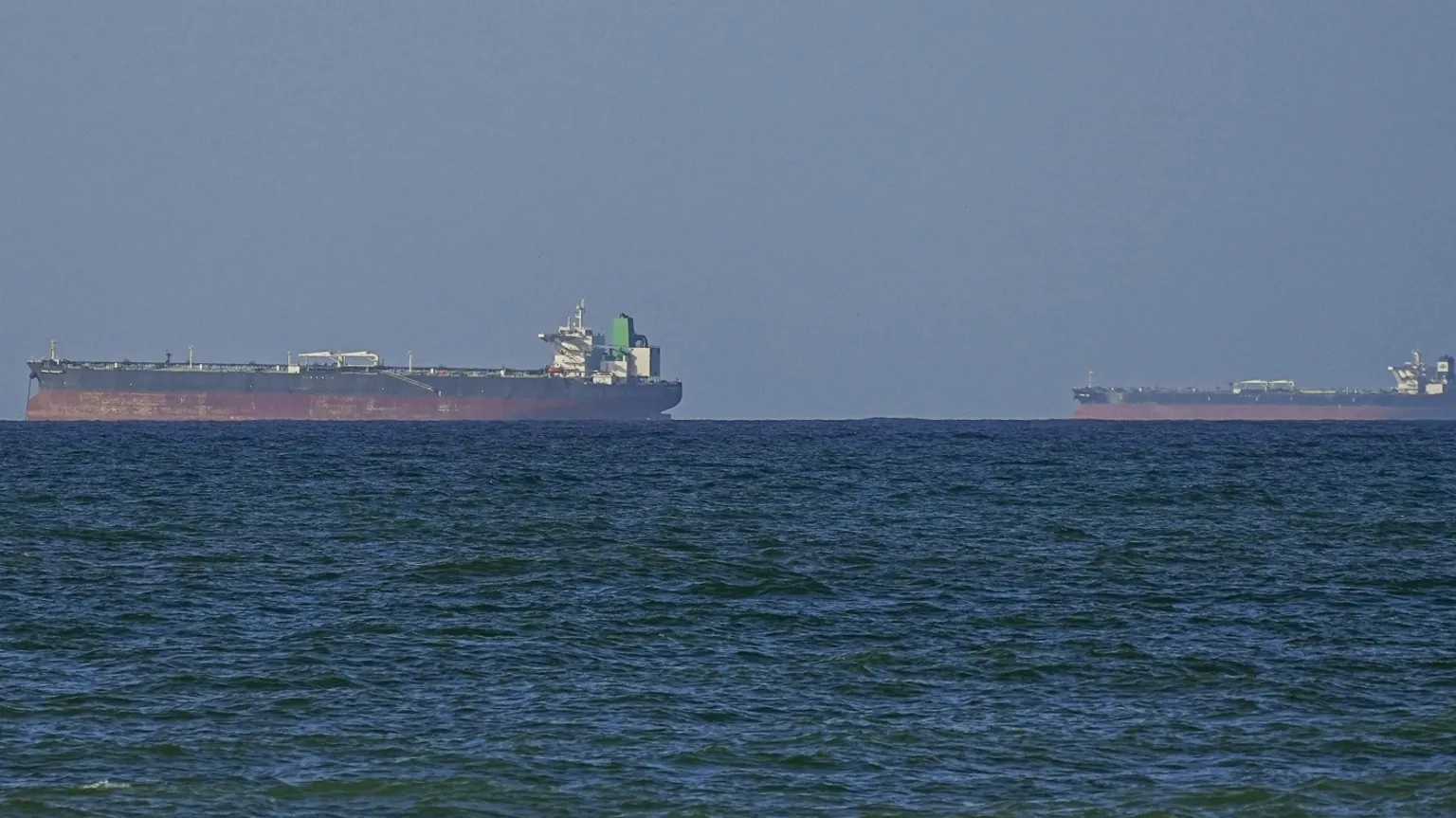
Following a recent announcement by US President Donald Trump on Truth Social, the ceasefire between Iran, the US, and Israel, which was initially set to expire on Wednesday, appears to be holding. However, the region is now experiencing a “war of blockades” in the vital Strait of Hormuz, with both sides reportedly intercepting and seizing commercial vessels. The atmosphere in one of the world’s most crucial waterways remains highly volatile.
Pakistan’s Diplomatic Push Faces Delays
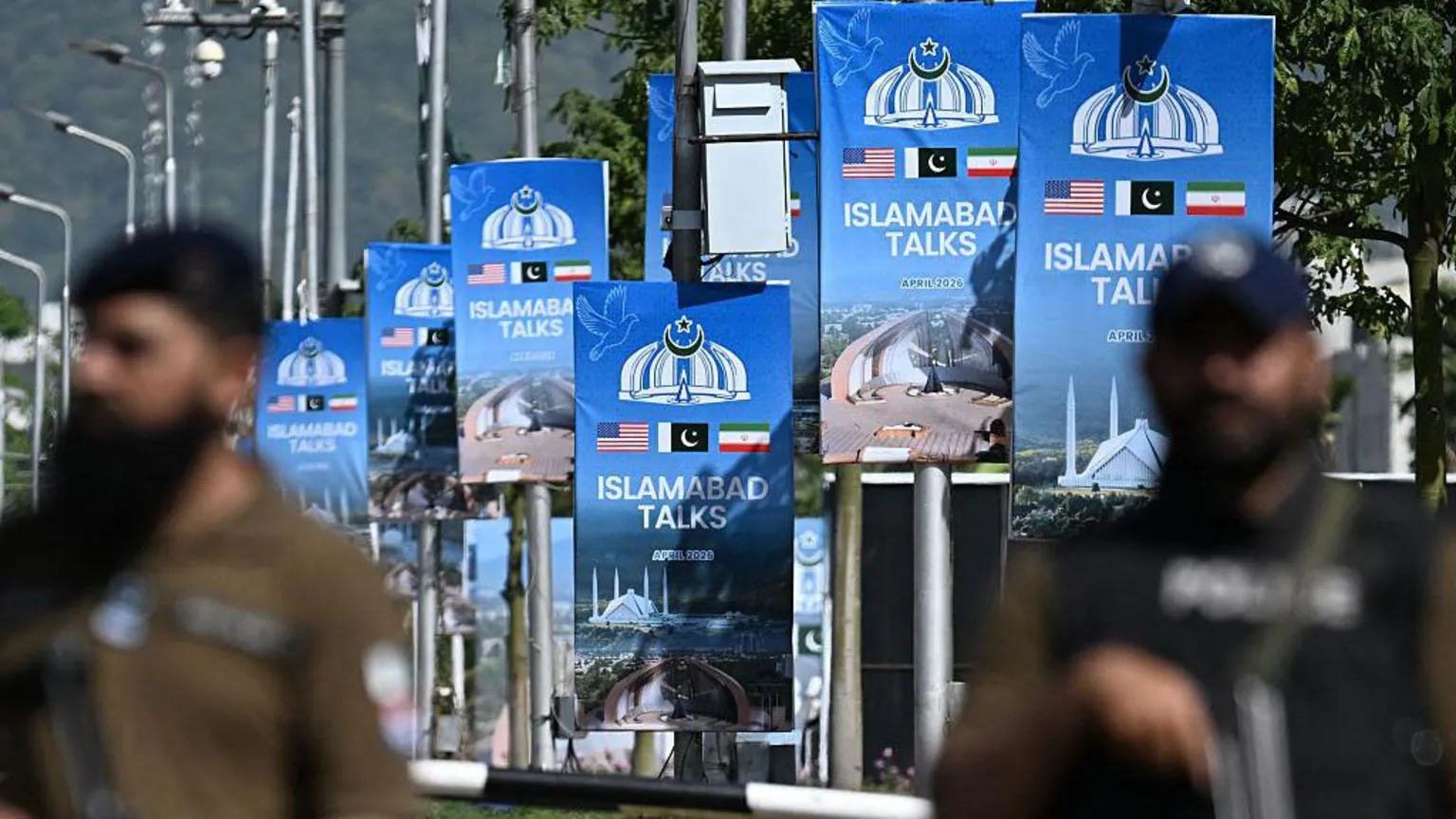
In the midst of these tensions, Islamabad continues to await the arrival of Iranian and American representatives for proposed peace talks. While parts of the city were sealed off and preparations made, the hotel designated for the discussions remains empty, ready for the hoped-for return of high-level delegations. After several days of intense anticipation, the mood has shifted, with early hopes of a swift resolution giving way to a more somber realization.
The initial buzz about press pools heading to the airport and speculation surrounding the contents of C-17 Globemaster transport planes that landed at a nearby military airbase has subsided. There is a growing concern that an opportunity for Pakistan to demonstrate its diplomatic prowess on the international stage, by brokering a deal between the parties, may be slipping away, at least for now.
Despite the setbacks, Pakistan remains committed to its efforts. Prime Minister Shehbaz Sharif, who has invested significant diplomatic capital in bringing the two sides together, affirmed on social media that Pakistan would “continue its earnest efforts for negotiated settlement of the conflict.”
Conflicting Signals and Diplomatic Hurdles
US President Donald Trump has reportedly indicated to at least one journalist that a deal is still possible within the coming days. This statement comes amidst speculation about his desire to address the Iran situation before King Charles’s state visit to Washington next Monday and his own anticipated visit to China shortly thereafter.
Iran, however, has dismissed the president’s suggestion that he was granting Tehran time to formulate a “unified position.” Nevertheless, it appears unlikely that the Iranian leadership, already affected by the conflict, would choose to break the ceasefire and risk further aerial engagement.
Questions persist regarding the Iranian delegation’s apparent reluctance to travel to Islamabad for the talks.
The Strategic Importance of the Strait of Hormuz
The Strait of Hormuz is a narrow body of water situated between Iran, the United Arab Emirates (UAE), and Oman. At its narrowest point, it is approximately 21 miles (33 km) wide, connecting the Persian Gulf to the Gulf of Oman. This makes it an indispensable global shipping route.
Historically, about 20% of the world’s oil and liquefied natural gas (LNG) transits through the Strait of Hormuz. This includes oil not only from Iran but also from Gulf states such as Iraq, Kuwait, Qatar, Saudi Arabia, and the UAE. In 2025, an estimated 20 million barrels of oil passed through the waterway daily, according to the US Energy Information Administration (EIA), representing nearly $600 billion (£447 billion) in energy trade annually. However, sea traffic has been significantly reduced since the conflict began.
Accusations and Complex Diplomacy
Iran has accused the US of a “breach of commitments” and has pointed to what it describes as Washington’s “contradictory behavior.” Donald Trump’s public pronouncements, which have ranged from threats of severe punishment to offers of an olive branch, while simultaneously claiming significant Iranian concessions, have further complicated the diplomatic landscape.
Iran also reiterates its complaint that it has engaged in negotiations twice in the past year, only to face attacks from Israel and the United States.
In his Truth Social post announcing the ceasefire extension, President Trump, in a departure from his usual rhetoric, spoke of an Iranian leadership that is “seriously fractured, not unexpectedly.” This statement has led some observers to ponder whether Washington is grappling with understanding its counterparts in Iran. The notion of a “regime fracture” could potentially make the already intricate art of diplomacy with Iran even more challenging.
Deliberately or not, the president’s choice of words has briefly entered a debate among seasoned Iran watchers: who is truly in charge in Iran now that significant figures from the former leadership are no longer present?
#USIranRelations #StraitOfHormuz #PakistanDiplomacy #PeaceTalks #MiddleEastCrisis #Geopolitics #EnergySecurity #InternationalRelations #BlockadeStandoff #DiplomaticEfforts






Leave a Reply