


In a detailed analysis, BBC’s China Correspondent Laura Bicker sheds light on the multifaceted implications for Beijing stemming from the ongoing tensions between the United States and Iran. The conflict, while geographically distant, presents a complex web of both significant economic costs and potential strategic political advantages for China.
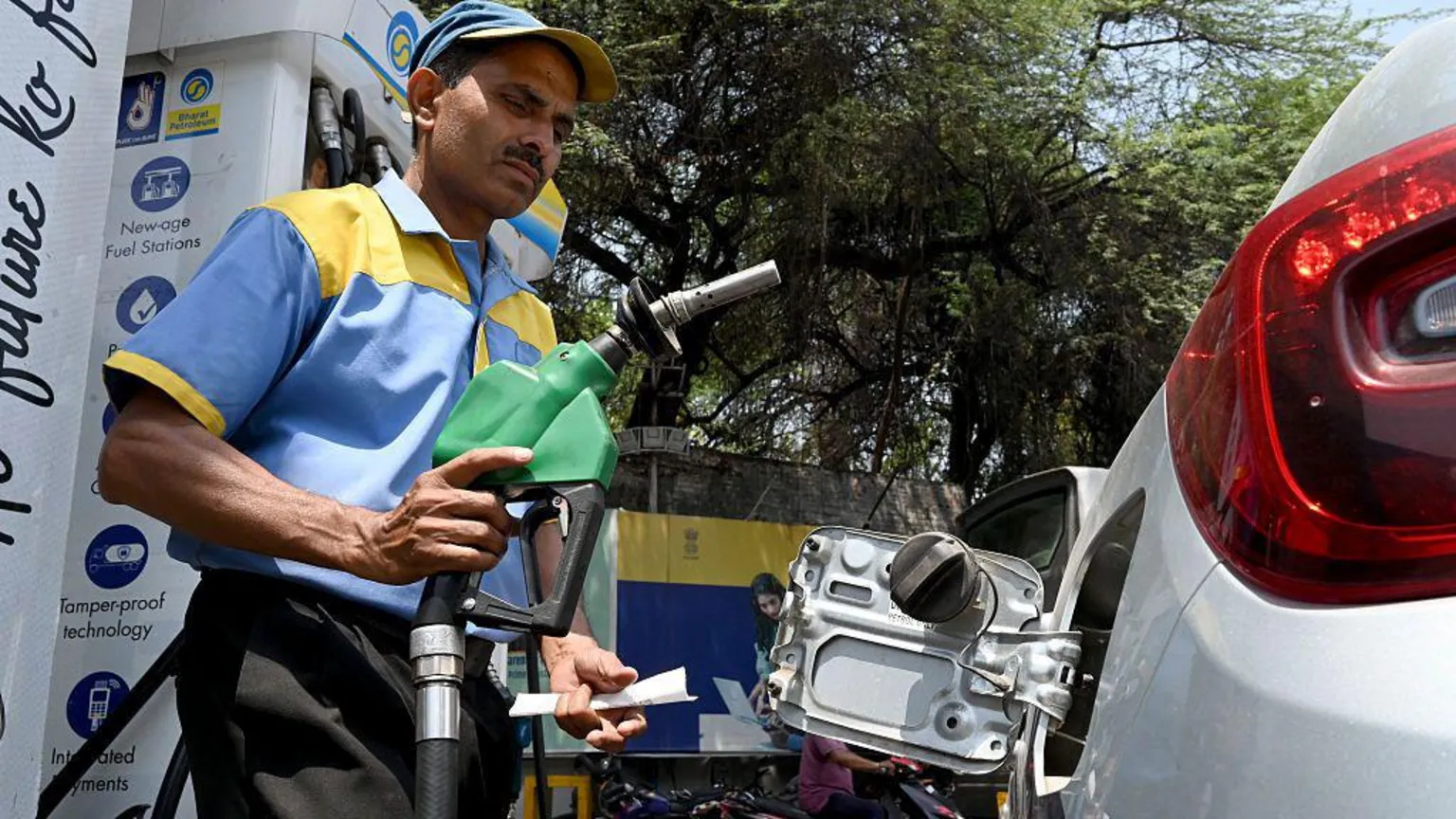
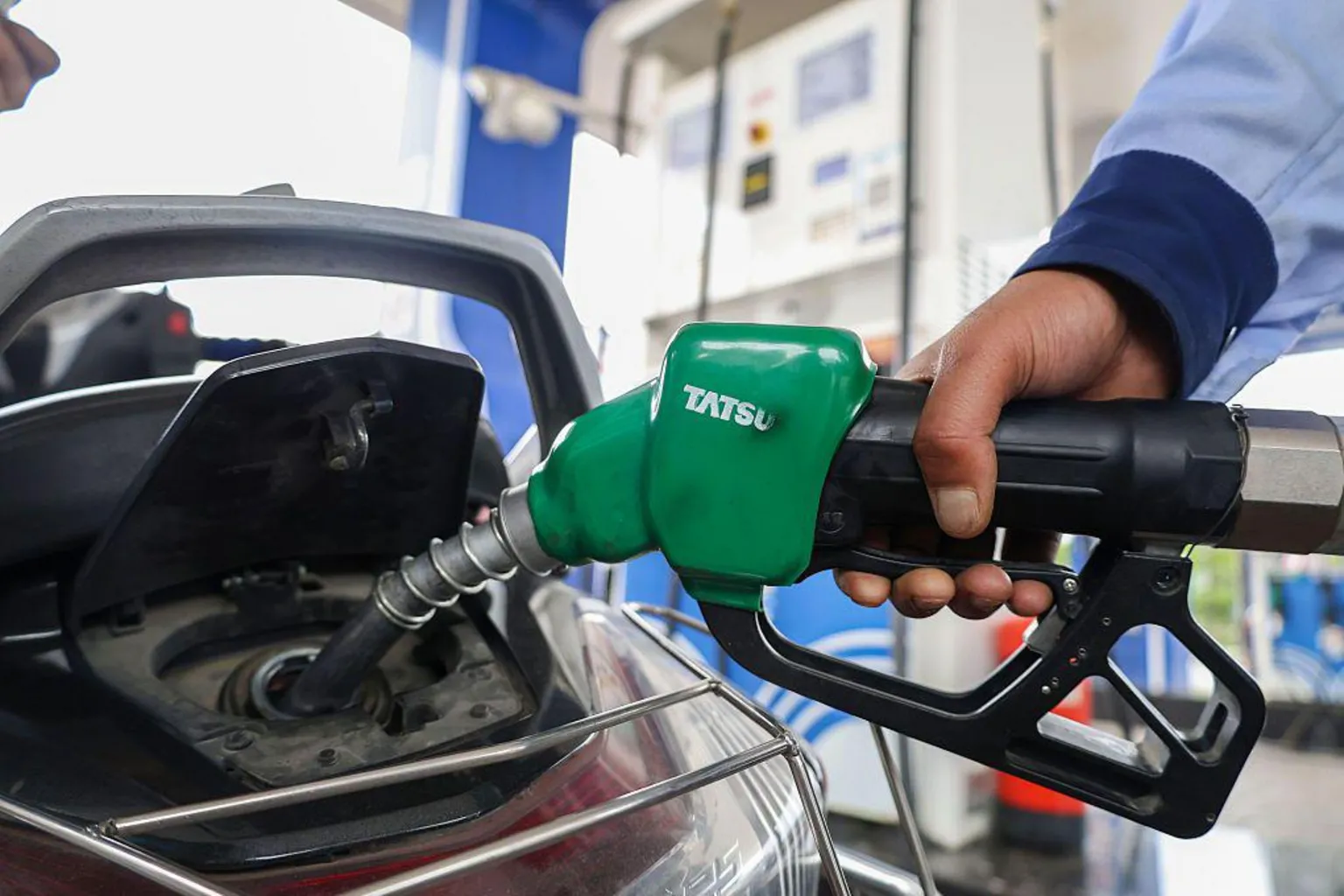
Economically, China, as a major global player and a significant importer of energy, faces considerable risks. Disruptions to oil supplies from the Middle East could lead to price volatility and impact its energy security. Furthermore, instability in crucial shipping lanes, such as the Strait of Hormuz, could escalate shipping costs and disrupt global supply chains, directly affecting China’s vast manufacturing and export industries. The potential for broader sanctions or trade restrictions could also complicate China’s economic engagements in the region.
However, the situation also presents Beijing with certain political opportunities. The US’s increased focus on the Middle East might divert its strategic attention away from the Indo-Pacific region, potentially offering China more room to maneuver on its own geopolitical objectives. Additionally, as regional powers seek stability and alternative partnerships, China could strengthen its diplomatic and economic ties with various Middle Eastern nations, positioning itself as a reliable partner amidst regional flux. This complex dynamic underscores China’s careful balancing act in a volatile international landscape.
#China #USIranConflict #Geopolitics #EconomicImpact #MiddleEast #EnergySecurity #GlobalTrade #BeijingStrategy #InternationalRelations #SupplyChain




Leave a Reply