


U.S. consumer prices surged by nearly 1 percent in March, marking one of the highest short-term inflation rates in years. This increase is primarily attributed to disruptions in energy markets stemming from the conflict with Iran.
A report released Friday by the U.S. Bureau of Labor Statistics indicated that March inflation climbed by 0.9 percent, a significant jump from February’s 0.3 percent. This represents the largest monthly increase since May 2022, a period when the cost-of-living crisis, exacerbated by the COVID-19 pandemic, was at its peak.
The March surge was predominantly fueled by rising energy prices, with gasoline costs escalating by 21.2 percent and fuel oil by over 30 percent.
“The energy index rose by 10.9 percent in March, marking the largest monthly increase since September 2005,” the government report stated.
Following the commencement of an all-out war on Iran by the U.S. and Israel on February 28, which resulted in the death of Iran’s Supreme Leader Ali Khamenei, Tehran responded by closing the Strait of Hormuz. This action caused global oil and gas prices to skyrocket.
During the conflict, the price of a barrel of oil reached $120, a sharp increase from approximately $70 on February 27.
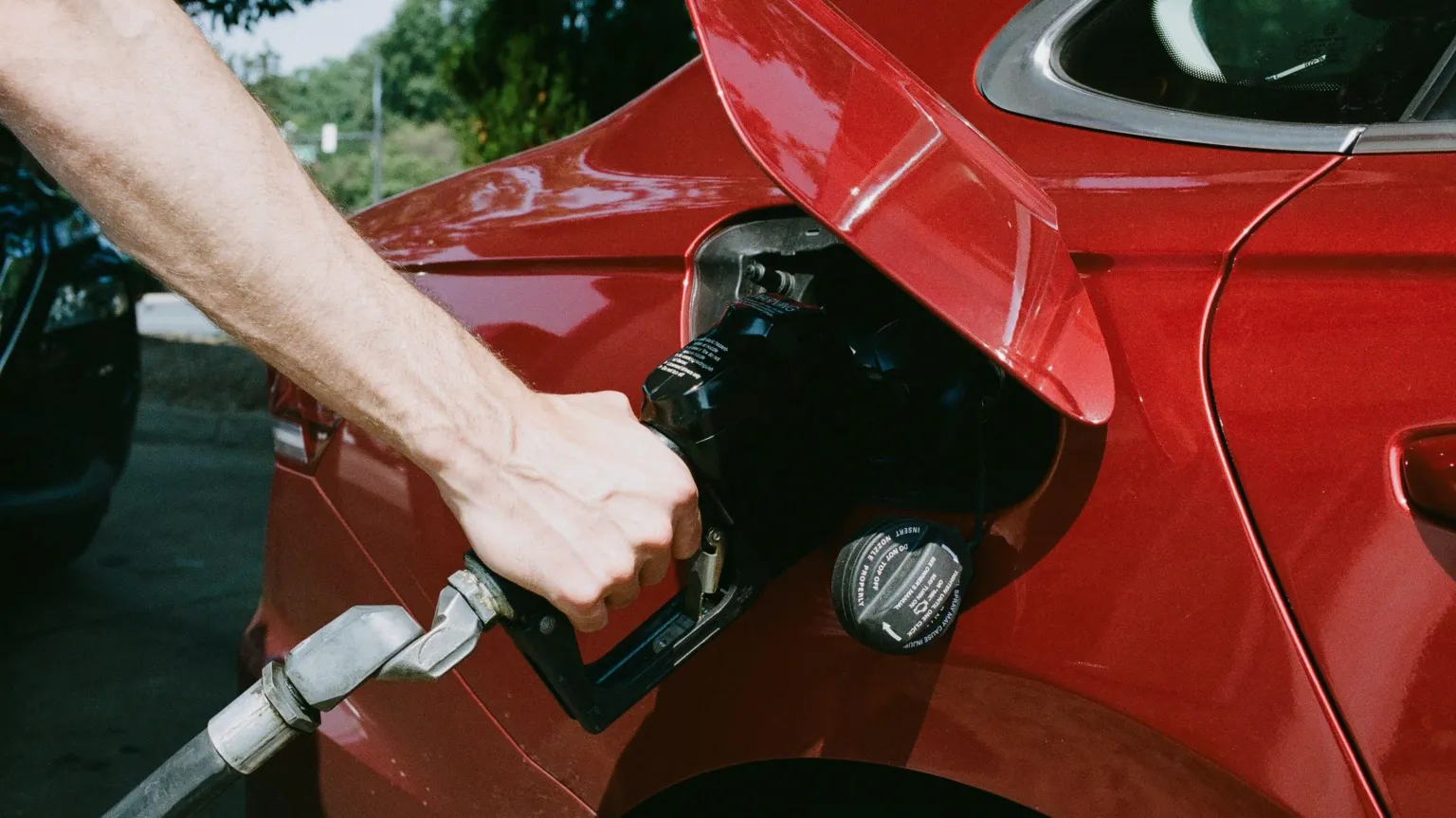
In the U.S., a gallon of gasoline (3.8 liters) surpassed $4.1, up from less than $3 before hostilities erupted.
Late Tuesday, the U.S. and Iran reached an agreement for a two-week ceasefire, which included Iran lifting its blockade of the Strait of Hormuz.
However, marine traffic through the strategic waterway, which links the Persian Gulf to the Indian Ocean, continues to operate at a fraction of its pre-war volume.
On Wednesday, Iran’s Fars News Agency reported that “oil tankers have been suspended from passing through the Strait of Hormuz” in retaliation for an Israeli assault on Lebanon that claimed over 300 lives.
U.S. President Donald Trump has issued a warning to Iran against blocking the strait or imposing charges on vessels for safe passage.
Prior to the conflict, approximately 20 percent of the world’s oil supply transited through the Strait of Hormuz.
Although the ceasefire has offered some relief to the global energy market, pushing oil prices below $100, American consumers are still paying an average of $4.15 per gallon at the pump, according to the American Automobile Association (AAA). Experts predict that price stabilization will take many months.
Friday’s inflation report emerged as many U.S. politicians are prioritizing the cost of living and affordability ahead of the November midterm elections, which will decide control of Congress for the remainder of Trump’s presidency.
Trump’s Democratic opponents have criticized him for initiating the war without congressional approval, emphasizing the escalating economic burden on Americans.
The White House, however, has contended that the rise in gasoline prices constitutes “short-term pain” that will ultimately be outweighed by the perceived benefits of defeating Iran.
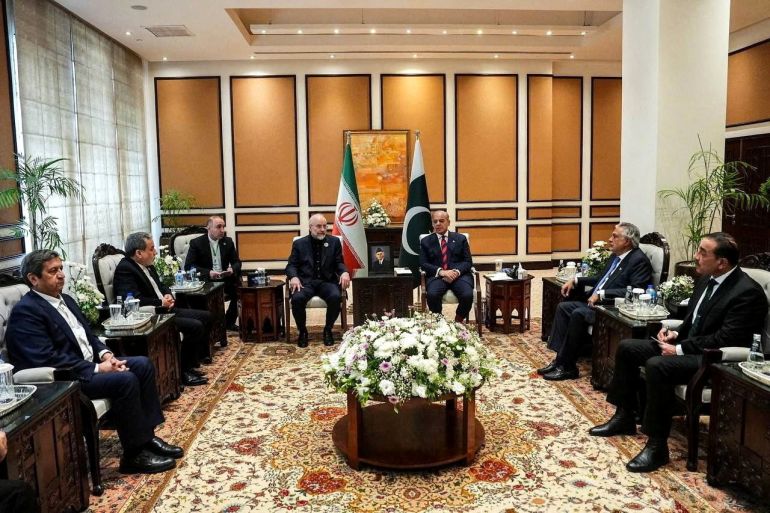
A U.S. delegation, headed by Vice President JD Vance, is currently traveling to Pakistan for discussions with Iranian officials to finalize a long-term ceasefire agreement.
Meanwhile, amidst this uncertainty and soaring prices, a survey released Friday revealed that U.S. consumer sentiment plummeted to a record low in early April, with consumers anticipating a surge in inflation over the next 12 months.
The University of Michigan’s Surveys of Consumers reported that its Consumer Sentiment Index fell to an all-time low of 47.6 this month, down from a final March reading of 53.3. Economists surveyed by Reuters had predicted the index would ease to 52.0.
The decline in sentiment was observed across all age groups, income levels, and political affiliations, although the survey highlighted that nearly all responses were collected prior to the ceasefire agreement.
“Open-ended comments indicate that many consumers attribute unfavorable economic changes to the Iran conflict,” stated Joanne Hsu, director of the Surveys of Consumers.
The survey’s measure of consumer expectations for inflation over the next year surged to 4.8 percent this month, up from 3.8 percent in March. Consumers’ long-term inflation expectations (over the next five years) also increased, rising to 3.4 percent from 3.2 percent last month.
#USInflation #ConsumerSentiment #HormuzBlockade #EnergyPrices #OilPrices #IranConflict #CostOfLiving #MidtermElections #GlobalEconomy #GasPrices






Leave a Reply