


The UK government’s borrowing saw a significant reduction last year, though analysts caution that this improvement is unlikely to persist due to the anticipated impact of the Iran war.
Key Figures on Borrowing
Borrowing, defined as the gap between government spending and tax income, decreased by £19.8 billion to £132 billion in the year ending March, according to the Office for National Statistics (ONS). This figure was marginally below the £132.7 billion forecast by the government’s independent body, the Office for Budget Responsibility.
Future Economic Challenges
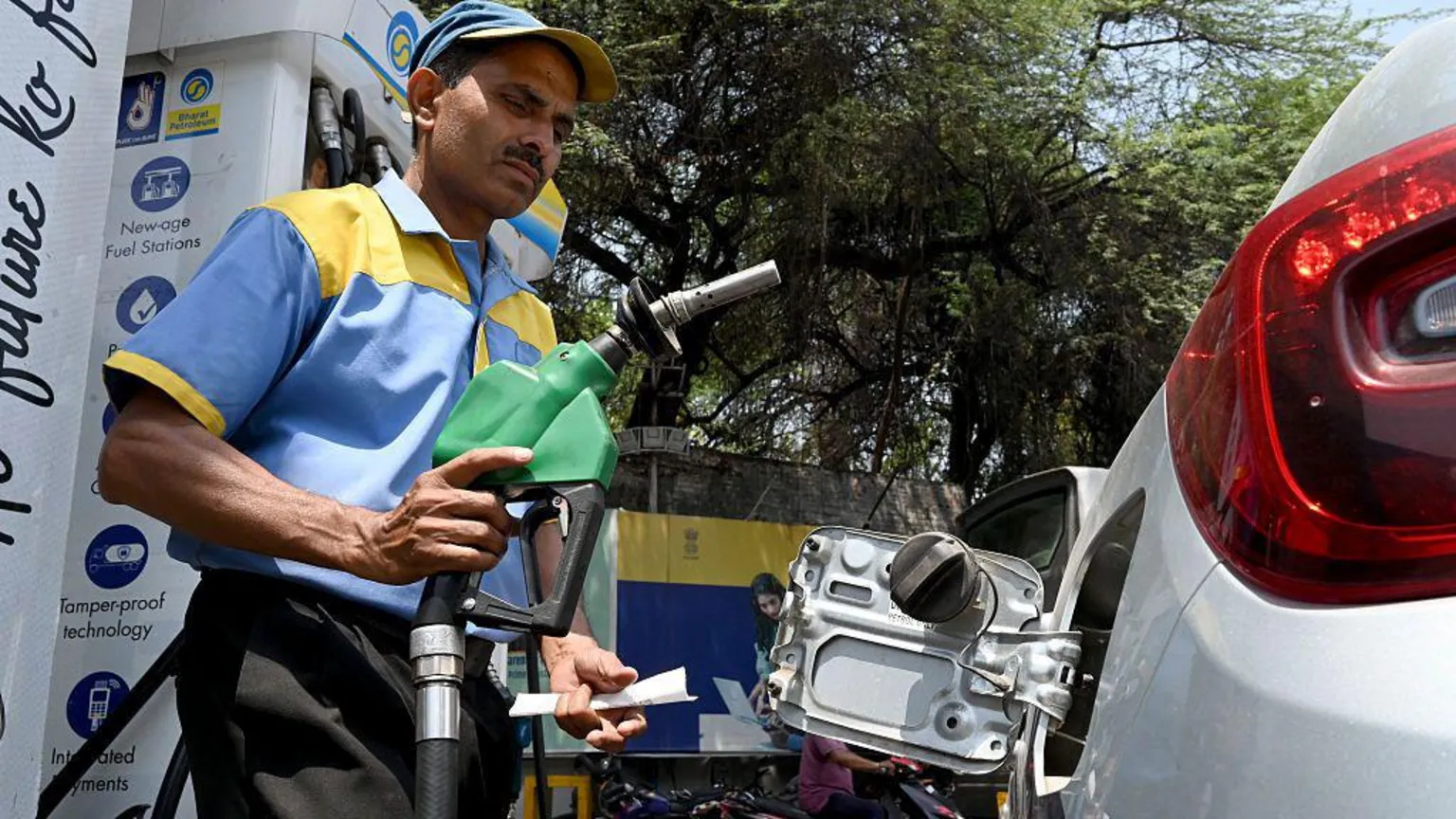
Despite the recent fall, financial experts predict a likely worsening of government finances this year. This is attributed to potential inflation increases and the need to offer support to households grappling with higher energy bills.
Ruth Gregory, Deputy Chief UK Economist at Capital Economics, highlighted that the full repercussions of the energy price shock stemming from the conflict ‘is still to come’. She projected that a combination of targeted energy price support (around £20 billion), high interest rates, and a weakening economy would lead to borrowing rising from £132 billion in 2025/26 to approximately £145 billion this year.
Elliott Jordan-Doak, Senior UK Economist at Pantheon Economics, warned of ‘a more daunting 2026/27 ahead’ for the Chancellor. He estimated an increase of about £12 billion in interest payments this year, emphasizing that ‘any further fiscal support for households or businesses will require additional borrowing’.
International Warnings and March Data
Last week, the International Monetary Fund (IMF) indicated that the energy shock resulting from the Iran war would disproportionately affect the UK compared to other advanced economies worldwide.
The ONS also reported that borrowing for March alone stood at £12.6 billion, exceeding analysts’ expectations. However, this was £1.4 billion less than the previous year and marked the lowest March borrowing since 2022. ONS Senior Statistician Tom Davis noted that ‘although spending has risen this financial year, this was more than offset by increased receipts’.
Political Commentary
James Murray, Chief Secretary to the Treasury, stated: ‘Our deficit is down £19.8 billion because of our plan to cut borrowing. In a volatile world the decisions we are taking are the right ones to keep costs down, take back our energy security and cut borrowing and debt.’
Conversely, Shadow Chancellor Mel Stride criticized the situation, asserting that the annual deficit was ‘70% higher than was forecast when they [Labour] came into office’. He added that ‘Labour have left Britain dangerously exposed to economic shocks.’
#UKEconomy #GovernmentBorrowing #IranWarImpact #FiscalPolicy #Inflation #EnergyPrices #ONSData #IMFWarnings #EconomicOutlook #UKPolitics





Leave a Reply