

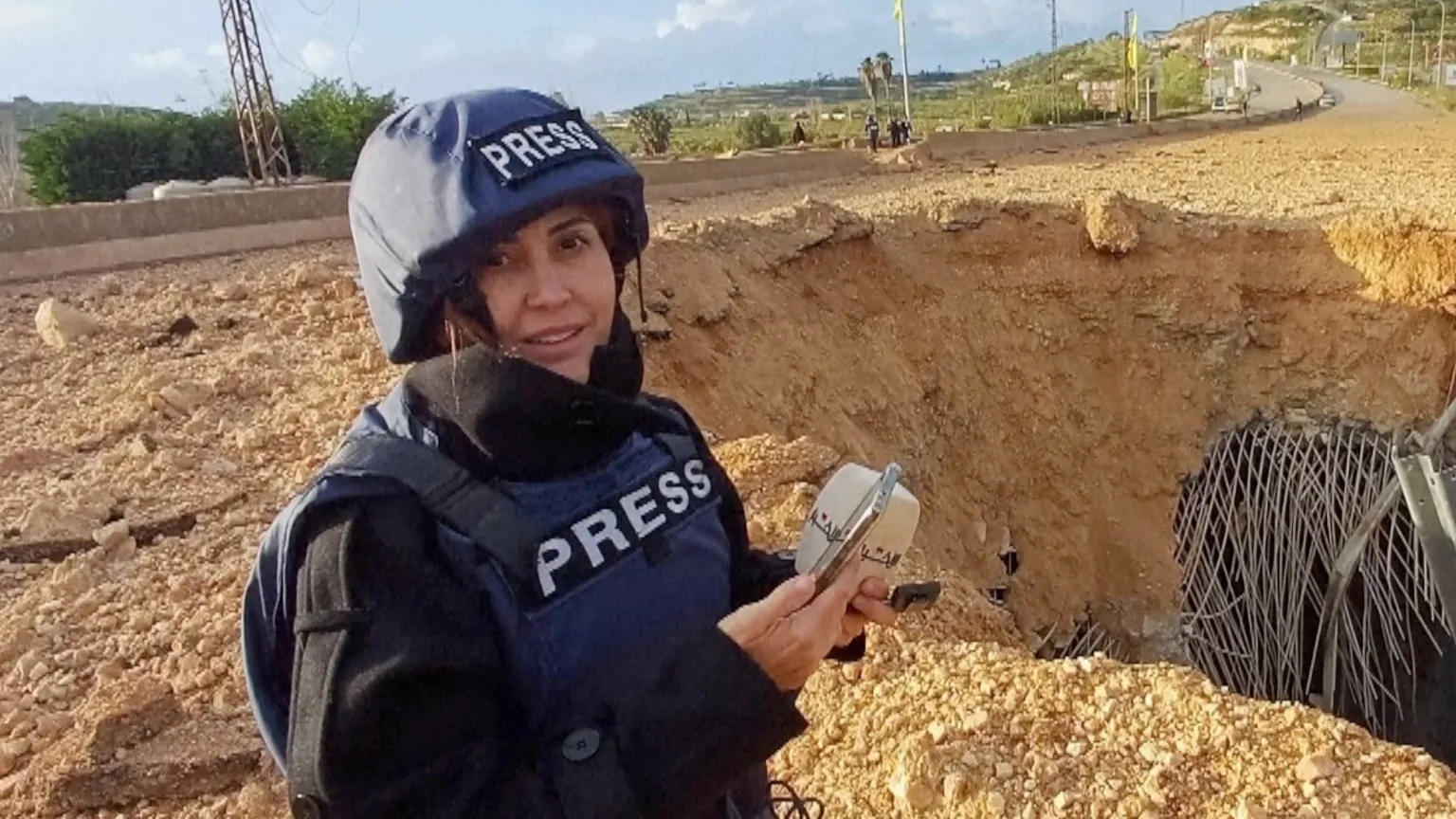
Lebanese Journalist Killed in Southern Lebanon
Lebanese officials have reported that a Lebanese journalist was killed and another wounded in Israeli airstrikes in southern Lebanon. The incident has led to strong accusations from Lebanon against Israel regarding war crimes and the deliberate targeting of media personnel.
Amal Khalil, a journalist for a Lebanese newspaper, was killed, and freelance photographer Zeinab Faraj was injured in the strikes on Wednesday. According to Lebanese officials, Khalil and Faraj were deliberately targeted as they sought shelter in a home after an initial airstrike hit a vehicle in front of them, killing two men.
Accusations and Denials
Lebanon’s Prime Minister has accused Israel of war crimes, stating that targeting journalists, obstructing access for relief teams, and re-targeting locations after teams arrive constitute such crimes. Lebanese officials also alleged that the Israel Defense Forces (IDF) intentionally targeted a marked ambulance attempting to reach the journalists in the village of Tayri.
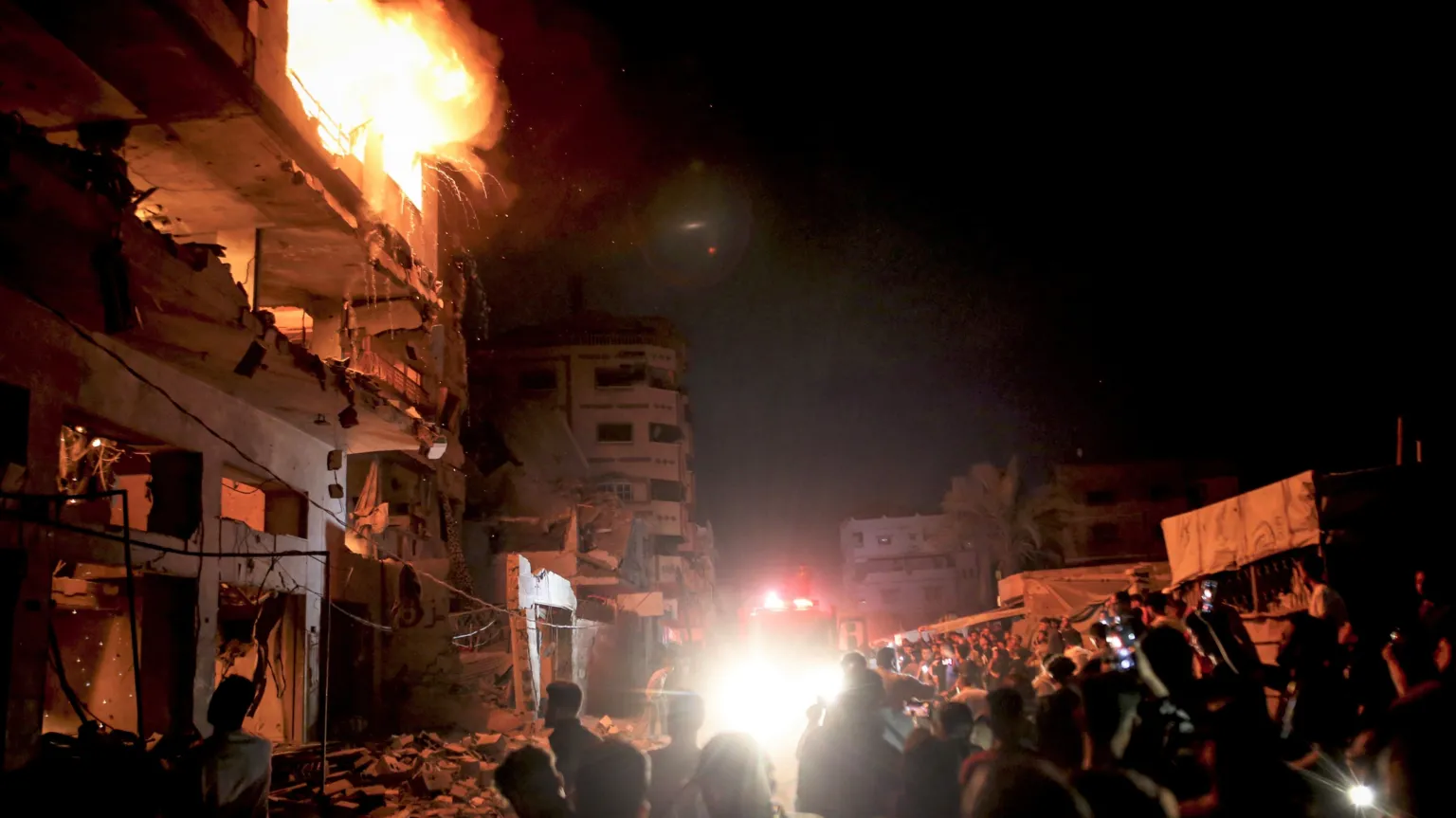
In response, the IDF denied preventing rescue teams from reaching the area and asserted that it does not target journalists. The IDF stated it identified two vehicles that had “departed from a military structure used by Hezbollah.” One vehicle, it claimed, approached Israeli troops in a manner that posed an “immediate threat” after crossing a “forward defense line,” violating a ceasefire. The IDF reported that the Israeli Air Force then struck one of the vehicles and the “structure from which the individuals had fled was also struck.”
The Lebanese health ministry, however, maintained that the IDF “pursued” Khalil and Faraj, who had taken refuge from the first raid in a nearby house, and subsequently targeted that house. The ministry further claimed that when a Lebanese Red Cross ambulance arrived, Israeli forces directed a stun grenade and gunfire toward it, preventing access. This, they stated, constituted a “blatant double violation.”
International Reactions and Broader Context
Clayton Weimer, executive director of Reporters Without Borders, highlighted that the IDF had received messages requesting access for ambulances to Khalil. He described the situation as “callous disregard, on top of what appears to be a deliberate and targeted killing of a journalist,” as the Red Cross reported being unable to get through due to ongoing bombardment.
The US-based Committee to Protect Journalists (CPJ) expressed outrage over Khalil’s death. Sara Qudah, CPJ Regional Director, stated that “The repeated strikes on the same location, the targeting of an area where journalists were sheltering, and the obstruction of medical and humanitarian access constitute a grave breach of international humanitarian law.”
Reports from local media in 2024 indicated that Khalil had previously received an “Israeli death threat” warning her to leave southern Lebanon, which the CPJ noted raised “serious concerns of deliberate targeting.”
This incident is not isolated. Earlier this month, two journalists, Ghada Dayekh and Suzan Khalil, were killed in separate Israeli strikes in Lebanon. Last month, three more Lebanese journalists – Ali Shoeib, Fatima Ftouni, and Mohamed Ftouni – were also killed in a targeted Israeli strike. The IDF confirmed some of these killings, describing some individuals as “terrorists” from Hezbollah’s military wing.
Lebanese authorities report a significant toll from Israeli attacks since the latest conflict began, with at least 2,475 people killed and over 7,500 wounded. This includes at least 274 women and 177 children. The Lebanese health ministry also stated that at least 100 medical workers have been killed and over 120 attacks recorded on ambulances and medical facilities. According to the CPJ, seven journalists have been killed in Lebanon due to Israeli attacks.
On the Israeli side, authorities report that Hezbollah attacks have killed two civilians and 13 Israeli soldiers in combat in Lebanon since March 2.
Ceasefire and Future Talks
The incident occurred amidst a fragile 10-day cessation of hostilities, agreed upon following US-hosted talks between Lebanese and Israeli envoys. Both sides have accused each other of violating the ceasefire. Lebanon’s president confirmed efforts to extend the ceasefire, with Lebanese negotiators seeking an end to Israeli attacks, withdrawal of Israeli troops, release of Lebanese prisoners, deployment of Lebanese troops along the border, and the start of reconstruction.
Israel’s foreign minister, in a speech to Israeli diplomats, emphasized the need for the two countries to “work together against the terror state that Hezbollah built.”
#Lebanon #Israel #JournalistKilled #AmalKhalil #Airstrikes #WarCrimesAllegations #PressFreedom #MiddleEastConflict #HumanitarianLaw #Ceasefire



Leave a Reply