

The US states its forces have boarded a sanctioned vessel transporting Iranian oil in the Indian Ocean, marking the country’s latest naval action against Iran.
The US Department of Defense (DoD) announced in a statement that it had conducted a “maritime interdiction”—the interception or inspection of a vessel by a navy on ships suspected of being hostile or violating the law—on the M/T Majestic X.
The US has intercepted multiple ships since imposing a blockade on maritime traffic entering and leaving Iranian ports on April 13.
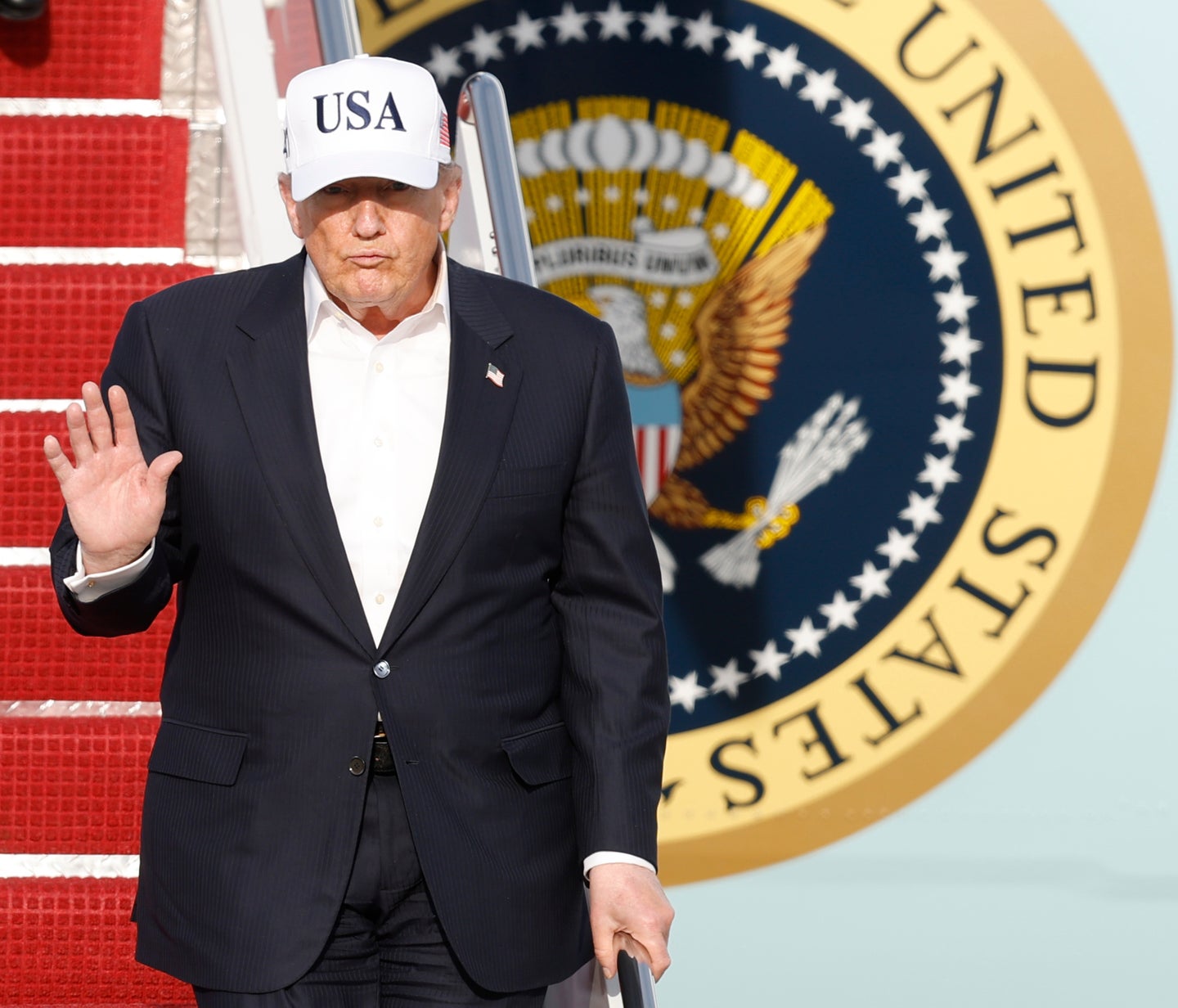
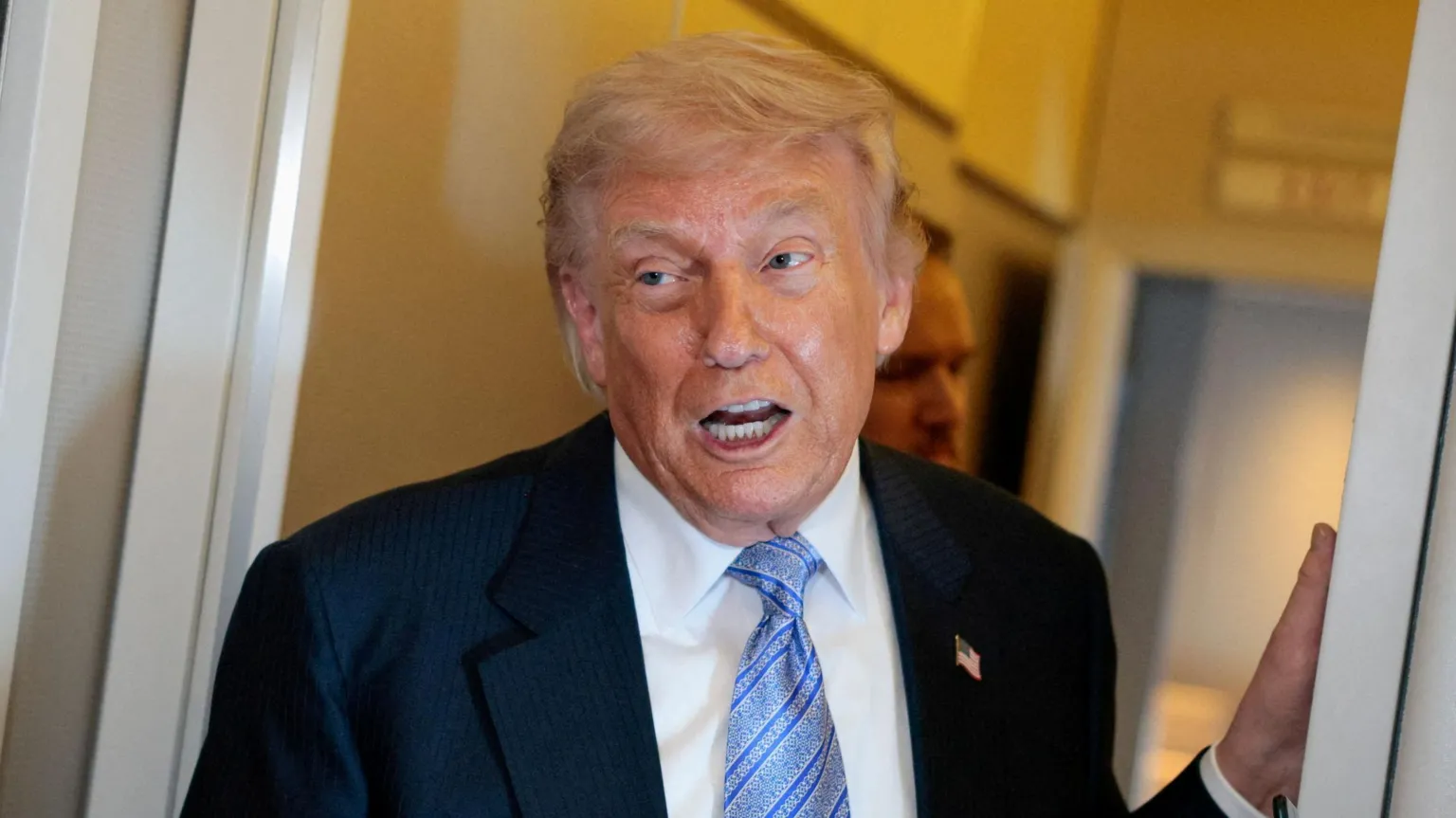
This latest interception occurs as President Donald Trump ordered the US Navy to “shoot and kill” any vessel deploying mines in the critical shipping channel of the Strait of Hormuz.
Under the blockade, US Central Command (Centcom) stated it has ordered 33 vessels to return to port, and the DoD affirmed it would continue to halt ships suspected of “providing material support to Iran—anywhere they operate.”
Iran earlier this week described one US ship interception as “piracy.”
Trump has aimed to exert pressure on Tehran by targeting the country’s oil revenues and the tolls Tehran claimed to have collected from ships for free navigation through the strait.
Speaking at a White House event on Thursday, he declared the blockade “100% effective” and stated that Iran is “getting no business.”
Trump also claimed to have rejected an Iranian offer to reopen the strait three days prior, asserting that “it will open when we make a deal.”
Hamidreza Haji Bababei, the deputy speaker of the Iranian Parliament, claimed on Thursday that the initial revenues collected from tolls imposed on ships using the vital waterway had been deposited with the country’s Central Bank.
No further details were provided regarding the toll amount, collection method, or payers. The BBC could not independently verify this claim.
The US has continued to enforce its naval blockade despite Trump extending a two-week ceasefire at the request of mediator Pakistan.
Mohammad Bagher Ghalibaf, who led the first round of peace negotiations, stated it is “not possible” to reopen the strait due to the blockade and what he termed other ceasefire violations.
Writing on Truth Social on Thursday, Trump asserted that US forces have “total control” of the Strait of Hormuz, while claiming Iranians are “having a very hard time figuring out who their leader is.”
A day earlier, Iran’s navy reported seizing two cargo ships in the strait and taking them to the country’s coast following reports that three vessels came under fire from Iranian forces.
The Islamic Revolutionary Guard Corps (IRGC)-affiliated Fars News Agency stated the IRGC was responsible for the attacks.
BBC Verify analyzed footage shared by the IRGC purporting to show Iranian soldiers seizing the two ships, finding that while the two vessels—MSC Francesca and the Epaminondas—are clearly identifiable, aerial shots appear to have been filmed several hours after the reported initial attack.
Greek authorities denied the Epaminondas was seized and stated its captain remains in control. However, the transponders of both vessels have been switched off.
On Thursday, Trump also stated he had ordered the US Navy to “shoot and kill” boats laying mines in the Strait of Hormuz.
“There is to be no hesitation,” he said in a social media post, adding that US mine “sweepers” are clearing the strait “right now.”
This update comes as the Pentagon dismissed reports suggesting that US forces might require six months to remove any mines located in the shipping lane.
“One assessment does not mean the assessment is plausible, and a six-month closure of the Strait of Hormuz is an impossibility and completely unacceptable to the Secretary,” Pentagon Chief Spokesman Sean Parnell told the BBC.
In a phone interview with the BBC’s North America editor Sarah Smith, Trump said Iran is “dying to make a deal,” adding his stance “seems to be working very well.”
The US president announced on Tuesday that he would extend the ceasefire with Iran to allow the regime more time to create a “unified proposal” to end the war. He did not specify how long the ceasefire might last.
Writing on Truth Social on Thursday, he disputed reports that he is “anxious” to end the war, stating that while he has “all the time in the World… Iran doesn’t—The clock is ticking!”
Despite the war’s impact on the already-struggling Iranian economy, including a massive wave of redundancies and a plunge in consumer spending, Tehran has shown little sign of backing down.
Iran’s Foreign Minister Abbas Araghchi stated on X that the country is “united, more than ever before.” Iranian President Masoud Pezeshkian and Ghalibaf issued similar statements describing Iran’s “iron unity.”
The war began when the US and Israel attacked Iran on February 28.
Israel’s Defense Minister, Israel Katz, stated on Thursday that his country stands ready to resume hostilities and return Iran “to the dark and stone ages.”
Katz said Israel is “waiting for the green light from the US… to complete the elimination of the Khamenei dynasty.”
#USIranTensions #StraitOfHormuz #IranianOil #NavalBlockade #MaritimeSecurity #DonaldTrump #MiddleEast #Geopolitics #IranSanctions #USNavy
US Boards Ship Carrying Iranian Oil as Trump Threatens Mine-Laying Vessels




Leave a Reply