


The US is considering options for punishing NATO allies it believes failed to offer support during the Iran war, according to a Pentagon memo seen by Reuters. The proposals include suspending Spain from the political and military alliance and reviewing the UK’s claim to the Falkland Islands.
A NATO official told the BBC that “NATO’s founding treaty does not foresee any provision for suspension of NATO membership, or expulsion.” Downing Street affirmed that the sovereignty of the Falkland Islands “rests with the UK.”
Trump’s Stance on NATO
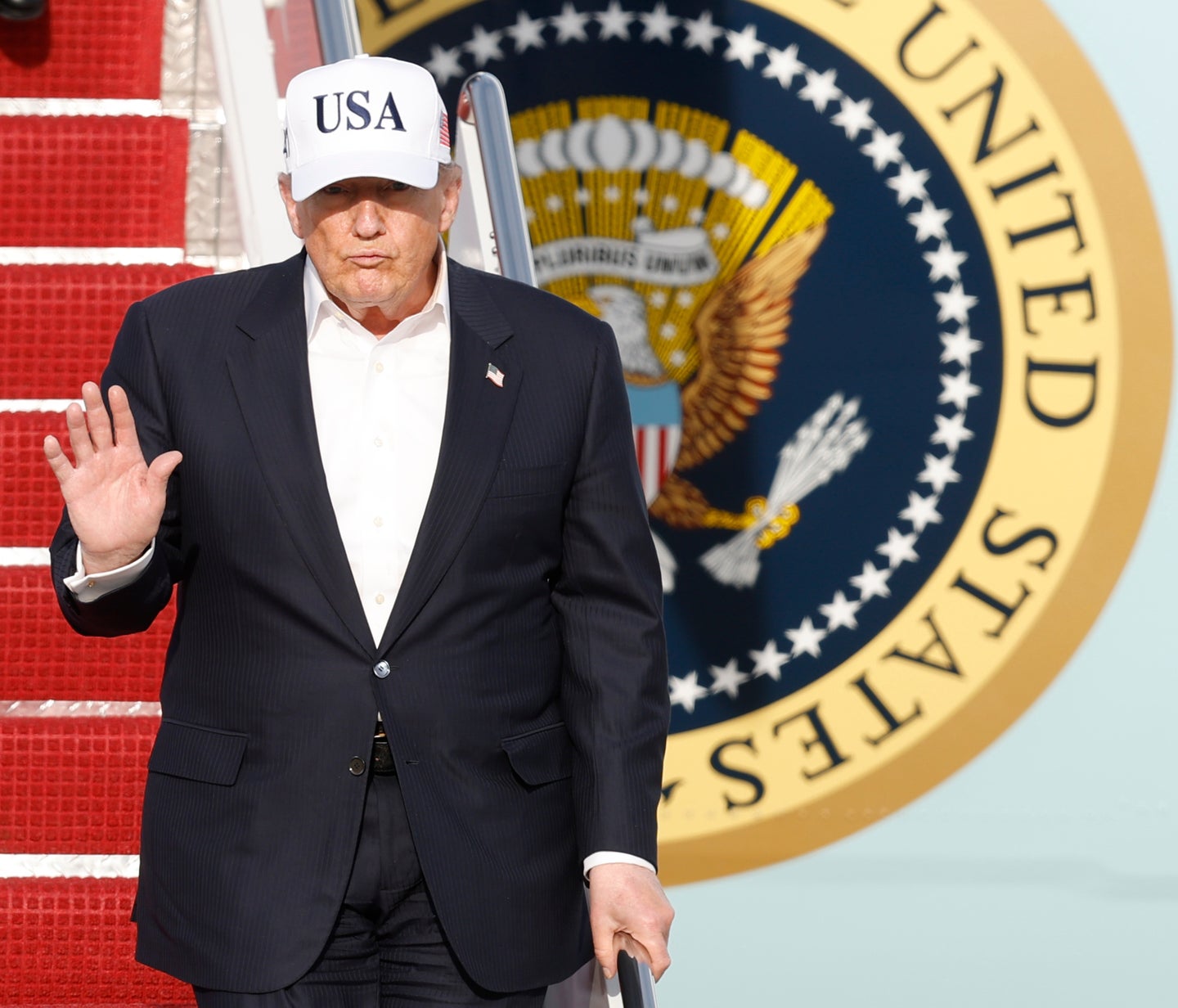
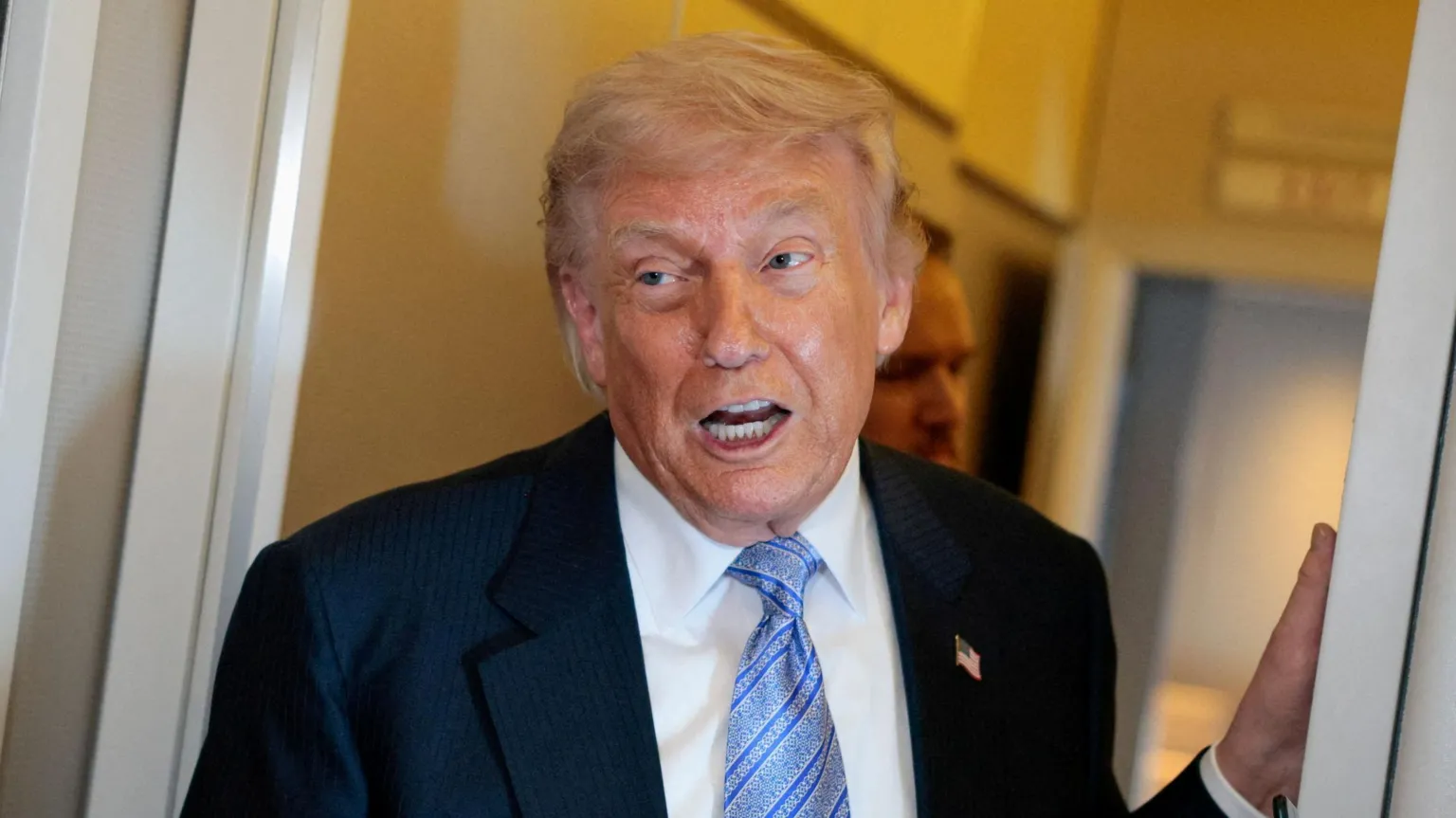
The reported Pentagon memo, which considers steps against other NATO members, follows a series of attacks on the organization by US President Donald Trump. He has repeatedly criticized NATO allies for their reluctance to play a greater role after the US and Israel attacked Iran in late February, and Iran subsequently restricted shipping through the key Strait of Hormuz route.
Trump has questioned the effectiveness of the organization, calling it a “paper tiger,” and has toyed with the idea of pulling the US out. In a Truth Social post after a meeting with NATO Secretary General Mark Rutte, the US President stated: “NATO WASN’T THERE WHEN WE NEEDED THEM, AND THEY WON’T BE THERE IF WE NEED THEM AGAIN.” He has also accused other member nations of relying too much on the strength of the US military and its defense spending to underpin their own security and objectives.
The Origins and Purpose of NATO
NATO – the North Atlantic Treaty Organization – was formed in Washington D.C. in 1949 by 12 countries. The founding members were Belgium, Canada, Denmark, France, Iceland, Italy, Luxembourg, the Netherlands, Norway, Portugal, the UK, and the US.
NATO’s primary purpose was to block expansion in Europe by the Soviet Union – a group of communist republics dominated by Russia which was dissolved in 1991. It also aimed to prevent the revival of nationalist militarism in Europe and encourage European political integration. The alliance does not have its own army, but member states can take collective military action in response to international crises. For instance, NATO supported the UN by intervening in the war in the former Yugoslavia between 1992 and 2004. It also coordinates military plans and carries out joint military exercises.
NATO Membership and Expansion
NATO has 32 members across Europe and North America – the original 12 founders plus 20 countries which have joined since 1949. After the Soviet Union’s collapse, many Eastern European countries became members, including Albania, Bulgaria, the Czech Republic, Estonia, Hungary, Latvia, Lithuania, Poland, Romania, and Slovakia. Finland and Sweden, having been neutral for decades, both applied to NATO in May 2022, shortly after Russia invaded Ukraine. Ukraine, Bosnia and Herzegovina, and Georgia are not members but have asked to join.
Understanding NATO’s Core Principles: Articles 5 and 4
Article 5 is one of NATO’s core principles. It states that an armed attack against one or more members will be considered an attack against all. In response, each other member would take “such action as it deems necessary, including the use of armed force, to restore and maintain the security of the North Atlantic area.” The guarantee does not cover bases in foreign countries or territories outside the alliance area – which is why it did not apply at times including the Vietnam War or the Falkland Islands conflict. The only time Article 5 has been invoked was after the 9/11 attacks against the US in 2001.
Under Article 4, member countries can bring any issue of concern – especially related to security – to the North Atlantic Council, NATO’s main political decision-making body. Since NATO’s creation in 1949, Article 4 has been invoked seven times.
NATO Defence Spending Targets
In 2025, NATO leaders agreed a defense spending target of 5% of their countries’ economic output by 2035. This includes 3.5% of each member state’s GDP for core defense expenditure, plus up to 1.5% on wider security infrastructure. NATO members are currently expected to spend 2% of their national income on defense, although this is not a legally binding commitment. According to NATO, every country in the alliance achieved at least 2% in 2025. The US and countries which are geographically close to Russia – such as Poland and the Baltic states – have traditionally spent the most. In 2025, Poland, Lithuania, and Latvia all spent more than 3.5% of their GDP on defense. The US is by far the biggest spender on defense overall, spending about $980bn (£720bn) in 2025. This accounted for 60% of all members’ spending on defense, NATO said. For the UK, defense spending in 2025 was 2.3% of GDP (about £66bn). The government has a target to spend 3% by the end of the next Parliament.
Ukraine’s Path to NATO Membership
Ukraine’s prospects for joining the alliance have been clouded by its ongoing war with Russia. Russia has consistently opposed the idea of Ukraine becoming a member, fearing it would bring NATO forces too close to its borders. In 2008, the alliance said that Ukraine could eventually join. After Russia’s 2022 invasion, Ukrainian President Volodymyr Zelensky asked for this process to be fast-tracked. The NATO chief at the time, Jens Stoltenberg, said Ukraine could join “in the long term,” but not until after the war had ended. However, speaking in August 2025, US President Donald Trump said there will be “no going into NATO by Ukraine” as part of a peace deal with Russia. The alliance previously described Russia’s invasion of Ukraine as the “most significant and direct threat to allies’ security.” It has not sent troops to fight in Ukraine or established a no-fly zone over the country for fear of being pulled into a direct conflict with Russia, a nuclear superpower. However, individual member states have supplied arms and equipment.
#NATO #NorthAtlanticTreatyOrganization #USForeignPolicy #InternationalRelations #DefenceSpending #CollectiveSecurity #UkraineWar #TrumpOnNATO #FalklandIslands #Geopolitics






Leave a Reply