


Oil prices have surged following reports indicating that the US is preparing for an ‘extended’ blockade of Iran. Brent crude briefly touched $119 (£88) a barrel on Wednesday evening, marking the highest price this month and a nearly 7% increase in a single day.
Key Developments and Market Reaction
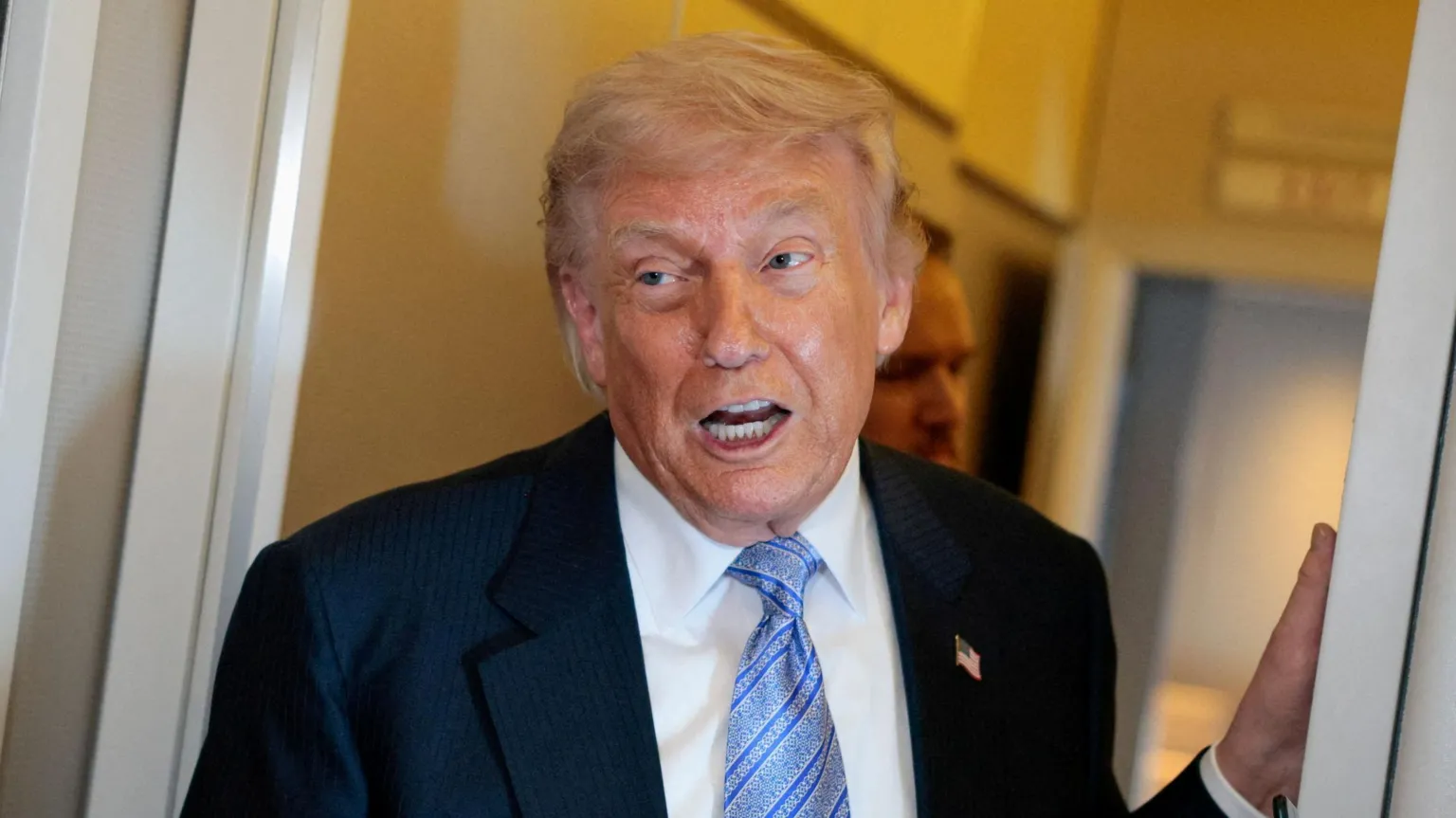
The BBC understands that energy executives, including Chevron chief executive Mike Wirth, met with President Donald Trump at the White House on Tuesday. The discussions focused on strategies to mitigate the conflict’s impact on American consumers. Oil traders interpreted this meeting as a signal that the effective closure of the Strait of Hormuz is likely to persist for an extended period.
This meeting aligns with separate reports from the Wall Street Journal, which stated that US President Donald Trump has instructed aides to prepare for an extension of the ongoing blockade of Iran’s ports. This measure aims to exert economic pressure on the country. Iran, in response to the US blockade, has affirmed its intention to continue disrupting traffic through the Strait of Hormuz.
Since the conflict’s inception, oil prices have experienced significant volatility, primarily due to the effective closure of the crucial Strait of Hormuz for several weeks. Iran has substantially restricted shipping through this strait, which typically facilitates about a fifth of the world’s oil and liquid natural gas supply. This action comes in response to US and Israeli strikes that commenced on February 28. Earlier this month, Tehran issued a warning that any vessel approaching the strait would be targeted. Subsequently, the US announced that its forces would intercept or turn back vessels traveling to or from Iran’s ports. Analysis by BBC Verify indicates that at least four vessels tracked from Iranian ports appear to have crossed the US blockade line.
Price Fluctuations and Economic Impact
Despite recent fluctuations, oil prices remain considerably higher than their pre-conflict levels. Brent crude had dropped to $90 a barrel on April 17 following a ceasefire announcement between Israel and Lebanon, and the US stating a pause in attacks on Iran on April 8. However, the oil benchmark has been steadily climbing over the past 12 days as the US blockade continues.
Lindsay James, an investment strategist at Quilter, noted that the war’s impact in the UK has largely been confined to elevated petrol and diesel prices. However, she warned that ‘every day that passes without a resumption of supply sees the risk of physical shortages and steeper price rises on a range of goods increasing.’
Crude oil is a vital global economic resource, used for fuels such as petrol, kerosene, and diesel, and as a base for numerous household items like plastics and clothing. Brent crude, a blend primarily produced in the North Sea, is one of the most widely used international benchmarks for global crude prices. Its price significantly influences global energy markets as it serves as a reference point for oil contracts.
Iran’s Economic Challenges and Diplomatic Efforts
The Iranian economy is grappling with a deepening crisis, characterized by rapidly rising prices, a depreciating currency, and the potential cessation of oil exports. According to the Statistical Center of Iran, the annual inflation rate has surged to 53.7%. The country’s currency, the rial, has plummeted to a record low. The Iranian government reported last week that approximately two million Iranians have lost their jobs, directly or indirectly, due to the conflict.
On Wednesday, President Trump urged Iran to ‘get smart soon’ and sign a deal, following days of deadlock in efforts to resolve the conflict. In a post on Truth Social, Trump commented that the country ‘couldn’t get its act together.’ The Wall Street Journal, citing US officials, reported that the president had instructed aides to prepare for an extended blockade of Iran’s ports, aiming to compel Tehran’s cooperation. Officials indicated that Trump chose to continue pressuring Iran’s economy and oil exports through the blockade, as other options, such as resuming bombing or disengaging from the conflict, carried greater risks.
Iranian officials stated on Tuesday that the country could withstand the blockade by utilizing alternative trade routes.
Global Outlook and Market Response
The World Bank, on Tuesday, projected that energy prices could surge by 24% in 2026, reaching their highest levels since Russia’s full-scale invasion of Ukraine four years ago, assuming the most severe disruptions from the Iran conflict conclude by May.
European stocks experienced declines on Wednesday as investors processed corporate earnings reports and awaited the US Federal Reserve’s latest interest rate decision. The FTSE 100 closed down 1.2%, while the pan-European Stoxx index fell 0.7%. France’s Cac dropped 0.39%, and Germany’s Dax was down 0.27%. In the US, the Nasdaq saw marginal gains in early trading, while the S&P opened 0.15% lower. Asian stock markets mostly rose on Wednesday, continuing their recovery after being significantly impacted by the initial shock of the war.
Kathleen Brooks, research director at XTB, commented: ‘Financial markets will now need to price in the prospect of a prolonged blockade.’
#OilPrices #IranBlockade #StraitOfHormuz #BrentCrude #GlobalEconomy #EnergyMarket #USIranConflict #EconomicImpact #MarketWatch #Geopolitics



Leave a Reply