

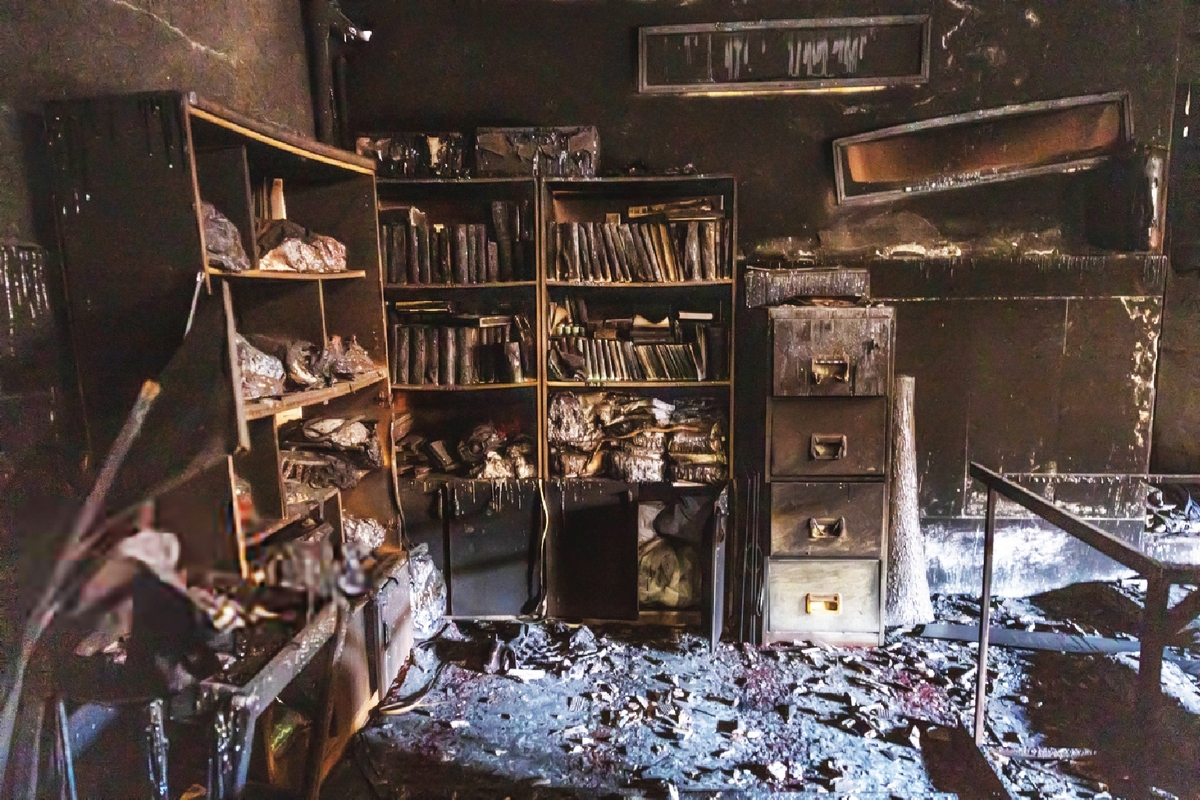
According to the General Directorate of Education of Isfahan Province, 75 schools, predominantly located in Isfahan city, have either been destroyed or sustained severe damage following missile and bomb strikes on educational facilities.
International protocols and global treaties concerning warfare consistently underscore a fundamental humanitarian principle: medical, educational, and cultural centers must remain immune from military assault. Schools, hospitals, and libraries are intended as sanctuaries for life, not battlegrounds.
However, the harsh reality of many contemporary conflicts reveals a disregard for these humanistic rules by certain aggressive and criminal governments. In recent years, bombs and missiles have repeatedly struck not military strongholds, but classrooms, hospitals, and cultural institutions, resulting in the destruction of vital infrastructure and the loss of innocent lives.
This humanitarian principle was once again violated during what Iran refers to as its “Third Sacred Defense” against the United States and the Zionist regime. Among the targeted facilities, schools were particularly vulnerable—places meant for children’s growth, hope, and future building.
In some of these unjust attacks, students, teachers, and even parents who had come to pick up their children were killed. The tragic incident involving female students at the ‘Shajareh Tayebeh’ primary school in Minab, Hormozgan province, stands as a painful example of these atrocities, deeply saddening not only the people of Iran but also many free-spirited individuals worldwide.
Isfahan province was also among the regions where schools suffered significant damage. The provincial education department reported that 75 schools, mostly in Isfahan city, were destroyed or heavily damaged due to missile and bomb impacts on educational centers. Specific examples include Kowsar Primary School and the Ferdows, Khajeh Nasir al-Din Tusi, and Mir vocational schools in District 3.
Nasser Fathi, Director General for Renovation, Development, and Equipping of Schools in Isfahan Province, confirmed these reports, stating, “Several schools in the cities of Khansar and Falavarjan have also been destroyed or damaged as a result of these attacks.”
He added that “some of these schools are completely out of service, but their reconstruction and preparation for reopening are a serious priority and will be carried out as quickly as possible.”
Emphasizing that education must not cease under any circumstances, Fathi clarified, “The condition of these educational centers has been thoroughly assessed, and the extent of the damage estimated. Plans are underway to provide alternative locations, construct new educational spaces, or repair the damaged schools.” According to Isfahan education officials, approximately one million students are currently enrolled in 5,600 educational units across the province. Despite the bitterness of war and destruction, these students continue to hope that the sound of school bells will ultimately resonate louder than the noise of explosions.
#WarCrimes #SchoolAttacks #Isfahan #EducationUnderAttack #CivilianProtection #HumanitarianLaw #ChildrenInConflict #MiddleEastConflict #SchoolReconstruction #StopWarOnChildren





Leave a Reply