


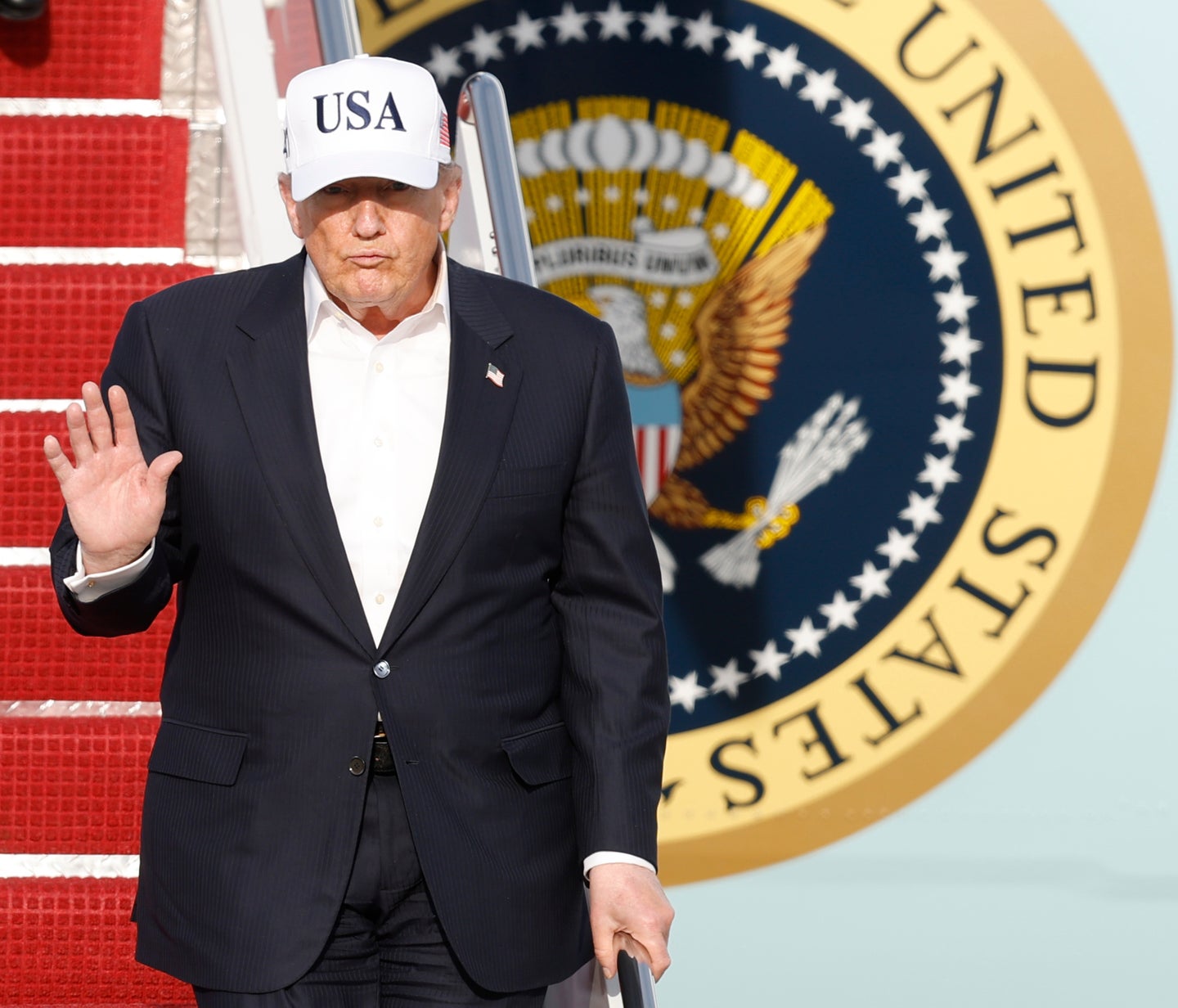
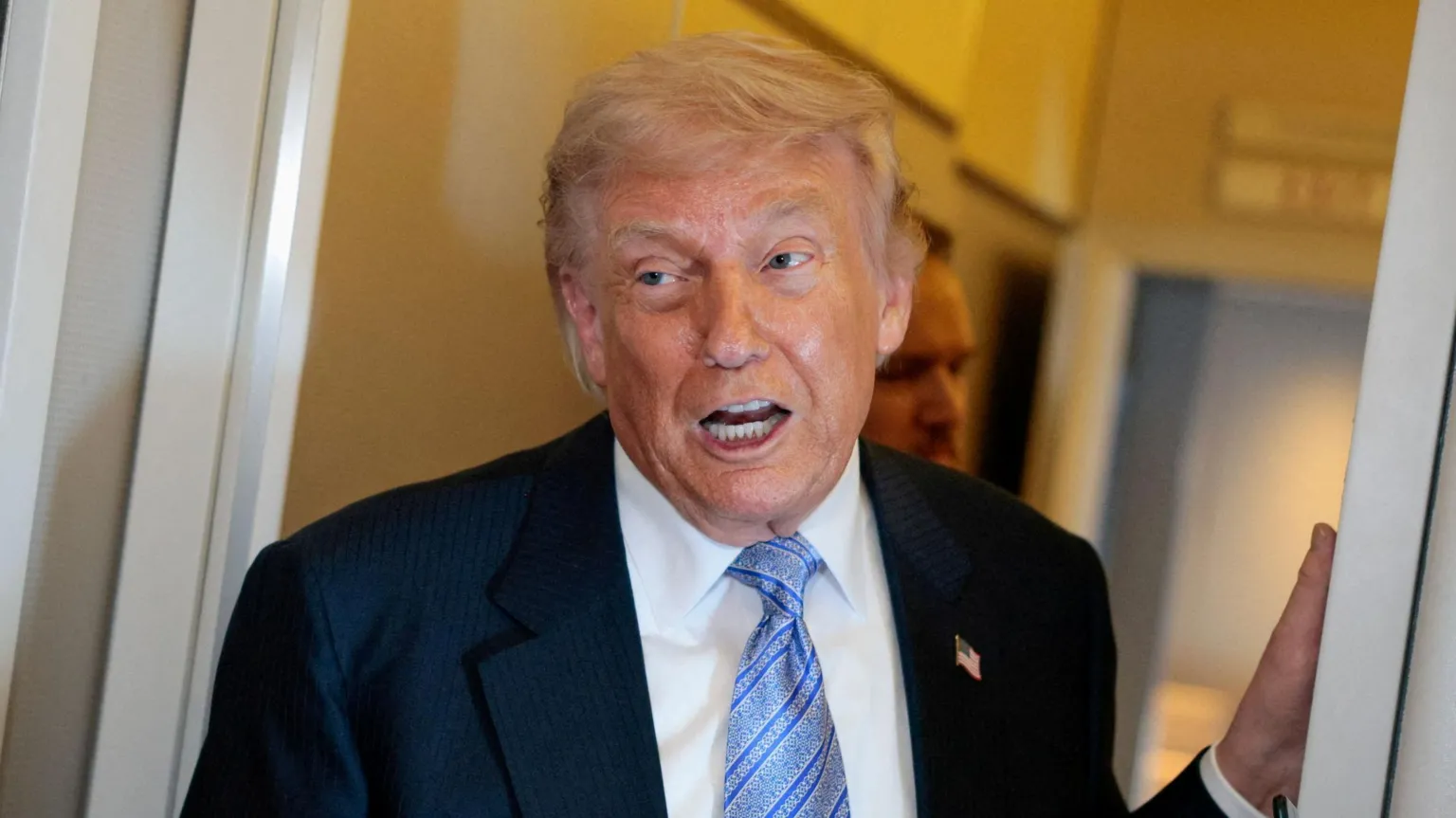
Oil prices experienced a significant surge on Thursday in Asia, following reports that the US military is preparing to brief President Donald Trump on new strategic plans concerning potential actions in relation to Iran. This development has heightened market anxieties regarding geopolitical stability in the Middle East.
US Military Options Under Consideration
According to news site Axios, the US Central Command (CENTCOM) has reportedly developed a plan for a series of “short and powerful” strikes on Iran. These proposed actions are said to be aimed at breaking the current deadlock in negotiations with Tehran. The BBC has reached out to both US Central Command and the White House for official comments on these reports.
The Axios report, citing anonymous sources, indicated that the proposed wave of strikes would likely target infrastructure within Iran. Furthermore, another plan under consideration reportedly focuses on gaining control over a segment of the Strait of Hormuz to facilitate its reopening for commercial shipping, a move that could potentially involve the deployment of ground troops.
Market Reaction and Energy Prices
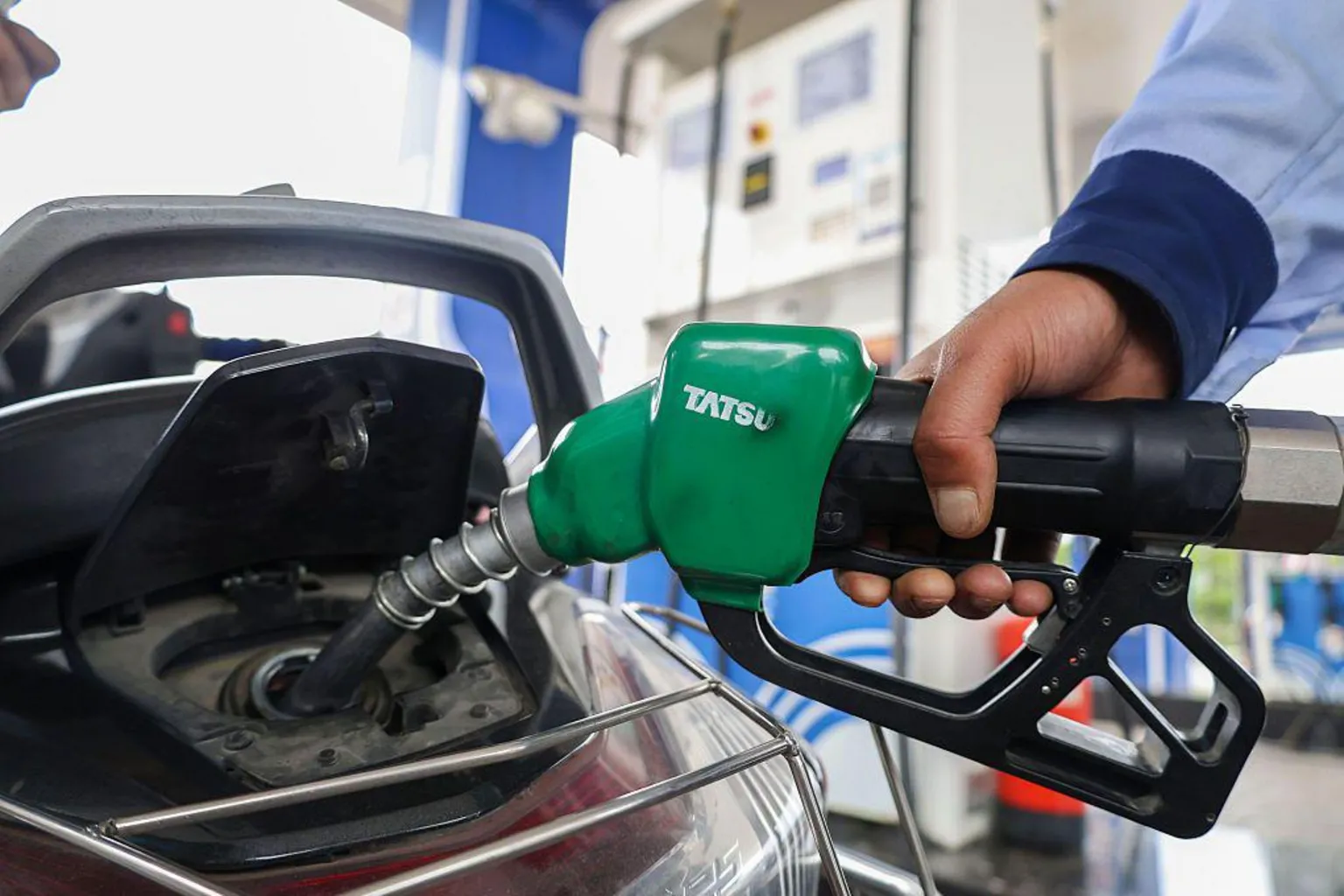
The news immediately impacted global energy markets. Brent crude saw a substantial rise of 4.5%, reaching $123.30 (£91.50) a barrel. This marks the highest price level observed since Russia’s full-scale invasion of Ukraine in 2022. Similarly, US-traded West Texas Intermediate (WTI) crude oil also climbed, increasing by 2.3% to approximately $109 a barrel.
Energy prices have been on an upward trend throughout the week, partly due to apparent stalls in peace talks and the continued effective closure of the crucial Strait of Hormuz waterway. The current Brent futures contract for June delivery is set to expire on Thursday, while the more actively traded July contract was up by about 2% at around $113 in morning Asian trade. (Futures contracts are agreements to buy or sell an asset at a set date.)
Strait of Hormuz: A Critical Chokepoint
The Strait of Hormuz remains a focal point of tension. The US has stated its intention to blockade Iranian ports if Tehran continues to threaten vessels attempting to use this vital waterway, a measure that would severely disrupt global energy shipments. In response, Iran has reportedly threatened to attack ships in the waterway, through which approximately one-fifth of the world’s energy supply typically passes, following what it described as US-Israeli airstrikes.
Concerns about an extended disruption to energy supplies have been further fueled by reports that Washington is preparing for an “extended” blockade of Iran, which led to a 6% surge in oil prices on Wednesday. Additionally, the BBC understands that energy executives met with President Trump on Tuesday to discuss strategies for limiting the war’s impact on US consumers.
#OilPrices #IranTensions #Geopolitics #StraitOfHormuz #EnergyMarket #CrudeOil #USForeignPolicy #MiddleEast #GlobalEconomy #MarketImpact





Leave a Reply