


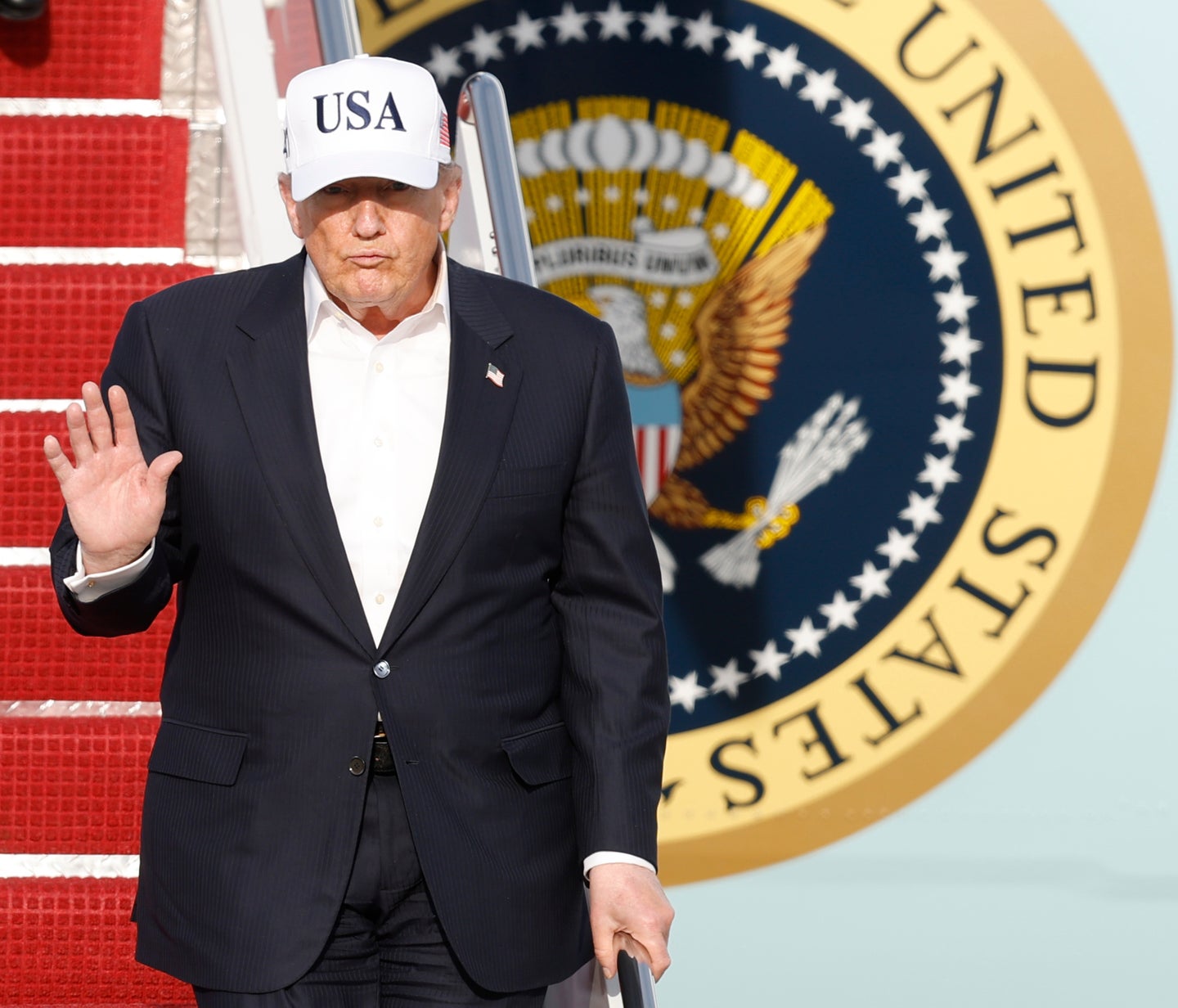
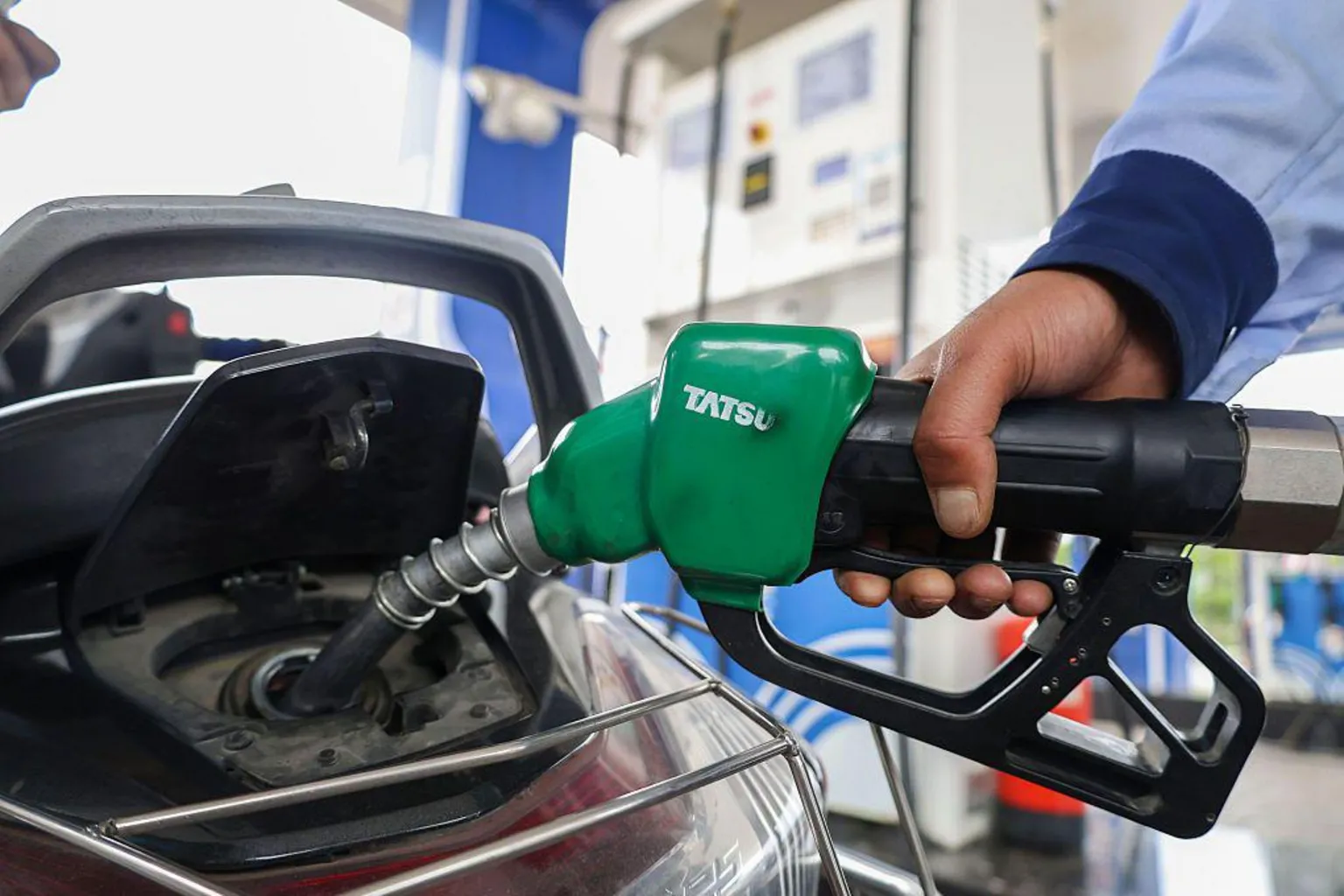
Oil prices have surged to their highest levels since 2022 following reports that the U.S. military is preparing to brief President Donald Trump on potential new strategies concerning the situation with Iran.
According to news site Axios, U.S. Central Command has reportedly developed a plan for a series of “short and powerful” strikes on Iran, aimed at resolving the stalemate in negotiations with Tehran. The BBC has reached out to U.S. Central Command and the White House for their comments.
Brent crude saw a significant increase, climbing by almost 7% to surpass $126 (£94) a barrel at one stage, marking its highest price since Russia’s full-scale invasion of Ukraine.
Energy prices have been on an upward trend this week, coinciding with apparent stalls in peace talks and the continued effective closure of the crucial Strait of Hormuz waterway.
The Axios report, citing anonymous sources, indicated that the proposed series of strikes would likely target infrastructure.
Axios also reported on an alternative plan that focuses on securing a portion of the Strait of Hormuz to facilitate its reopening for commercial shipping, noting that such an operation could involve ground troops.
U.S.-traded West Texas Intermediate (WTI) crude oil also experienced a rise, increasing by 2.3% to approximately $109 a barrel.
The current Brent futures contract for June delivery is set to expire on Thursday. The more actively traded July contract saw an increase of about 2%, reaching around $113 in morning Asian trade.
Futures contracts are defined as agreements to purchase or sell an asset at a predetermined future date.
Professor Yeow Hwee Chua, an economics professor at Nanyang Technological University, noted that oil traders have responded swiftly to the potential for further military actions in the Gulf region.
He further stated that even a minor possibility of conflict escalation could lead to “outsized implications” for global energy supplies.
The Strait of Hormuz: A Vital Waterway
The Strait of Hormuz is a narrow body of water situated between Iran, the United Arab Emirates (UAE), and Oman.
This waterway, which measures approximately 21 miles (33 km) at its narrowest point, connects the Gulf to the Gulf of Oman, establishing it as a critically important global shipping route.
Approximately 20% of the world’s oil and liquefied natural gas typically transits through the Strait of Hormuz.
This oil originates not only from Iran but also from other Gulf states including Iraq, Kuwait, Qatar, Saudi Arabia, and the UAE.
According to estimates from the U.S. Energy Information Administration (EIA), around 20 million barrels of oil passed through this waterway daily in 2025, representing nearly $600 billion (£447 billion) worth of energy trade annually.
Since the onset of the conflict, sea traffic in the region has been notably reduced.
The U.S. has stated its intention to blockade Iranian ports if Tehran continues to pose threats to vessels attempting to use the Strait of Hormuz, a move that would significantly disrupt global energy shipments.
Iran reportedly responded to U.S.-Israeli airstrikes by issuing threats to target ships in the waterway, a route through which approximately one-fifth of the world’s energy typically travels.
On Wednesday, oil prices had surged by 6% following reports suggesting that Washington was preparing for an “extended” blockade of Iran.
Naveen Das, a senior oil analyst at Kpler, commented, “It does seem as though escalation in the situation is back on the table, whether in the form of the U.S. continuing its blockade in Iran, or reports and rumors that, to resolve this predicament, Iran might initiate further actions.”
He informed the BBC’s Today programme that an oil price nearing $125 is the threshold where businesses and political figures “start to become a bit more uneasy.”
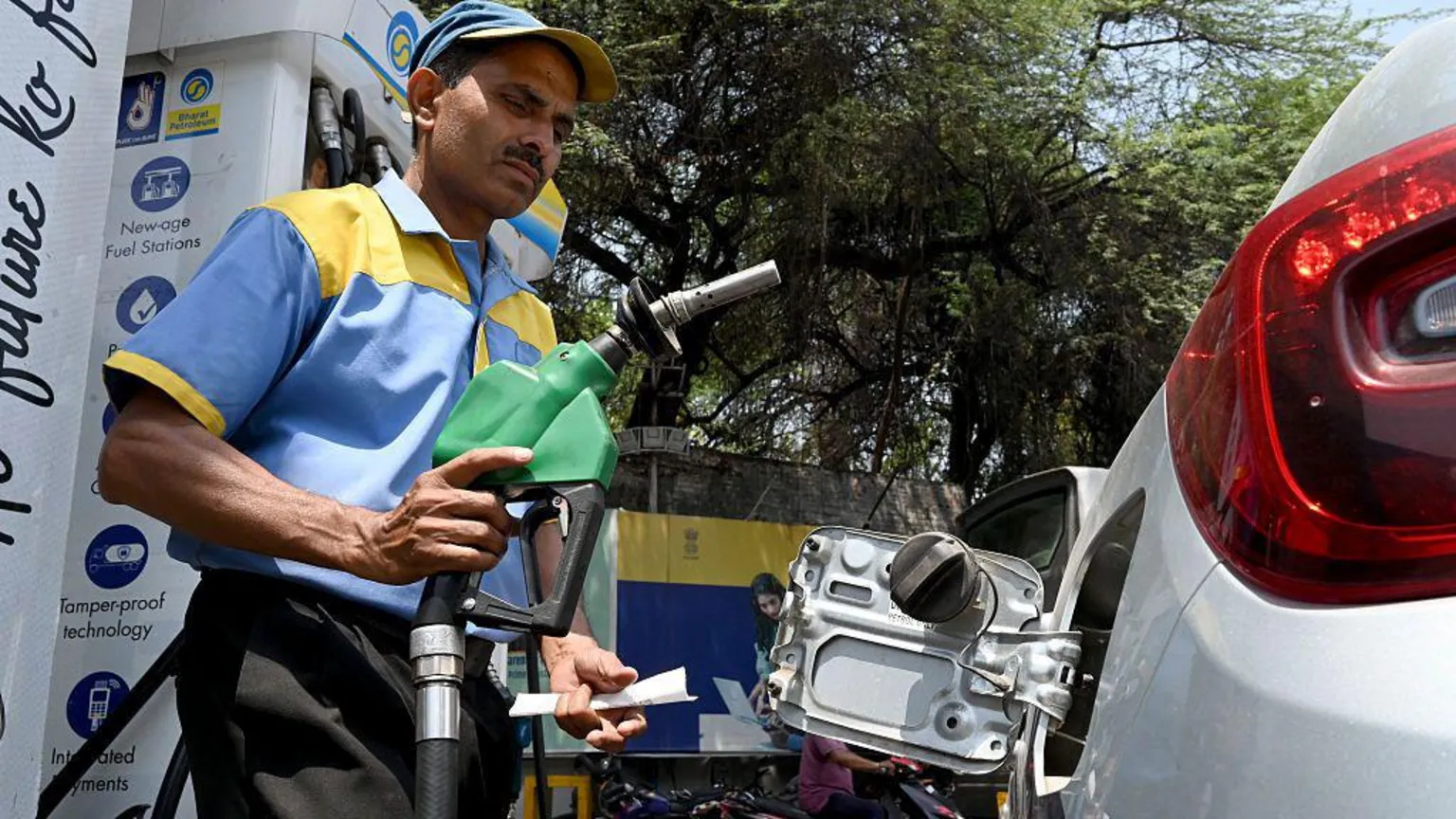
He added, “We might start seeing more headlines about efforts to de-escalate again,” explaining that the price increase “has a ripple effect not only on oil, but on oil-related products, inflation, and essentially every aspect of our daily lives.”
The BBC understands that energy executives met with Trump on Tuesday to discuss strategies for mitigating the impact of the situation on U.S. consumers, thereby fueling market concerns about a prolonged disruption to energy supplies.
Will Walker-Arnott, an investment manager at Raymond James, told the Today programme, “The significant question in my mind is how long the Trump administration can withstand the economic pressure.”
He added, “People are genuinely starting to be concerned about the inflationary impact stemming from the increase in oil prices.”
#OilPrices #BrentCrude #WTI #StraitOfHormuz #Iran #Geopolitics #EnergyMarket #GlobalEconomy #TrumpAdministration #MiddleEast




Leave a Reply