

US Federal Reserve Maintains Interest Rates Amid Global Economic Pressures
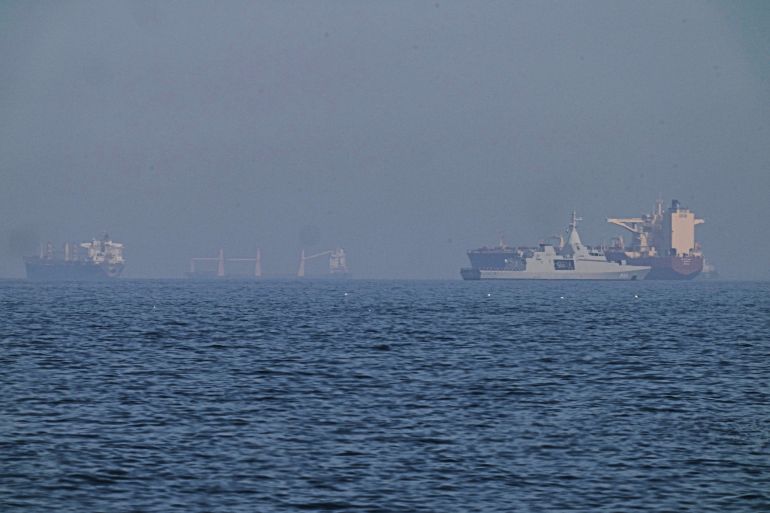
The United States Federal Reserve has announced its decision to keep interest rates steady at 3.5 to 3.75 percent. This move comes as the global economy faces significant headwinds from pressures on the labor market, persistent inflation, and the ongoing US-Israel conflict with Iran and subsequent retaliations.
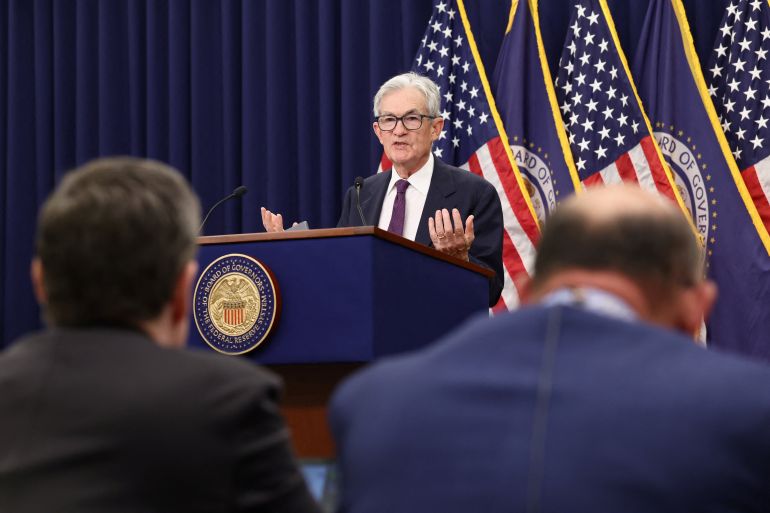
The central bank’s announcement on Wednesday concluded its latest two-day policy meeting, led by Fed Chair Jerome Powell. The decision largely aligned with economists’ expectations, with CME FedWatch indicating a 100 percent likelihood that rates would be maintained.
Divisions Within the Fed on Future Policy
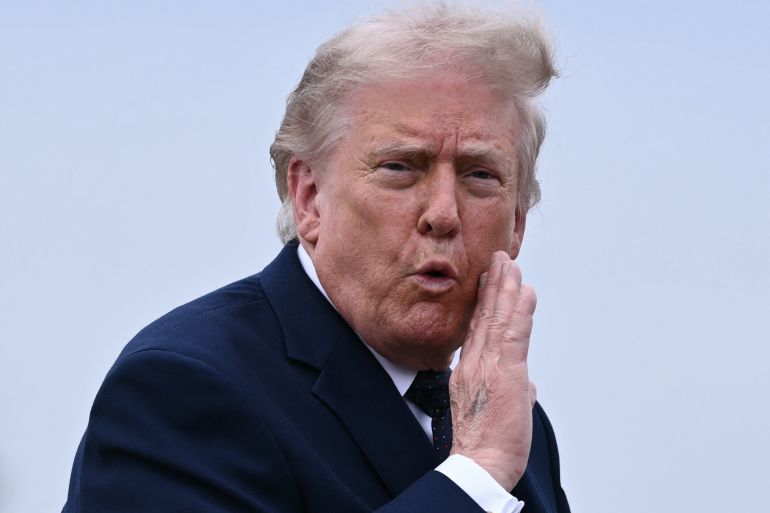
While eight officials voted to maintain the current rates, the meeting revealed notable internal divisions. Three officials dissented, advocating for the removal of any reference to a future rate cut, suggesting a more hawkish stance. A fourth official, Stephen Miran, an appointee of former US President Donald Trump, went further by dissenting in favor of an immediate rate cut. This marks the highest number of dissents at the central bank since October 1992.
Rachel Ziemba, an adjunct senior fellow at the Center for a New American Security, noted to Al Jazeera, “Three members resisted including an easing bias, suggesting more divides in the central bank ahead.”
Inflationary Concerns and Stagnant Labor Market
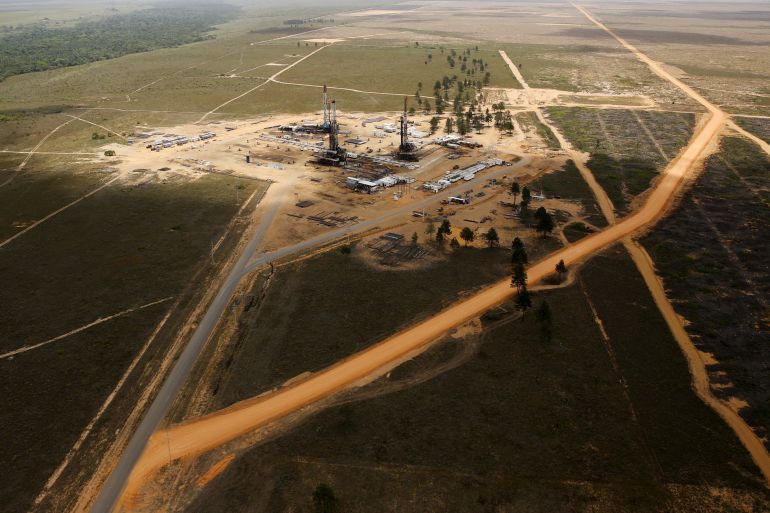
The Fed’s decision-making process has been heavily influenced by looming inflationary pressures in oil markets and a largely stagnant labor market. In its statement, the Fed acknowledged, “Developments in the Middle East are contributing to a high level of uncertainty about the economic outlook,” and added that “Inflation is elevated, in part reflecting the recent increase in global energy prices.”
On Wednesday, crude oil prices surged, with US crude rising 7.31 percent to $107.24 a barrel and Brent crude up 7.26 percent at $119.34, reaching its highest point since 2022. For consumers, petrol prices continue to climb, with the average price for a gallon reaching $4.22, up from $2.98 on February 28, when the US and Israel reportedly attacked Iran.
Regarding employment, the central bank stated, “Job gains have remained low, on average, and the unemployment rate has changed little in recent months.” Recent data from the Job Openings and Labor Turnover Survey showed minimal change in job openings and voluntary departures. The latest jobs report indicated the US economy added 178,000 jobs in March, following a loss of 92,000 jobs in February.
Chair Powell attributed the slowing pace of job growth partly to a decline in labor force participation and lower immigration, though he noted that other labor market indicators show little recent change.
Political Undercurrents and Powell’s Future
The rate decision coincides with significant political developments. Kevin Warsh, nominated by Donald Trump to potentially succeed Jerome Powell, was confirmed by the Senate Banking Committee, advancing his candidacy. Powell publicly congratulated Warsh.
Warsh’s confirmation process was initially complicated by Senator Thom Tillis’s refusal to confirm Trump nominees until a Department of Justice probe into Powell was dropped, which it subsequently was last week. Warsh, a former Fed Governor, has been a vocal supporter of Trump’s economic policies, including his “deregulatory agenda.”
Despite potential changes in leadership, Powell affirmed his commitment to remain on the Fed’s Board of Governors until his investigation is fully concluded, citing concerns about political influence on the central bank’s independence. He stated, “I worry these attacks are battering the institution and putting at risk the thing that matters to the public, which is the ability to conduct monetary policy without taking into consideration political factors.” Powell, who had planned to retire, indicated that recent events compelled him to stay longer to ensure the institution’s integrity.
Market Reaction
Following the Fed’s decision, US markets saw a downward trend in midday trading, with the Nasdaq down 0.1 percent, the Dow Jones Industrial Average tumbling by 0.7 percent, and the S&P 500 declining by 0.25 percent.
#USFed #InterestRates #JeromePowell #MonetaryPolicy #Inflation #LaborMarket #GlobalEconomy #OilPrices #FederalReserve #EconomicOutlook




Leave a Reply