

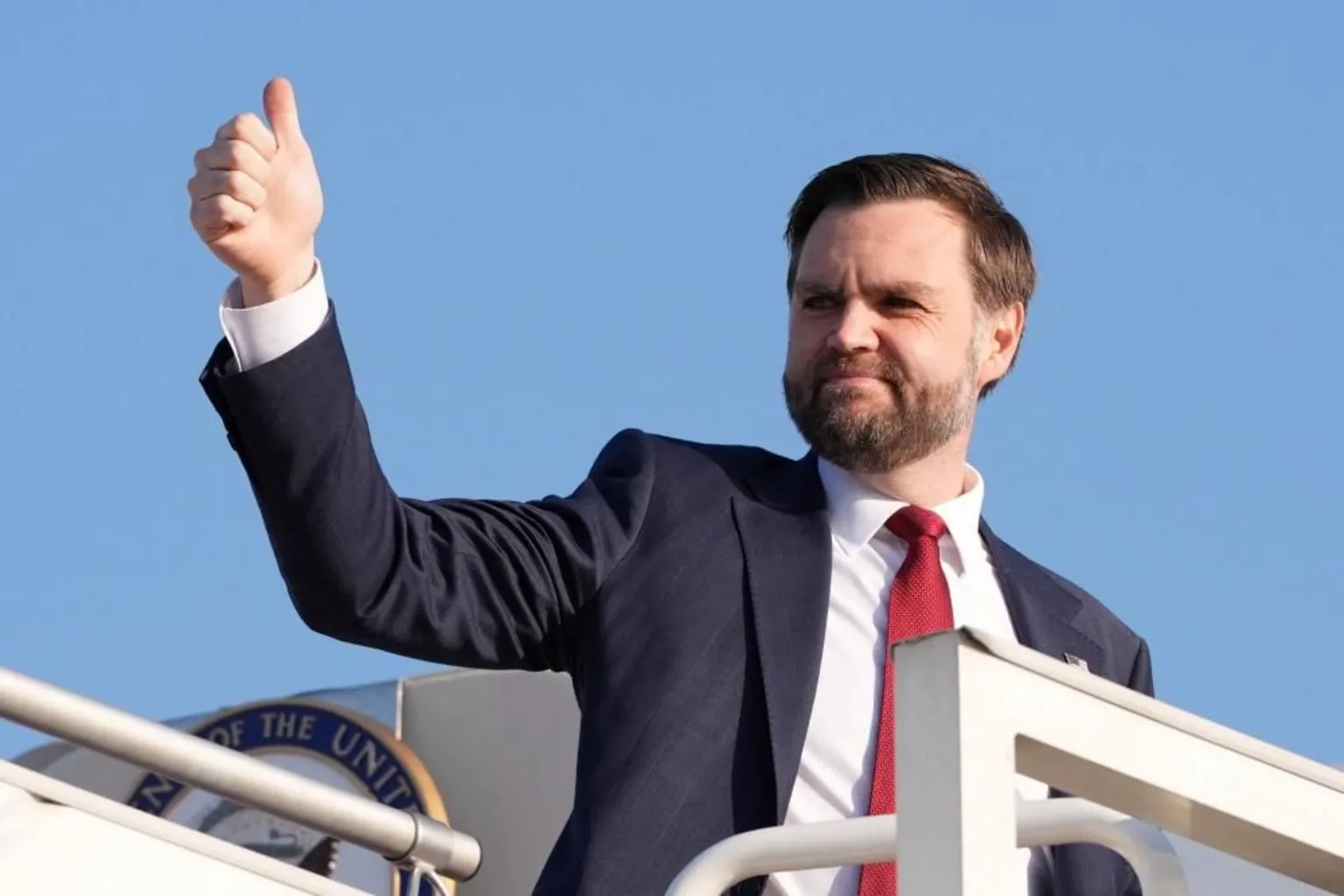
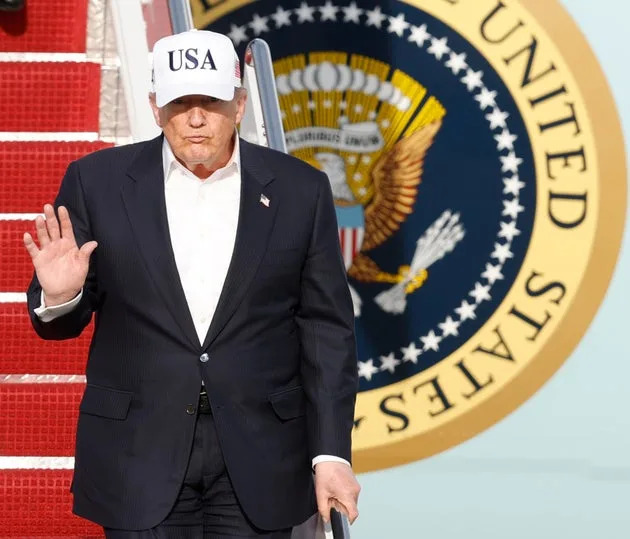
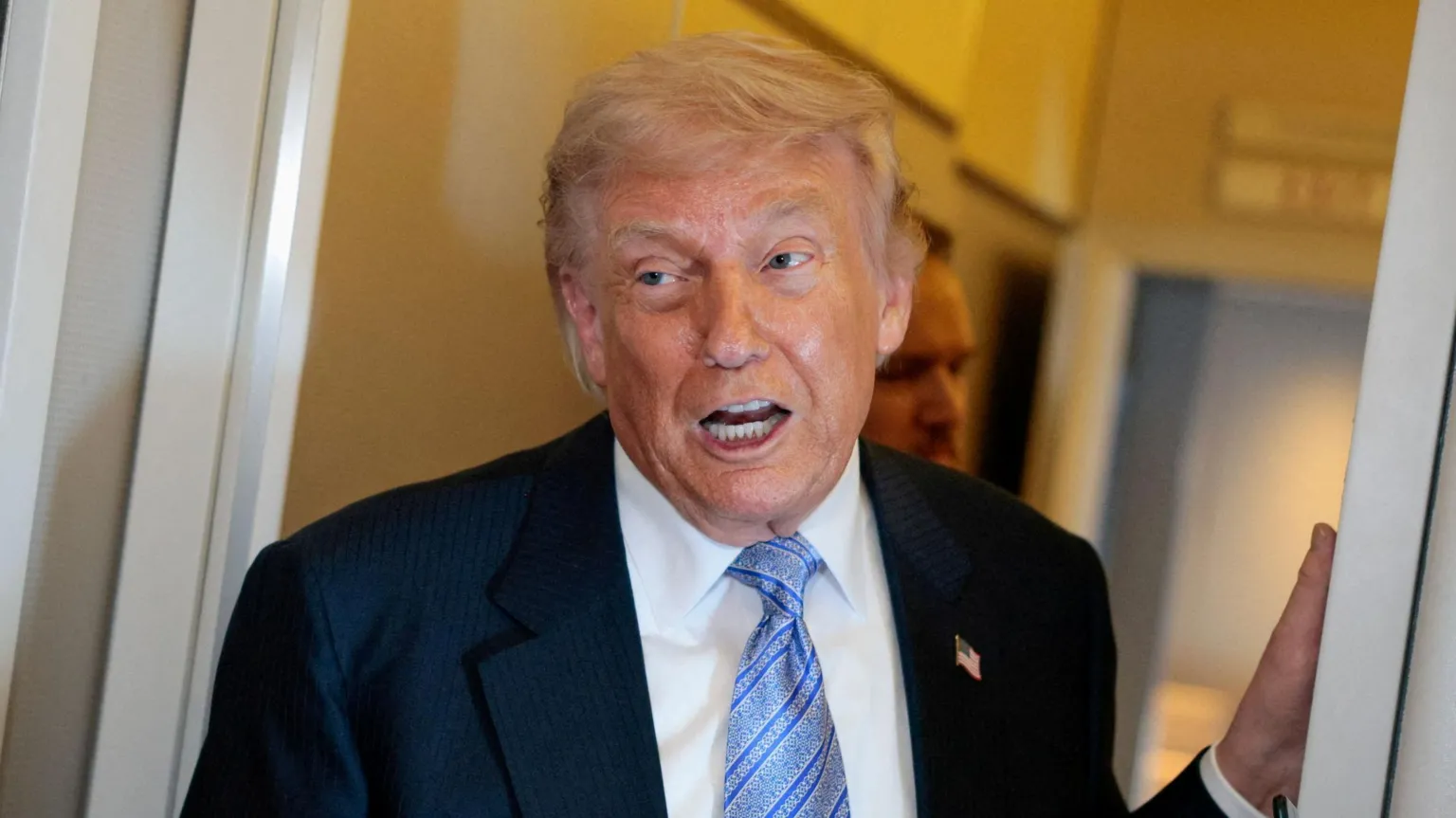
US Vice-President JD Vance returned from Islamabad on Sunday, offering no immediate comments after high-stakes negotiations aimed at ending the conflict in Iran concluded without a significant breakthrough. The extent of any progress made during these highest-level diplomatic talks between the US and Iran in decades remained uncertain. Following 21 hours of intense discussions in the Pakistani capital, Washington and Tehran reportedly remain deeply divided on crucial issues, notably Iran’s nuclear program. A US official, speaking anonymously, revealed that no consensus was reached regarding the disposition of Iran’s enriched uranium. Additional unresolved matters, according to the official, encompass the toll-free reopening of the Strait of Hormuz – a key objective for President Donald Trump – and securing Iran’s commitment to cease funding proxy organizations such as Hezbollah and Hamas. Vice-President Vance presented Tehran with a final offer during Saturday’s discussions, though specific details were not disclosed by the US official. Despite the lack of a breakthrough, the meeting was not entirely unproductive. The US official characterized the talks as tough yet friendly, with both sides exchanging constructive proposals. Vance departed Islamabad believing Iran was overplaying its position, yet he remained optimistic that an agreement could still be forged, the official added. Iranian President Masoud Pezeshkian stated that a deal with the US “will certainly be found” if “the American government abandons its totalitarianism and respects the rights of the Iranian nation.” President Trump, on Sunday, expressed his clear dissatisfaction with the lack of progress. In social media posts, Trump declared that the US would impose an immediate blockade on the Strait of Hormuz to compel Iran towards an agreement. The US military subsequently announced its intention to halt all maritime traffic to and from Iranian ports starting Monday morning. Despite a temporary two-week ceasefire agreed upon last week, Trump’s latest Truth Social posts warned that “at an appropriate moment, we are fully ‘LOCKED AND LOADED,’ and our Military will finish up the little that is left of Iran.” Mohammad Bagher Ghalibaf, the speaker of Iran’s parliament and head of Tehran’s delegation in Islamabad, appeared undeterred by Trump’s aggressive rhetoric in a statement issued upon his return. Iranian media reported Ghalibaf’s direct message to the US president: “if you fight, we will fight, if you come forward with logic, we will respond with logic.” He further asserted, “We will not submit to any threat. If they test our resolve once more, we will teach them an even greater lesson.” This exchange of rhetoric highlights the significant chasm separating the two nations and the numerous hurdles still impeding a comprehensive peace agreement to end the war. These negotiations served as a crucial test for the 41-year-old Vance, personally selected by Trump to lead a US delegation that also included special envoy Steve Witkoff and the president’s son-in-law, Jared Kushner. Vance arrived in Islamabad on Friday with the mandate to de-escalate what has evolved into the most significant foreign policy crisis of Trump’s second term. The six-week-long conflict has destabilized the Middle East and caused a sharp increase in global oil prices. This proved a challenging mission for Vance, given he was negotiating for a president who has consistently delivered mixed messages regarding the conflict. In early April, Trump had light-heartedly remarked that he would assign blame to the Vice-President if talks failed, but claim credit if a peace deal was achieved. Although Vance has publicly supported the war, reports suggest he has privately voiced skepticism about the military campaign to Trump. Vance has historically advocated for an anti-interventionist stance, a position generally favored by Trump’s core ‘Make America Great Again’ base. The negotiations were closely scrutinized for indications of how Vance might approach foreign policy, particularly in anticipation of a potential 2028 presidential bid. Concurrently, as Vance led discussions in Islamabad, Trump was observed watching a UFC fight in Miami, Florida, accompanied by Secretary of State Marco Rubio, another speculated 2028 contender and potential rival to Vance. As the two-week truce deadline approaches this month, time is running out. A breakthrough, however, remains as elusive as ever, with the two-week truce deadline fast approaching this month.
#USIranTalks #MiddleEastCrisis #NuclearDeal #StraitOfHormuz #JDVance #DonaldTrump #IranWar #Diplomacy #Geopolitics #Ceasefire


Leave a Reply