

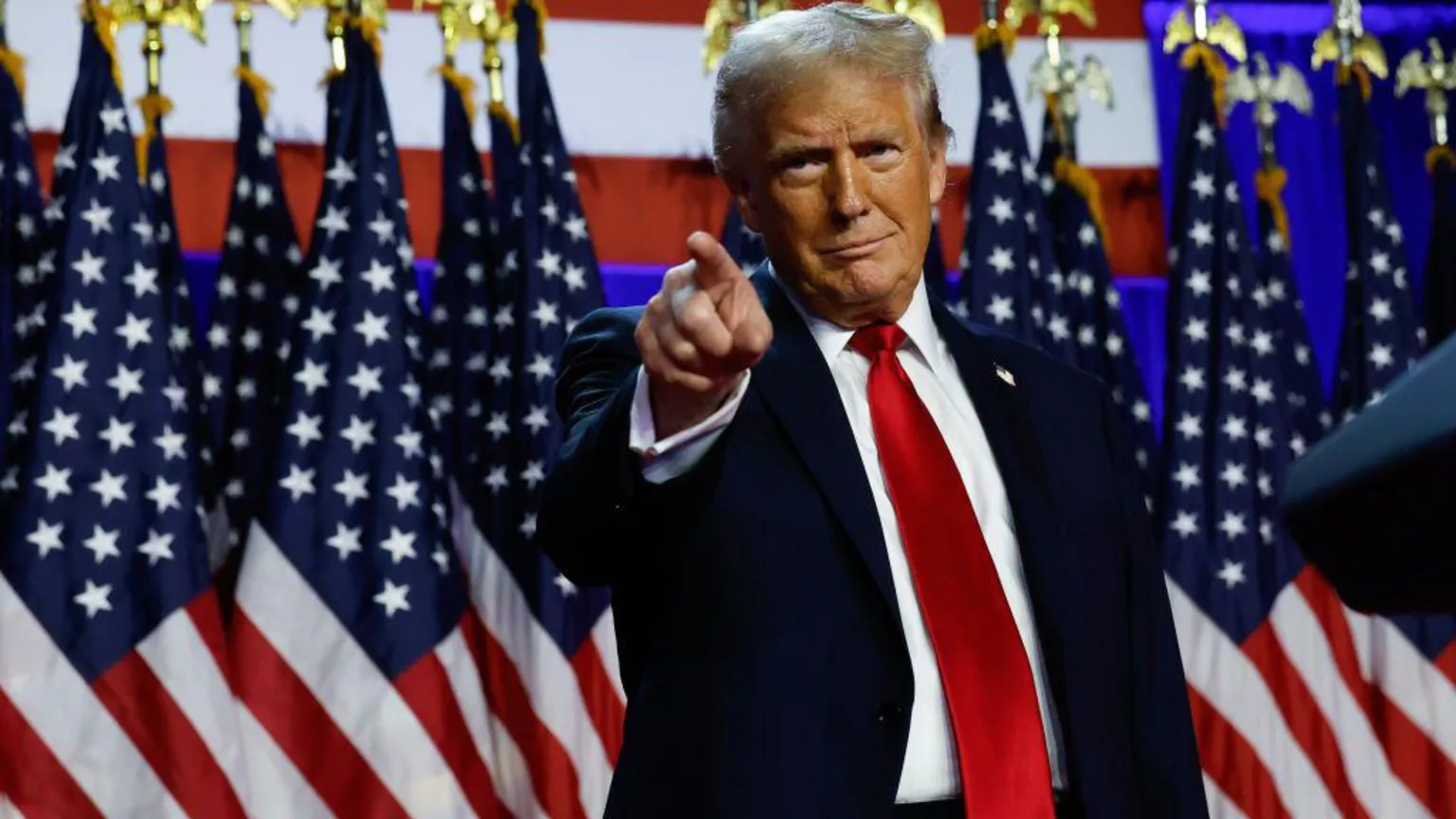
A conflict involving US strikes in Iran, which Donald Trump once predicted would last no longer than six weeks, has now entered its third month. This conflict has triggered a global energy shock comparable to the oil crises of the 1970s, leading to increased prices for various goods, from fuel to groceries. Despite placing additional pressure on American consumers, the latest GDP figures released this week indicated that the economy performed robustly in the first three months of 2026. With America’s first-quarter growth figures providing a positive outlook, this analysis examines how key US economic indicators are shaping up for the president, especially with midterm elections approaching in November and no clear end in sight for the ongoing conflict.
Economic Growth Amidst Challenges
In the lead-up to the midterm elections, President Trump is expected to highlight recent growth figures to affirm his economic strategy. Official statistics reveal that the economy expanded by 2% on an annualised basis in the first quarter of 2026, marking a notable recovery after a slowdown in late 2025. This growth occurred despite consumer pressures from US tariffs, which contributed to higher prices for American shoppers, and the new energy shock resulting from the conflict in Iran. Economists noted that the impact on consumers was less severe than anticipated, with consumption growing by 1.6% annually. However, they also attributed the overall growth surge to substantial investments by tech giants in artificial intelligence (AI) deployment. James Knightley, Chief International Economist at ING, commented that as consumer spending moderates, “investment linked to tech and AI has clearly become the main engine of growth in the US.”
Cost of Living: A Key Electoral Factor
The upcoming November elections are finely balanced, with the Republican party’s success largely tied to the enduring political mantra: “It’s the economy, stupid.” While overall growth figures are positive, voters are often more swayed by the cost of living. Actions related to the conflict and the subsequent closure of the Strait of Hormuz have pushed oil prices upwards. Brent crude, a significant oil benchmark, reached a four-year high of $126 on Thursday, though it has since receded to $111. This is notably higher than the approximately $73 per barrel before the conflict began in late February. Consequently, Americans were paying an average of $4.30 (£3.17) for a gallon of fuel by the end of April, a significant increase from under $3 in February, according to American Automobile Association data. This surge contributed to a sharp rise in inflation, with March’s average annual price increase reaching 3.3%, a near two-year peak and a substantial jump from February’s 2.4%.
Interest Rates and Monetary Policy
The repercussions of the conflict, particularly March’s inflation data, have diminished expectations for an immediate interest rate cut by the Federal Reserve. The central bank maintained its base rate, which influences mortgage and other borrowing costs for Americans, at the 3.5% to 3.75% range on Wednesday. Prior to the conflict, economists had anticipated a series of rate reductions. Since the commencement of US strikes, the average interest rate for a 30-year mortgage has increased from 5.98% to 6.3%, as per Freddie Mac data. Samuel Tombs, Chief US Economist at Pantheon Macroeconomics, suggested that elevated oil prices and the expectation of a sustained US presence impacting Iranian ports could delay rate cuts until 2027.
Stock Market Resilience
Despite the prevailing uncertainties, Americans invested in the stock market have generally seen positive outcomes during the conflict. Major US indices—the S&P 500, the Dow Jones Industrial Average, and the Nasdaq Composite—have not only recovered early losses but have also resumed their pre-conflict upward trends. The Nasdaq has seen approximately a 10% gain since the conflict’s onset, the S&P is about 5% higher, and the Dow has increased by just over 1%. These gains are favorable for investors and also benefit individuals with pension funds, such as 401ks, linked to stock performance.
Data from Bloomberg indicates that the US S&P 500 index, which had hovered between 6,800 and 7,000 points until late February when US and Israel strikes in Iran commenced, experienced a drop in March, falling below 6,400. However, it has since rebounded above pre-conflict levels to 7,209 by April 30th.
With the Republicans facing the prospect of losing control of the House and potentially the Senate, the November elections will be heavily influenced by the economic situation when voters cast their ballots. While strong GDP growth and a rallying stock market may offer some reassurance to Republican strategists, the rising cost of living remains a significant concern. The extent of President Trump’s future actions will largely depend on the trajectory of the conflict, particularly regarding the reopening of the Strait of Hormuz and its impact on fuel and grocery prices for American voters.
#USEconomy #MidtermElections #Inflation #CostOfLiving #StockMarket #InterestRates #EnergyPrices #AIInvestment #EconomicIndicators #USPolitics









Leave a Reply