


Donald Trump’s temporary halt of “Project Freedom,” an initiative aimed at guiding ships through the Strait of Hormuz, initially spurred optimism. He claimed progress had been made towards a “Complete and Final Agreement” with Iran, which momentarily calmed oil markets and raised hopes for a diplomatic breakthrough.
Initial Hopes and Subsequent Reversal
However, these expectations were soon tempered by the US president’s own statements. On Wednesday, Iran indicated it was reviewing a new proposal from Washington. This followed reports in US media, citing unnamed American officials, suggesting both sides were nearing a one-page memorandum to conclude the conflict in the Gulf. A source close to mediators in Pakistan told Reuters, “We will close this very soon. We are getting close.”
Despite posting on Truth Social on Tuesday evening about suspending Project Freedom to facilitate the finalization and signing of an agreement, Trump’s tone abruptly shifted. By Wednesday morning, he described an Iran deal as a “big assumption,” warning that if an agreement was not reached, bombing would resume at “a much higher level and intensity than it was before.” This statement came less than 24 hours after US Secretary of State Marco Rubio declared the end of Operation Epic Fury, American-led military strikes against Iran.
Later on Wednesday, Trump expressed optimism about an Iran deal during a brief call with PBS, yet acknowledged past difficulties: “I felt that way before with them. So we’ll see what happens.” He also indicated it was “unlikely” he would send US envoys for a second round of peace talks in Islamabad, Pakistan.
Details of the Proposed Agreement and Divergent Views
Reports from Axios and Reuters suggested Washington and Tehran were approaching a one-page, 14-point memorandum designed to end the conflict. This plan reportedly aimed to cease hostilities, followed by discussions to unblock the Strait of Hormuz, lift sanctions, and address Iran’s nuclear ambitions. However, Axios also noted skepticism among some US officials regarding the deal’s viability and the potential for approval within Iran’s leadership factions.
Iranian parliamentarian Ebrahim Rezaei, spokesperson for Iran’s National Security and Foreign Policy Commission, stated on X that the 14 points reported by Axios constituted a US “wish list.” He emphasized that Iran “has its finger on the trigger and is ready” if the Americans did not “grant the necessary concessions.”
Expert Perspectives and Ongoing Challenges
Foreign policy experts in the US also urged caution. Grant Rumley, a former Middle East policy adviser, told the BBC, “Clearly, the administration thinks a deal is possible, given the way they publicly rolled out Project Freedom only to suddenly pause it hours later.” He added, “But we have been here before, and we’ve seen negotiations collapse at the last minute for a variety of reasons.”
Trump has consistently asserted that Iran has agreed to US demands and that a deal was imminent since a ceasefire was announced on April 7. On April 17, he claimed to CBS that Iran had “agreed to everything” and would permit the US to remove its enriched uranium – a claim that officials in Tehran categorically rejected. On Wednesday, Trump reiterated, “They want to make a deal, they want to negotiate,” adding, “And we’ll see whether or not they are agreeing.”
Rumley further commented that even a one-page memorandum would be “highly unlikely” to resolve all issues, particularly given the complex technical aspects of an agreement concerning Iran’s nuclear materials. He noted that during the Obama administration, it took over 20 months to finalize the details of an Iran nuclear deal.
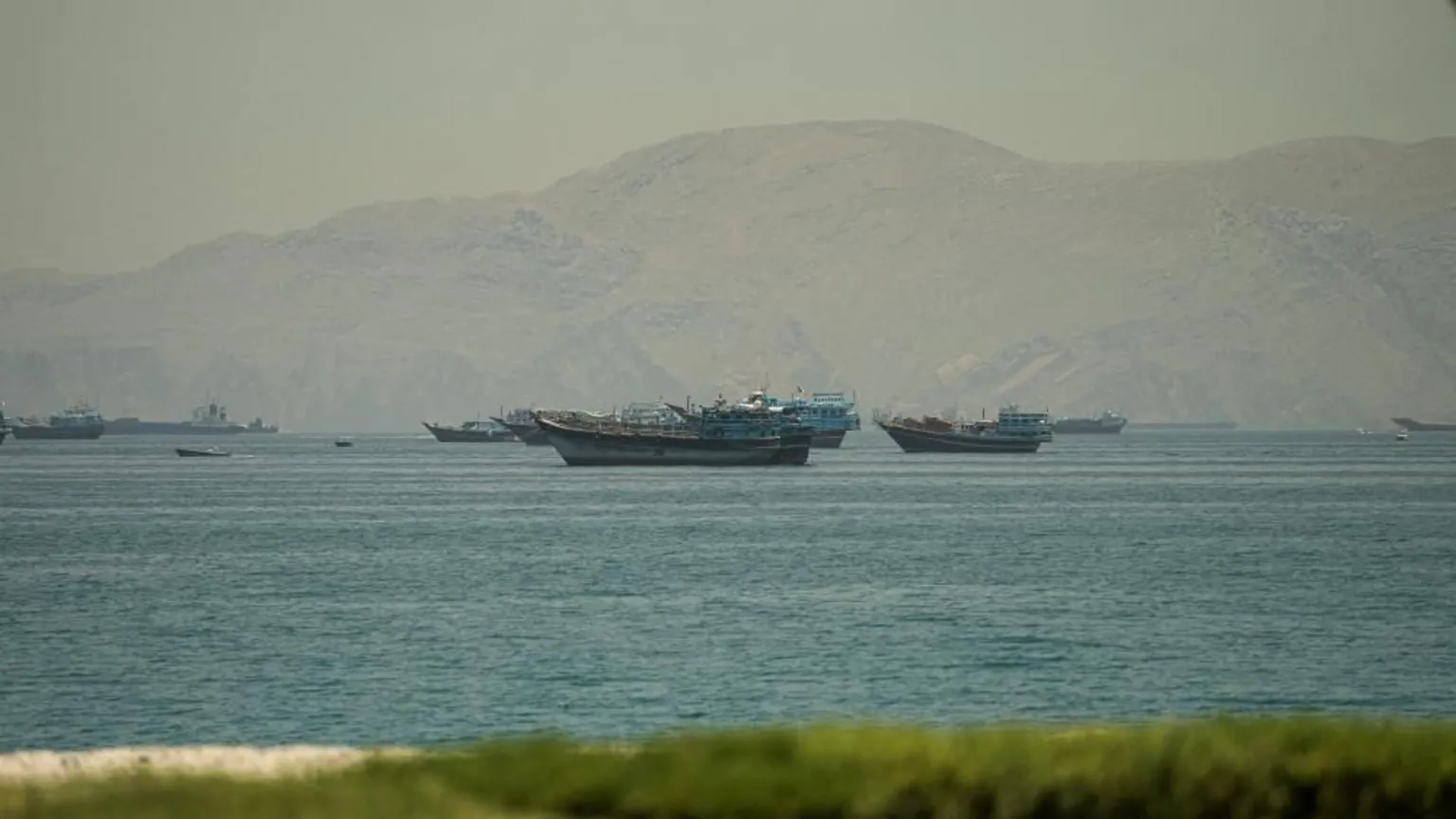
Shipping experts observed that Project Freedom, launched on Sunday, had limited impact initially, with only a few ships transiting the strait. Ali Vaez, Iran project director for the International Crisis Group, suggested to the BBC that Iran’s response to the operation—including firing at ships and launching attacks in the UAE—likely convinced Trump it “was not going to solve the problem.” Vaez criticized the administration’s policy process, stating, “The president makes decisions based on impulse more than process, therefore there are inconsistencies that happen all the time.”
Mick Mulroy, a former Pentagon official, highlighted the ambiguity surrounding the pause in Project Freedom, stating, “It’s unclear if the pause in Project Freedom was because of this one-page memorandum or because the 1,500 ships currently stuck behind the [Strait of Hormuz] wouldn’t transit even with the US security umbrella.” He added, “Iran is likely trying to determine that as well.”
#IranDeal #USIranRelations #StraitOfHormuz #ProjectFreedom #Diplomacy #MiddleEastPeace #NuclearDeal #TrumpAdministration #InternationalRelations #Geopolitics







Leave a Reply