

US President Donald Trump has stated that the month-long ceasefire between the US and Iran is on “massive life support.” Speaking to reporters in the Oval Office on Monday, he described the ceasefire as “unbelievably weak” despite remaining in place.
Iran’s Proposal and US Rejection
Iran presented its demands to end the conflict and reopen the Strait of Hormuz in a counter-offer sent to the US on Sunday. Trump rejected the proposal, calling it “totally unacceptable” and a “piece of garbage.” In response, Esmail Baghaei, a foreign ministry spokesperson for Iran, asserted that Tehran’s proposals were “responsible” and “generous.”
Tehran’s offer reportedly includes an immediate end to the conflict on all fronts – referencing ongoing Israeli actions against Iran-supported Hezbollah in Lebanon – a halt to the US naval blockade of Iranian ports, and guarantees against further attacks on Iran, according to Iran’s semi-official Tasnim news agency. It also reportedly seeks compensation for war damage and emphasizes Iranian sovereignty over the Strait of Hormuz.
Trump criticized the proposal on Truth Social, writing: “I have just read the response from Iran’s so-called ‘Representatives.’ I don’t like it – TOTALLY UNACCEPTABLE.” Baghaei responded that Iran would act “in any way necessary to secure our interests.”
Ceasefire Status and Trump’s Comments
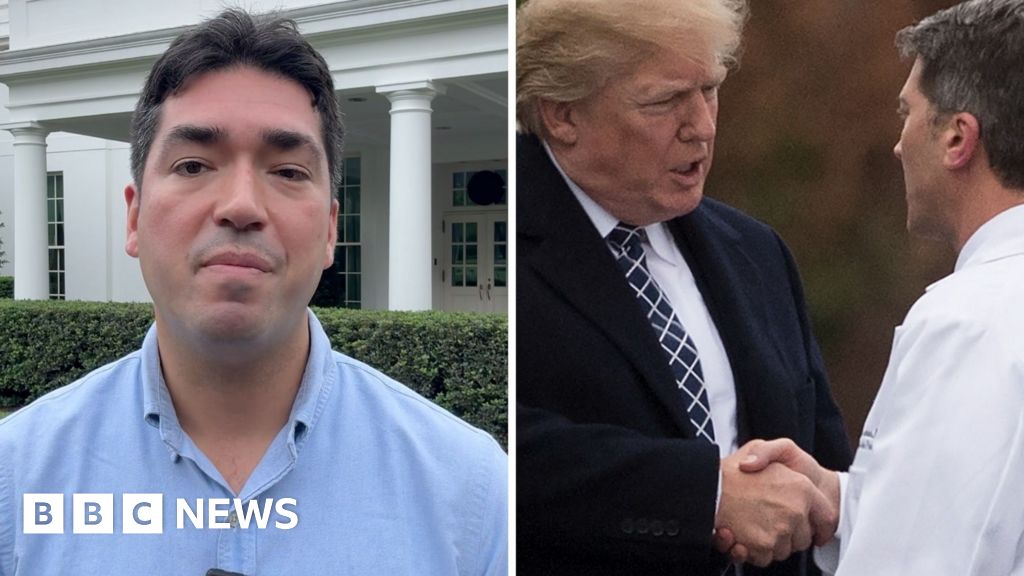
Later on Monday, Trump addressed the ceasefire, which has largely been observed since April despite occasional exchanges of fire. He told reporters: “I would say the ceasefire is on massive life support… when the doctor walks in and says, ‘Sir, your loved one has approximately a 1 percent chance of living’.”
The US president characterized Iran’s leaders as “very dishonourable people,” adding: “Look, I’ve had to deal with them four or five times – they change their mind.” He further stated: “That piece of garbage they sent us – I didn’t even finish reading it.”
Trump also accused Iran of reneging on an agreement to allow the US to remove its supply of enriched uranium, insisting that Iran would “never have a nuclear weapon.” However, Iran’s Tasnim news agency quoted a source close to the negotiating team as saying: “There is no such thing in Iran’s proposal as accepting taking out enriched nuclear material.”
Significance of the Strait of Hormuz
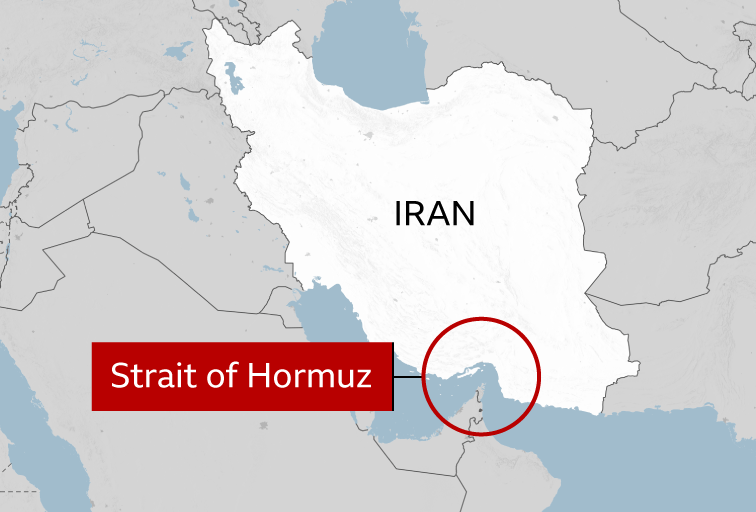
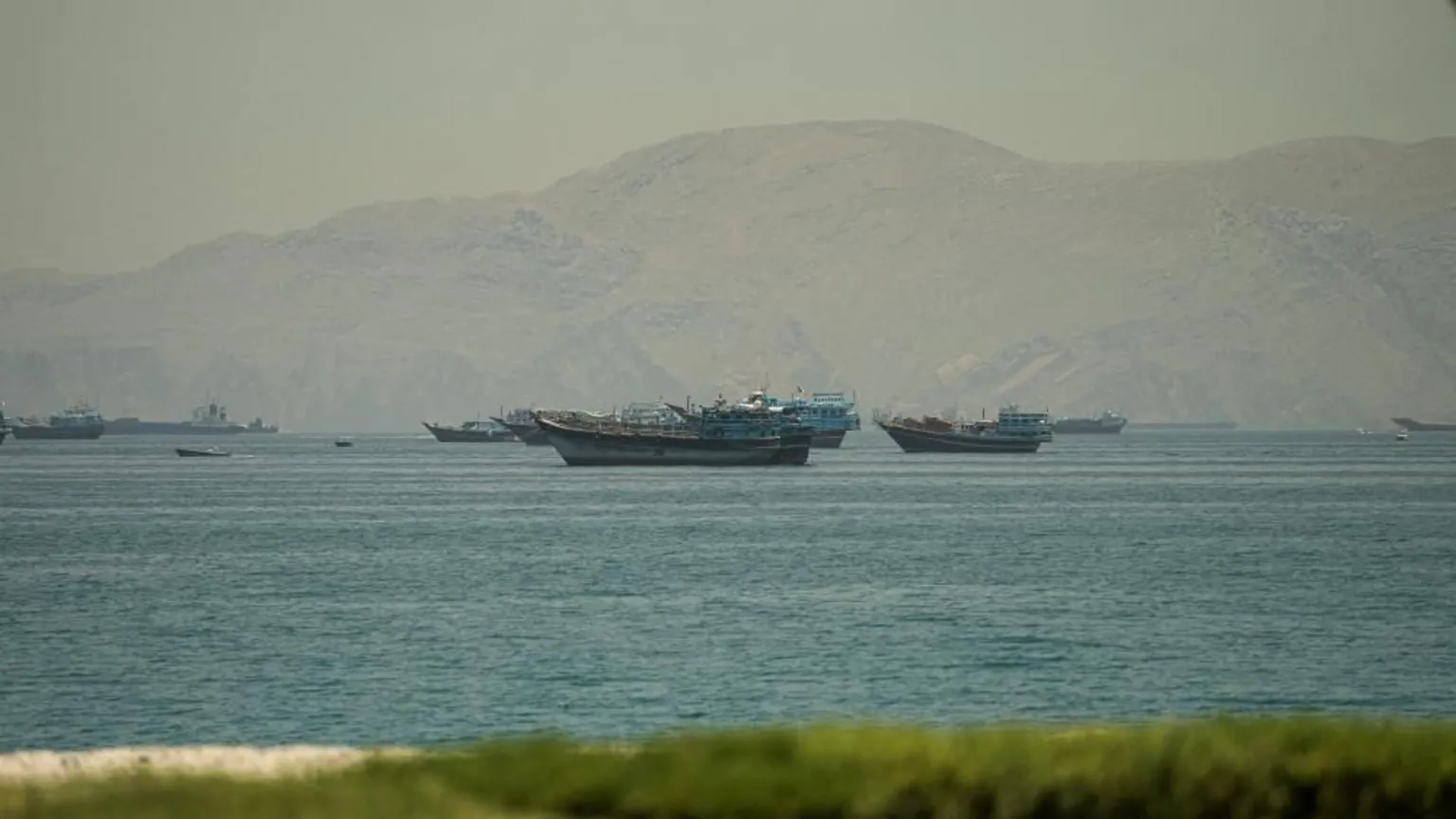
The Strait of Hormuz is a narrow waterway located between Iran, the United Arab Emirates (UAE), and Oman. This vital global shipping route, approximately 21 miles (33 km) at its narrowest point, connects the Gulf to the Gulf of Oman. Roughly 20% of the world’s oil and liquefied natural gas typically passes through the Strait of Hormuz, originating from Iran and other Gulf states such as Iraq, Kuwait, Qatar, Saudi Arabia, and the UAE. In 2025, an estimated 20 million barrels of oil passed through the waterway daily, representing nearly $600 billion (£447 billion) in energy trade annually. Sea traffic has significantly decreased since the conflict began.
Ongoing Tensions and Proposals
Earlier this week, Trump reiterated that the conflict in Iran would be “over quickly.” Conversely, Israeli Prime Minister Benjamin Netanyahu stated that Iran’s stockpile of enriched uranium must be “taken out” before the conflict can be considered over, adding: “There’s still enrichment sites that have to be dismantled.”
US news outlet Axios reported that an initial one-page, 14-point US memorandum includes provisions such as a suspension of Iranian nuclear enrichment, the lifting of sanctions, and restoring free transit through the Strait of Hormuz. Citing unnamed US officials and other sources briefed on the issues, Axios reported that many terms in the memo would be contingent on a final agreement.
Iran has continued to block the Strait of Hormuz, contributing to a rise in global oil prices. The US, in turn, has been enforcing a blockade of Iranian ports to pressure Tehran into accepting its terms, a move that has drawn strong condemnation from Iran. Massive air strikes by Israeli and US forces on Iran began on February 28, with a ceasefire coming into effect last month.
#IranCeasefire #USIranRelations #StraitOfHormuz #MiddleEastDiplomacy #GlobalEnergy #TrumpAdministration #InternationalRelations #Geopolitics #NuclearNegotiations #PeaceEfforts







Leave a Reply