


The Pentagon has updated its estimated cost for the conflict with Iran, now stating that the war has cost the United States $29 billion. This new figure was disclosed by the department’s comptroller, Jules Hurst, during a Senate committee hearing on Tuesday, attended by Pentagon chief Pete Hegseth. The latest estimate marks an increase from the $25 billion Hurst had previously reported to Congress members in late April, when the Trump administration first provided an official cost assessment for the conflict.
However, several experts have voiced skepticism regarding the Pentagon’s accounting, suggesting that the actual financial burden on US taxpayers is likely to be considerably higher than the publicly stated figures. Hurst attributed the rise in the estimate to “updated repair and replacement of equipment” and “general operational costs.”
The United States and Israel initiated the war against Iran on February 28. Since April 8, a ceasefire has largely paused the fighting, despite a few isolated flare-ups. The administration has yet to provide a clear picture of the damage sustained at US military installations across the Middle East, nor has it fully revealed the impact of the fighting on its munitions stockpile.
Some lawmakers argue that the reported price tag fails to account for the broader economic ripple effects on the US economy. These include higher consumer prices, partly caused by the closure of the Strait of Hormuz. In April, US Representative Ro Khanna estimated the war’s total cost to the US economy could reach approximately $631 billion—or about $5,000 per household—when factoring in increased gas and food prices. Linda Bilmes, a prominent Harvard economist, has even predicted that the total cost of the war could escalate to $1 trillion.
Munitions Concerns
During Tuesday’s hearing, when questioned about the US’s capacity to replenish its weapons supply and maintain military readiness, Hegseth assured lawmakers that the Pentagon was “well aware of all those dynamics.” He dismissed concerns, stating, “The munitions issue has been foolishly and unhelpfully overstated. We know exactly what we have. We have plenty of what we need.”
This statement comes despite an April analysis by the Center for Strategic and International Studies (CSIS) suggesting that the war has led the US to expend significant quantities of its most expensive missiles. The analysis indicated the use of approximately 45 percent of its Precision Strike Missiles stockpile and about half of its Terminal High Altitude Area Defense (THAAD) interceptors and Patriot ballistic interceptor missiles. While the CSIS report concluded that “the United States has enough missiles to continue fighting this war under any plausible scenario,” it warned that “the risk — which will persist for many years — lies in future wars.”
Despite these discussions, the Pentagon chief offered little insight into the US’s long-term strategy for the conflict. This follows President Trump’s rejection of a new ceasefire proposal from Iran just a day prior, with the president remarking that the ongoing pause in fighting was “on life support” and “unbelievably weak.” Hegseth, however, confirmed that plans exist for both a potential resumption of fighting and de-escalation, stating, “We have a plan to escalate if necessary. We have a plan to retrograde if necessary. We have a plan to shift assets.”
It remains uncertain whether the Trump administration possesses the political will to resume active fighting amidst the prolonged standoff over the Strait of Hormuz. The war, and its considerable economic toll, has proven unpopular domestically and poses a potential threat to Republicans in the upcoming midterm elections in November. On Tuesday, the US Labor Department reported that its consumer price index had risen 3.8 percent from April 2025, marking the highest annual increase since 2023. Monthly prices in April climbed 0.6 percent from March, with gasoline prices alone rising 5.4 percent.
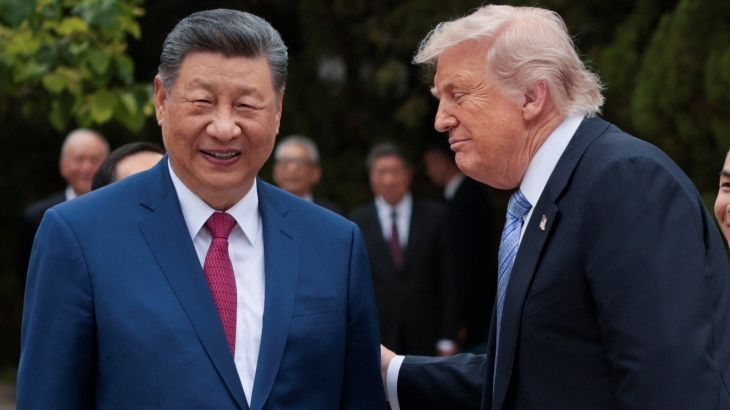
This apparent dilemma for Washington is expected to be a significant backdrop during Trump’s visit to China this week, although US officials have expressed hopes of making progress on other issues beyond the disagreements concerning the war in Iran. Speaking during the hearing, which addressed the Pentagon’s historic $1.5 trillion funding request, Chairman of the Joint Chiefs of Staff Dan Caine emphasized that responding to China’s growing influence would remain the top priority during the trip. He stated that the Pentagon aims for “a range and mix of capabilities that create outsized dilemmas for [Chinese President] Xi Jinping and others that are out there, to ensure that we maintain and sustain deterrence.”
#IranWar #Pentagon #USMilitary #DefenseSpending #Munitions #Ceasefire #EconomicImpact #USPolitics #Geopolitics #MiddleEast




Leave a Reply