

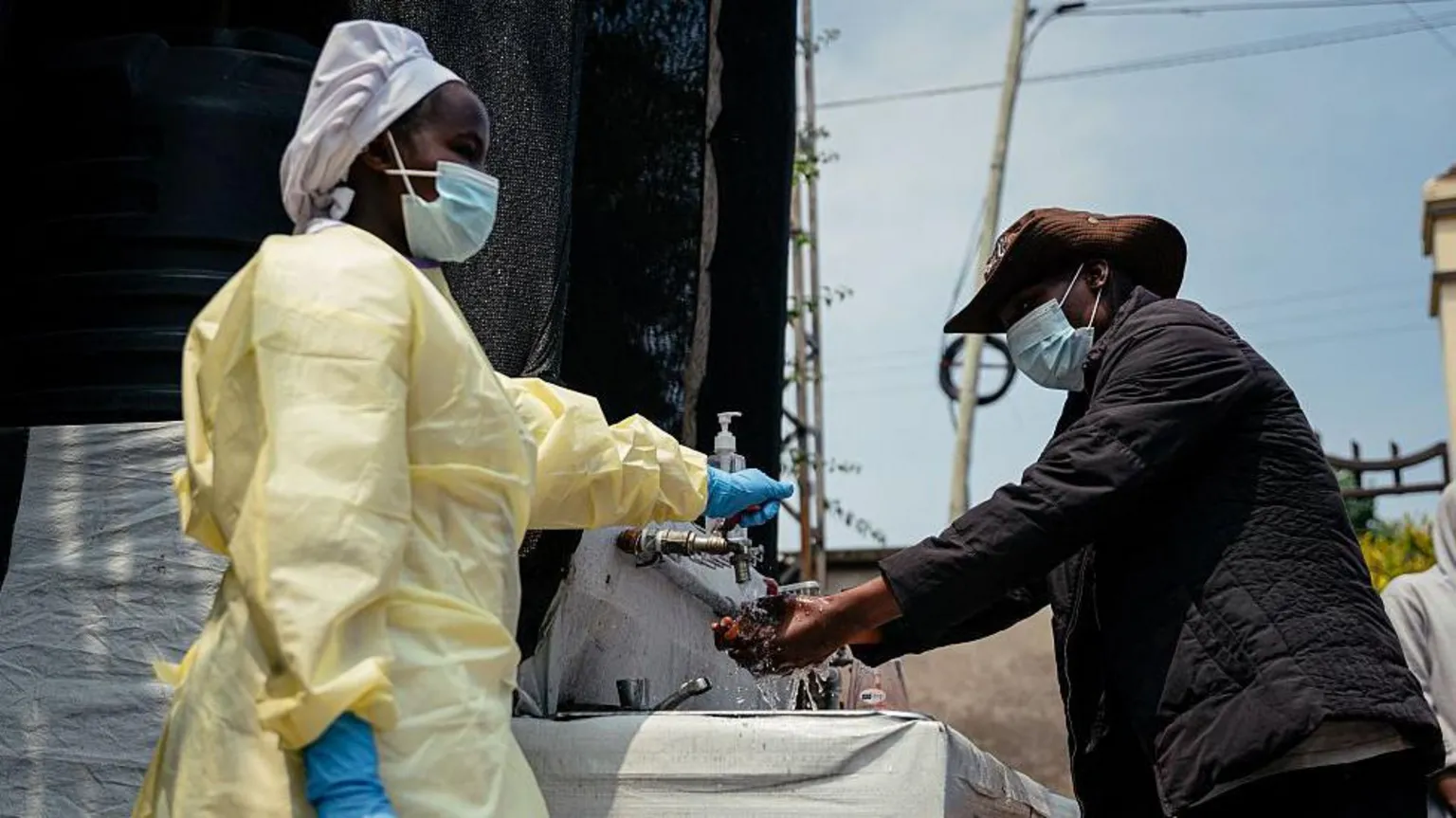
Ebola Outbreak Escalates in DR Congo, Over 100 Fatalities Reported
A severe Ebola outbreak in the Democratic Republic of Congo (DR Congo) has reportedly claimed at least 100 lives, with more than 390 suspected cases, according to the head of the Africa Centres for Disease Control and Prevention. The World Health Organization (WHO) has officially declared this outbreak a public health emergency of international concern.
Six Americans Exposed to Virus Amidst Crisis
Sources have informed CBS News, a BBC US partner, that at least six Americans have been exposed to the Ebola virus during the current outbreak in DR Congo. One individual is believed to be exhibiting symptoms, while three others reportedly had high-risk contact or exposure. It remains unconfirmed whether any have been infected. The US Centers for Disease Control and Prevention (CDC) confirmed its support for the “safe withdrawal of a small number of Americans who are directly affected,” though specific numbers were not disclosed.
Current Strain and International Response
The current strain of Ebola identified in this outbreak is caused by the Bundibugyo virus, for which there are currently no approved drugs or vaccines. In addition to the DR Congo, the CDC has confirmed two cases and one death in neighboring Uganda.
The US government is reportedly arranging transport for the affected Americans to a secure quarantine location, possibly a US military base in Germany, though this has not been officially confirmed. The CDC, while declining to answer direct questions about the affected US citizens, emphasized that the risk to the United States remains low. The US has also issued a Level Four travel advisory—its most severe—warning against travel to DR Congo.
Preventative Measures and Global Preparedness
The WHO has cautioned that this outbreak could potentially be “a much larger outbreak” than currently detected, posing a significant risk of local and regional spread. Jean Kaseya, Director General of Africa Centres for Disease Control and Prevention, stressed the importance of adhering to public health measures, especially guidance on handling funerals of those who have succumbed to the disease. Community funerals, where traditional practices involve washing bodies, were a major factor in the spread during earlier outbreaks.
To prevent further transmission, the WHO has advised DR Congo and Uganda to implement cross-border screenings. Nearby countries are also urged to “enhance their preparedness and readiness,” including heightened surveillance at health facilities and communities. Rwanda has announced tightened screening along its border with DR Congo as a precautionary measure, and Nigeria is closely monitoring the situation.
Understanding Ebola: A Brief Overview
- There are different strains of Ebola; the current strain in DR Congo is caused by the Bundibugyo virus.
- Initial symptoms appear suddenly and are flu-like: fever, headache, and tiredness.
- Some patients may develop internal and external bleeding, with potential damage and failure of organs like kidneys and liver.
- The largest recorded outbreak occurred in 2014-16, infecting 28,600 people in West Africa.
#EbolaOutbreak #DRCongo #PublicHealthEmergency #WHO #EbolaVirus #AfricaCDC #GlobalHealth #DiseasePrevention #Uganda #EbolaResponse






Leave a Reply