

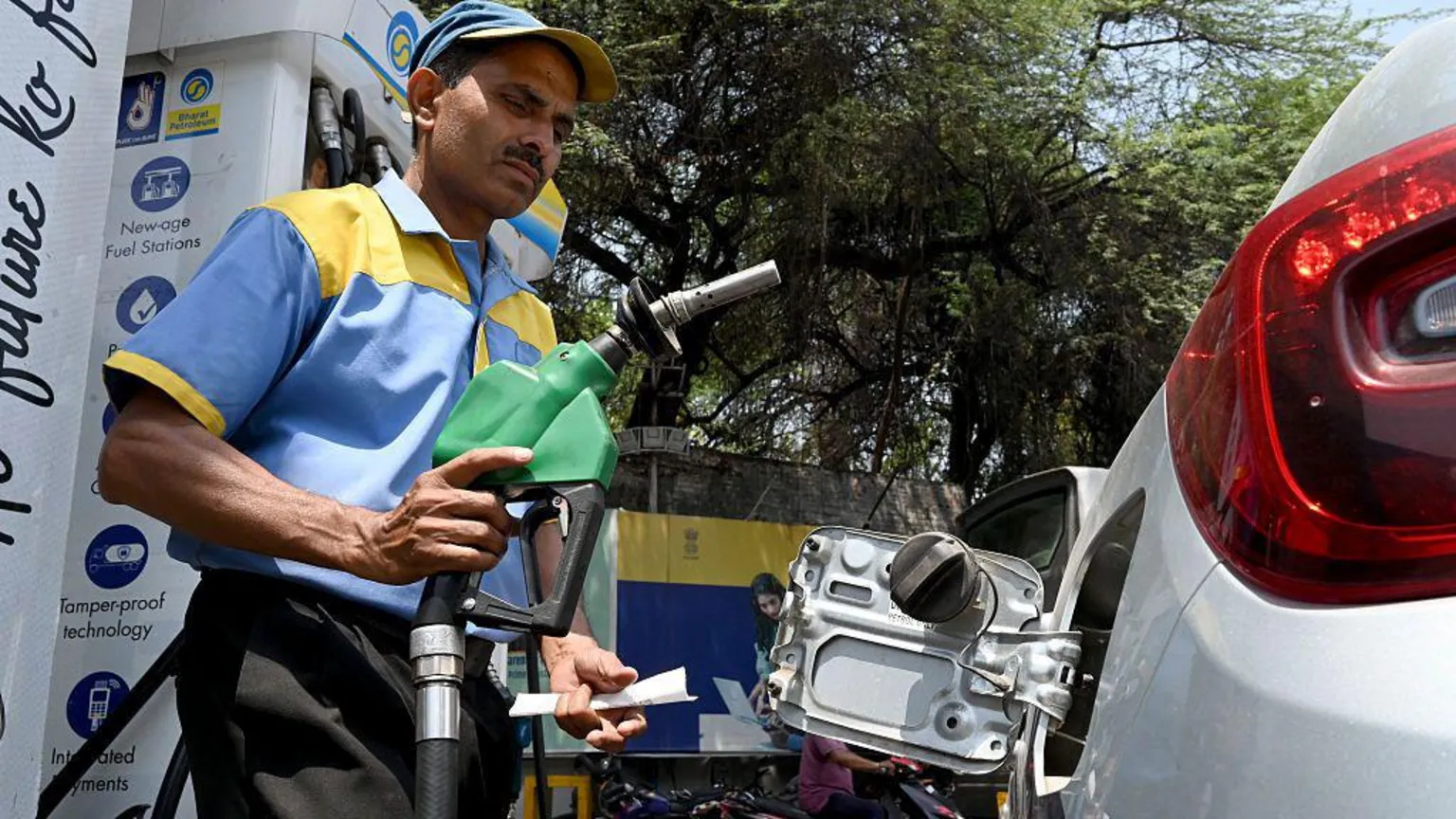
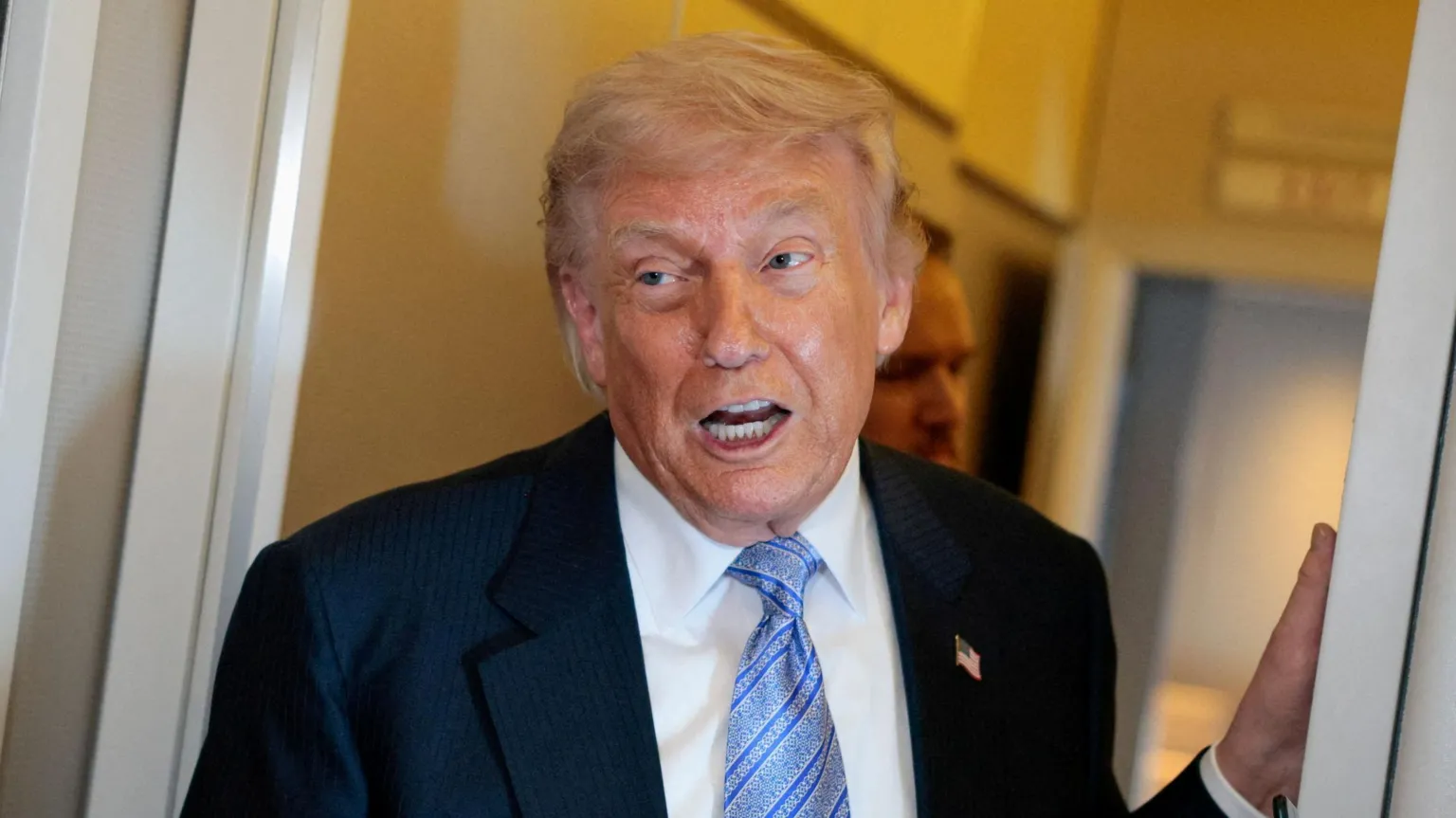
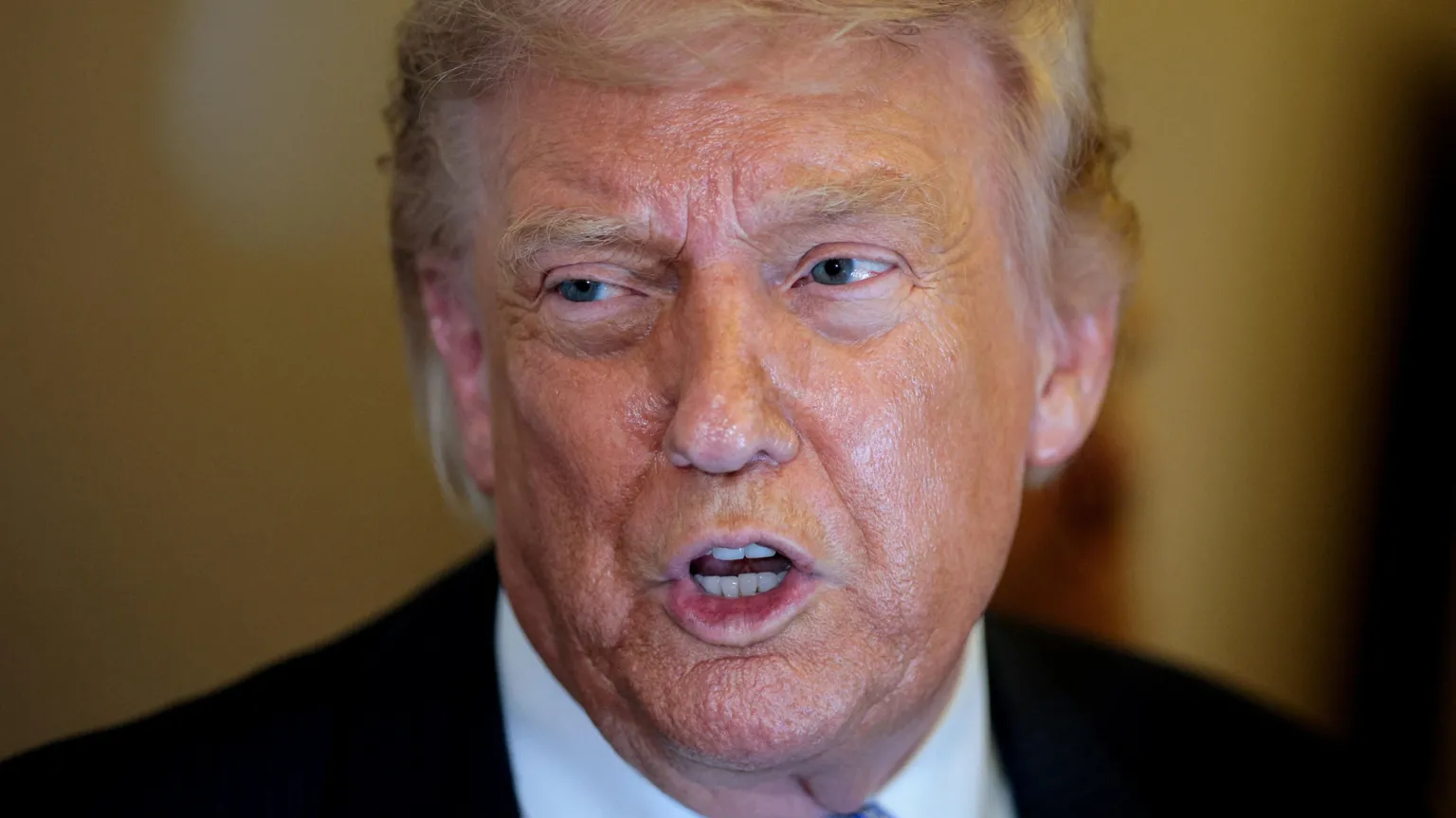
The price of oil experienced a significant drop on Monday following an announcement by former US President Donald Trump that he had postponed a planned military strike on Iran, originally scheduled for Tuesday. This decision, according to Trump, was made at the behest of several Gulf nations.
The global benchmark, **Brent crude, saw its price fall from $112 (£83) to $109** shortly after Trump’s statements were published on Truth Social.
Earlier on Monday, prior to the social media post, oil prices had fluctuated. Over the weekend, Trump had issued a warning to Iran, stating that “the clock is ticking,” amid reports of stalled negotiations aimed at resolving the conflict.
Energy markets have been highly volatile since **Iran’s actions effectively closed the crucial Strait of Hormuz waterway**. This move was described as a response to reported US and Israeli strikes on the country, which commenced on February 28.
Approximately **one-fifth of the world’s oil and liquefied natural gas** typically transits through this narrow shipping lane.
The oil market has shown rapid reactions to any indications of progress, or lack thereof, towards a peace agreement that could lead to the reopening of the strait.
An earlier rise in crude prices on Monday was observed after Trump posted on social media, urging Iran to “get moving, FAST, or there won’t be anything left of them,” and emphasizing, “TIME IS OF THE ESSENCE!”
Last week, the former president had cautioned that the ceasefire was on “massive life support” after rejecting demands from Iran, which he characterized as “totally unacceptable.”
News platform Axios reported that Trump was anticipated to convene a meeting on Tuesday with his senior national security advisors to deliberate on potential military actions concerning Iran.
However, oil prices later retreated following reports from an Iranian news agency suggesting that the US had agreed to a temporary waiver on sanctions pertaining to Iran’s crude oil during ongoing negotiations, thereby **fostering optimism for advancements in peace discussions.**
Later on Monday, Trump affirmed that “serious negotiations are now taking place.”
In a Truth Social post, he stated that leaders from Qatar, Saudi Arabia, and the United Arab Emirates had requested him to defer a military strike on Iran, initially planned for Tuesday.
Trump indicated that he had received assurances of a forthcoming deal that would be “very acceptable” to the US, further asserting that there would be “NO NUCLEAR WEAPONS FOR IRAN!”
Nevertheless, he cautioned that the US military remained ready to “go forward with a full, large scale assault of Iran, on a moment’s notice” should an acceptable agreement not be achieved.
**Iran has not yet issued a public response** to Trump’s most recent statement.
Government Borrowing Costs Rise
The escalation in energy costs since the onset of the conflict has also contributed to an increase in government borrowing expenses, as reflected by bond yields.
There are concerns that elevated energy bills could fuel inflation, prompting central banks to raise interest rates.
On Monday, the benchmark **10-year US Treasury yield reached 4.63%** at one juncture, marking its highest point in over a year, before subsequently declining. This yield essentially represents the interest rate applied to the US government for a decade-long loan.
Japanese bond yields also surged following a Reuters report indicating that the Japanese government was likely to issue new debt to help finance a proposed supplementary budget aimed at mitigating the economic impact of the conflict.
The yield on the **30-year Japanese government bond climbed to a record high of 4.2%**, while the 10-year yield surged to 2.8%, its highest level since October 1996.
Eurozone bond yields also began the day with an upward trend before receding as oil prices experienced a downturn.
These recent market movements coincided with a meeting of G7 finance ministers in Paris.
Upon her arrival, European Central Bank President Christine Lagarde was questioned by reporters about potential concerns regarding a sell-off in global bond markets. She responded, “I always worry, that’s my job.”
‘Summer of Pain’
Claudio Galimberti, chief economist at Rystad Energy, conveyed to the BBC that the elevated oil prices represent **”a very dire situation, and it’s going to get worse unless the strait is opened.”**
He added, “We are approaching a summer of pain, I am afraid, unless Hormuz is opened.”
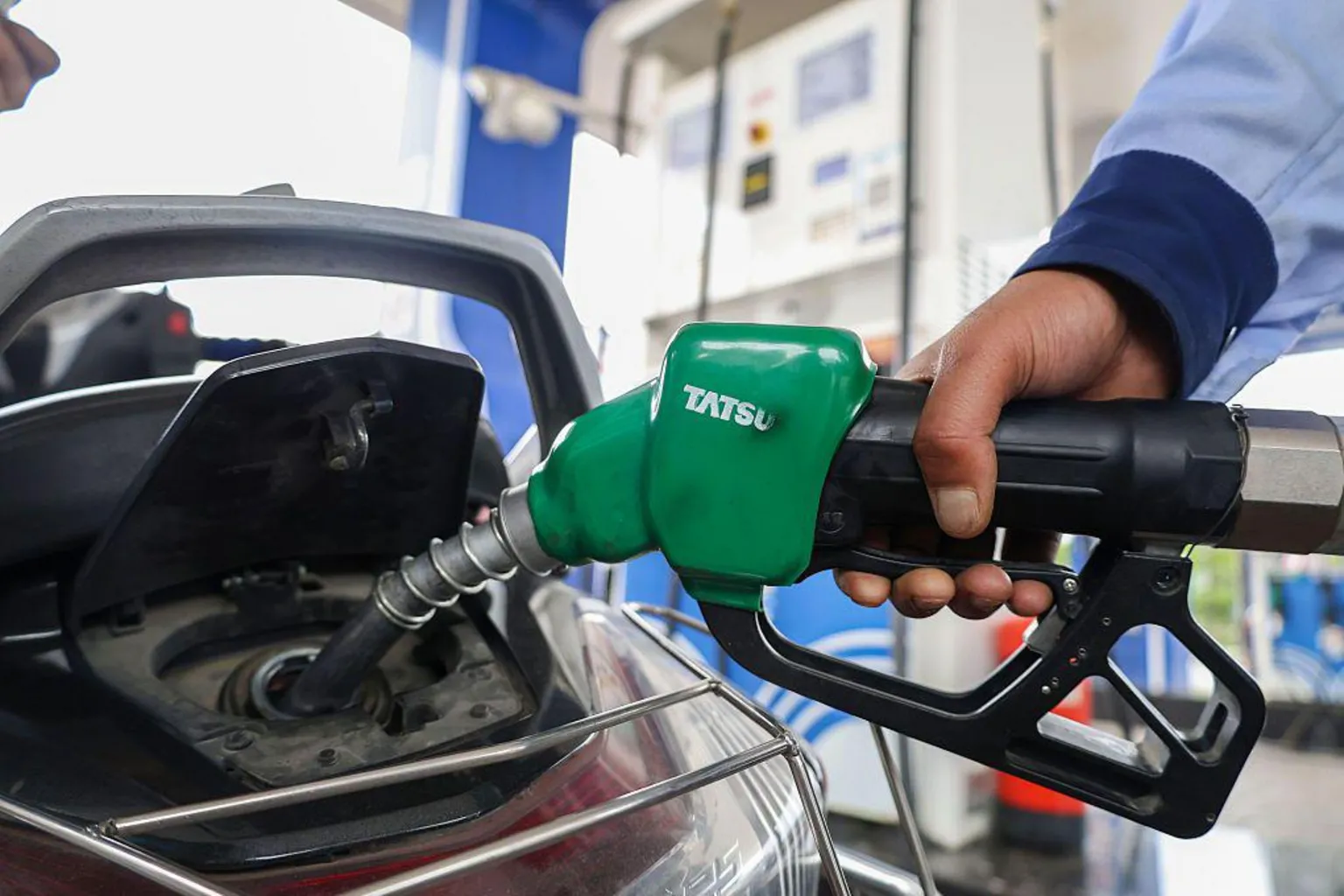
Increased oil prices have led to higher fuel costs for businesses, particularly airlines, many of which are entering their peak holiday season.
Irish airline Ryanair released its full-year results on Monday, stating: “The conflict in the Middle East has created economic uncertainty, and we still don’t know when the Strait of Hormuz will reopen.”
The airline reported that it had secured contracts to fix the price for 80% of its jet fuel for the upcoming months.
However, it noted that the price of the remaining 20% “has spiked due to the Middle East conflict.”
Ryanair’s profits increased to **€2.26 billion (£2 billion)** from €1.6 billion last year, with sales rising by 11% to €15.5 billion for the year ending March.
Despite this, the company indicated that the business outlook was challenging to forecast currently, citing the conflict involving Iran and the ongoing situation in Ukraine.
The Strait of Hormuz is a narrow waterway situated between Iran, the United Arab Emirates (UAE), and Oman.
This waterway, approximately **21 miles (33 km) at its narrowest point**, links the Persian Gulf to the Gulf of Oman, establishing it as a critical global shipping route.
Roughly **20% of the world’s oil and liquefied natural gas** typically transits through the Strait of Hormuz.
This oil originates not only from Iran but also from other Gulf states including Iraq, Kuwait, Qatar, Saudi Arabia, and the UAE.
According to estimates from the US Energy Information Administration (EIA), approximately **20 million barrels of oil passed through the waterway daily in 2025**, representing nearly $600 billion (£447 billion) worth of energy trade annually.
Sea traffic has seen a **significant reduction since the conflict commenced.**
During the Middle East conflict, Iran has been reported to have launched attacks on neighboring countries, including Israel, Bahrain, and the United Arab Emirates (UAE).
On Sunday, the UAE reported that a drone strike had caused a fire near its nuclear power station, labeling the incident a **”dangerous escalation.”**
Officials are currently investigating the origin of the strike. The UAE’s defense ministry stated that three drones had entered the country from the “western border direction.”
While two drones were intercepted, the third struck an electrical generator “outside the inner perimeter” of the Barakah Nuclear Power Plant in Abu Dhabi, resulting in a fire.
Local authorities confirmed that no injuries were reported, and there was no impact on radiological safety levels.
#OilPrices #StraitOfHormuz #MiddleEastConflict #EnergyMarkets #GlobalEconomy #Geopolitics #DonaldTrump #Iran #BrentCrude #BondYields




Leave a Reply