

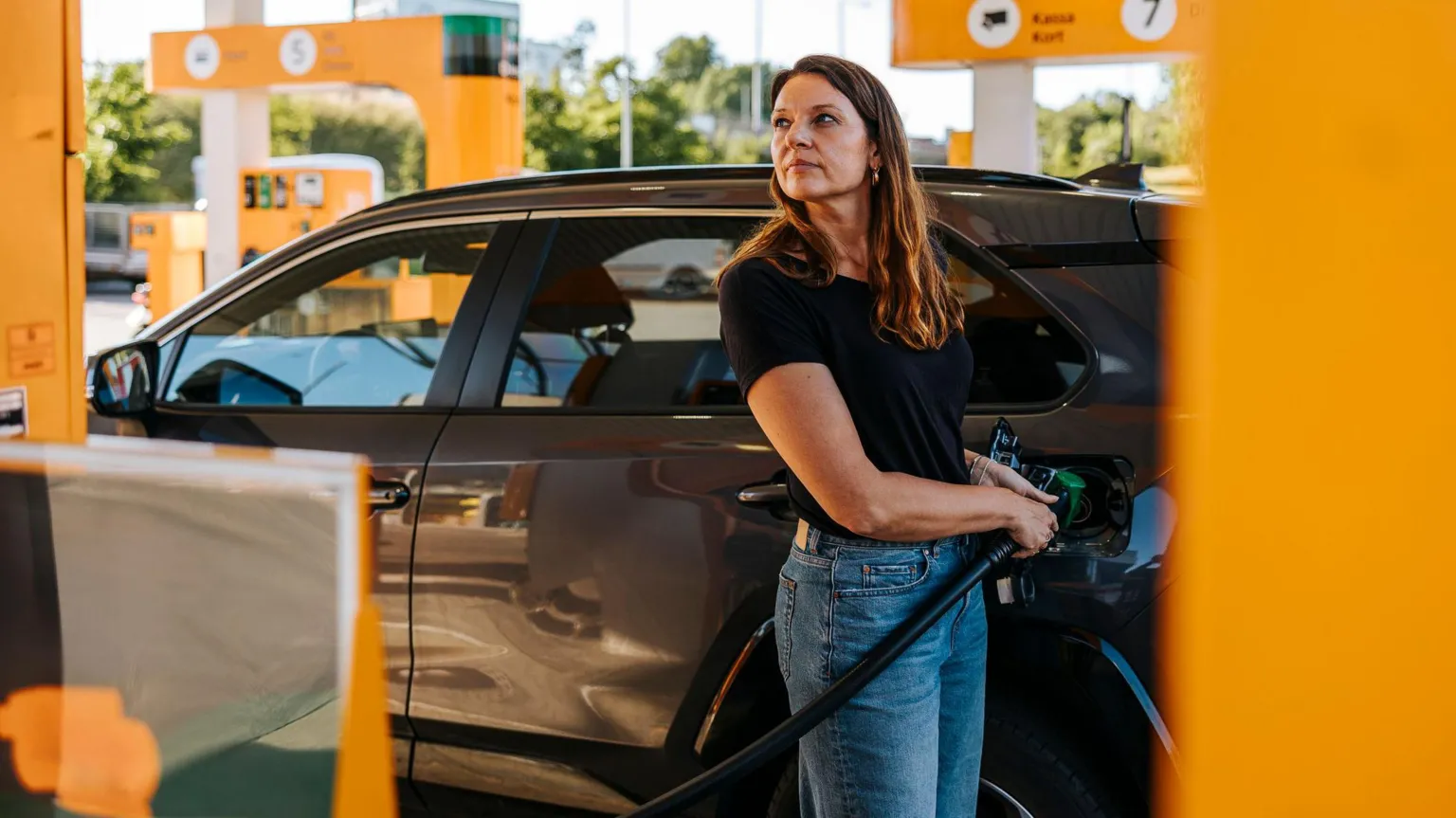
Fuel Prices Soar Amidst Middle East Tensions
The average price of unleaded petrol has risen to 158.52p a litre, its highest level since the start of the Iran conflict, according to the RAC. Petrol and diesel prices surged when the conflict began on February 28, with the production and transportation of energy across the Middle East slowing or stopping entirely due to missile strikes and drone attacks. The price of petrol last peaked at 158.31p on April 15, falling by more than a penny until the start of May when it began rising again, the RAC said. The motoring organization also stated that unleaded fuel was likely to increase to at least 160p a litre in the coming weeks unless there was a “dramatic and sustained drop” in the price of oil.
Global Oil Benchmarks and Pump Prices
Brent crude – the global benchmark for wholesale oil prices – is currently trading at about $111 a barrel. Before the conflict, Brent was trading at about $73 a barrel. That in turn has pushed up prices at the pump. The price of unleaded petrol was 132.83p a litre on average at the start of the conflict. The average price of diesel was 142.38p a litre. It is now 185.92p a litre.
Historical Context of Fuel Prices
Historical data indicates the price trends for diesel and unleaded petrol since 2022. Prices started under £1.40 a litre in late 2021, sharply rising in March 2022 to £1.65 and £1.77 following Russia’s invasion of Ukraine. They peaked in July 2022 at £1.91 for unleaded and £1.99 for diesel before a general downtrend. At the end of February 2026, as the US and Israel attacked Iran, prices were £1.33 for unleaded and £1.42 for diesel and have since risen to £1.59 for unleaded and £1.86 for diesel as at May 19, 2026.
Chancellor Considers Fuel Duty Freeze
Simon Williams, RAC head of policy, commented, “The news that petrol has climbed to a new wartime high comes in a week when the chancellor is thought to be on the point of scrapping plans to increase fuel duty by a penny in September.” He added, “This would have been the first step in reversing the 5p fuel duty cut that’s been in place since the Ukraine war. If she decides to keep fuel duty at the current rate of 52.95p per litre, it will be a relief for drivers as our research shows they have been struggling with the higher cost of filling up.” The Treasury has stated it does not comment on tax speculation.
Diesel Outlook and Retailer Responsibility
Williams also noted that the outlook for diesel was “more positive” as the wholesale price has reduced significantly since it peaked in early April. However, while the price of diesel at the pump had fallen to its lowest since the start of last month, he added, “it should really be much lower than it is.” He concluded, “We urge retailers to reflect the savings they’re benefiting from when buying new supply on the forecourt.” #FuelPrices #PetrolPrice #DieselPrice #IranConflict #OilPrices #RAC #FuelDuty #CostOfLiving #EnergyCrisis #MiddleEast




Leave a Reply