

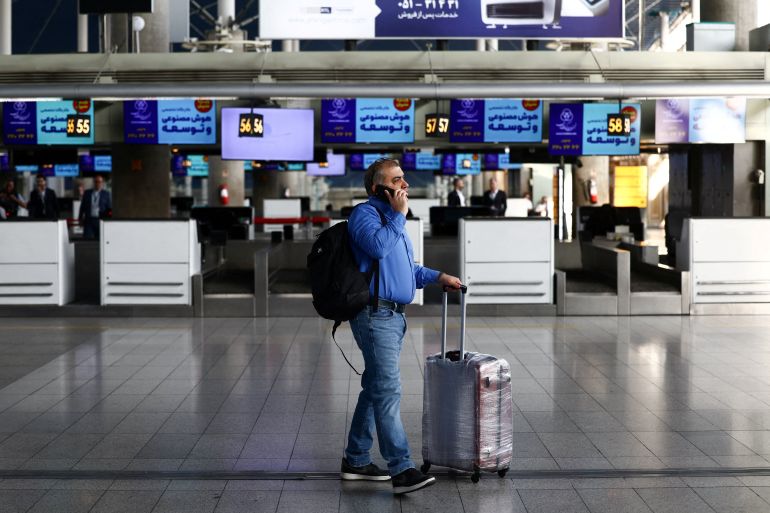
Iran has restarted commercial flights from Tehran’s international airport, marking the first time since the country was attacked by the United States and Israel two months ago.
State-run television in Iran reported that flights to Istanbul, Muscat, and the Saudi Arabian city of Medina departed from Tehran’s Imam Khomeini International Airport (IKIA) on Saturday. Iran Air, the national carrier, also operated its initial flight from Tehran to Mashhad, the country’s second-largest city, following a 56-day suspension. The state-run IRNA news service announced via Telegram that additional flights are scheduled for Baku, Najaf, Baghdad, and Doha in the coming days.
Mohammad Amirani, CEO of the Iran Airports and Air Navigation Company, stated that the country’s eastern region, bordering Turkmenistan, Afghanistan, and Pakistan, would be prioritized for both domestic and transit flights. Provincial airports, including those in Mashhad, Zahedan, Kerman, Yazd, and Birjand, are designated to become key hubs for directing air traffic, according to IRNA. Authorities have initiated discussions with foreign airlines to clarify routes and re-attract transit flights, as a delicate ceasefire with the U.S. remains in effect and efforts for further talks between Tehran and Washington continue in Pakistan.
The recent conflict involving the U.S. and Israel against Iran significantly disrupted international air travel for weeks, leading to the closure of much of the Middle East’s airspace and leaving tens of thousands of travelers stranded. While numerous countries organized chartered flights to repatriate their citizens, these efforts were hampered by the near-total shutdown of commercial aviation in one of the world’s busiest air travel regions.
Days after the attacks began on February 28, countries such as Qatar and the United Arab Emirates partially reopened their airspaces, with flight schedules gradually expanding in the subsequent weeks.
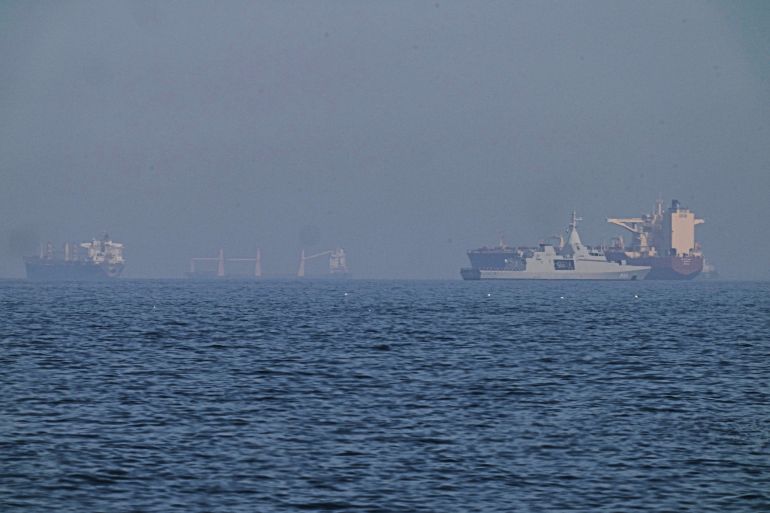
Meanwhile, the ongoing blockade of the Strait of Hormuz has raised concerns about a potential jet fuel crisis. The European Union is reportedly considering importing jet fuel from the U.S. and implementing new minimum reserve quotas to address an anticipated supply crunch. Fatih Birol, head of the International Energy Agency, warned earlier this month that Europe might have “maybe six weeks or so [of] jet fuel left,” suggesting that flight cancellations could commence “soon” without changes in supply. German aviation company Lufthansa Group announced on Thursday that it would cut 20,000 short-haul flights until October, citing rising oil prices and fears of jet fuel shortages.
#IranFlights #TehranAirport #AirTravel #MiddleEastAviation #FlightResumption #ImamKhomeiniAirport #IranAir #RegionalStability #JetFuelCrisis #GlobalAviation





Leave a Reply