

Why did the US and Israel attack Iran and how long could the war last?
Conflict erupted across the Middle East after the US and Israel launched extensive strikes on Iran, resulting in the death of the country’s supreme leader on February 28.
Iran retaliated by launching attacks on Israel and US-allied states in the Gulf.
The fighting quickly escalated, spreading to Lebanon, with casualties and damage increasing on all sides.
The US and Iran have since agreed to a conditional two-week ceasefire, set to begin on April 7.
What has been happening in Iran?
When the US and Israel first attacked, they targeted Iran’s missile infrastructure, military sites, and leadership in the capital, Tehran, and across the country.
Iran’s Supreme Leader, Ayatollah Ali Khamenei, who had led the country since 1989, was killed during the initial wave of strikes. Israel’s military reports that dozens more senior figures in the powerful Islamic Revolutionary Guard Corps (IRGC) were also killed.
Khamenei’s son, Mojtaba Khamenei, was named as his successor on March 8.
Other high-ranking Iranian officials killed include security chief Ali Larijani, intelligence minister Esmail Khatib, and the head of the paramilitary Basij force, Gholamreza Soleimani. Israel states it targeted them in air strikes.
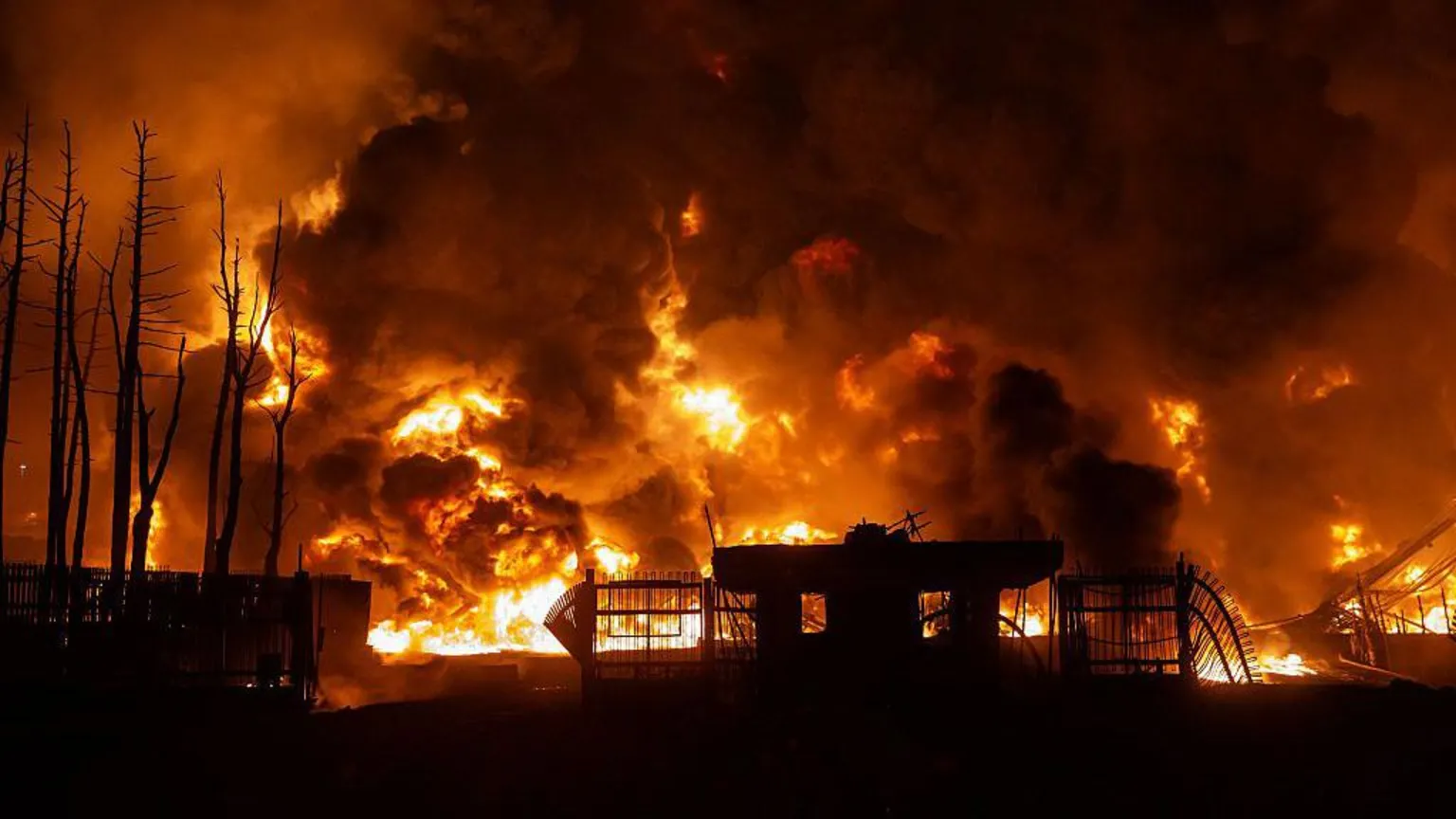
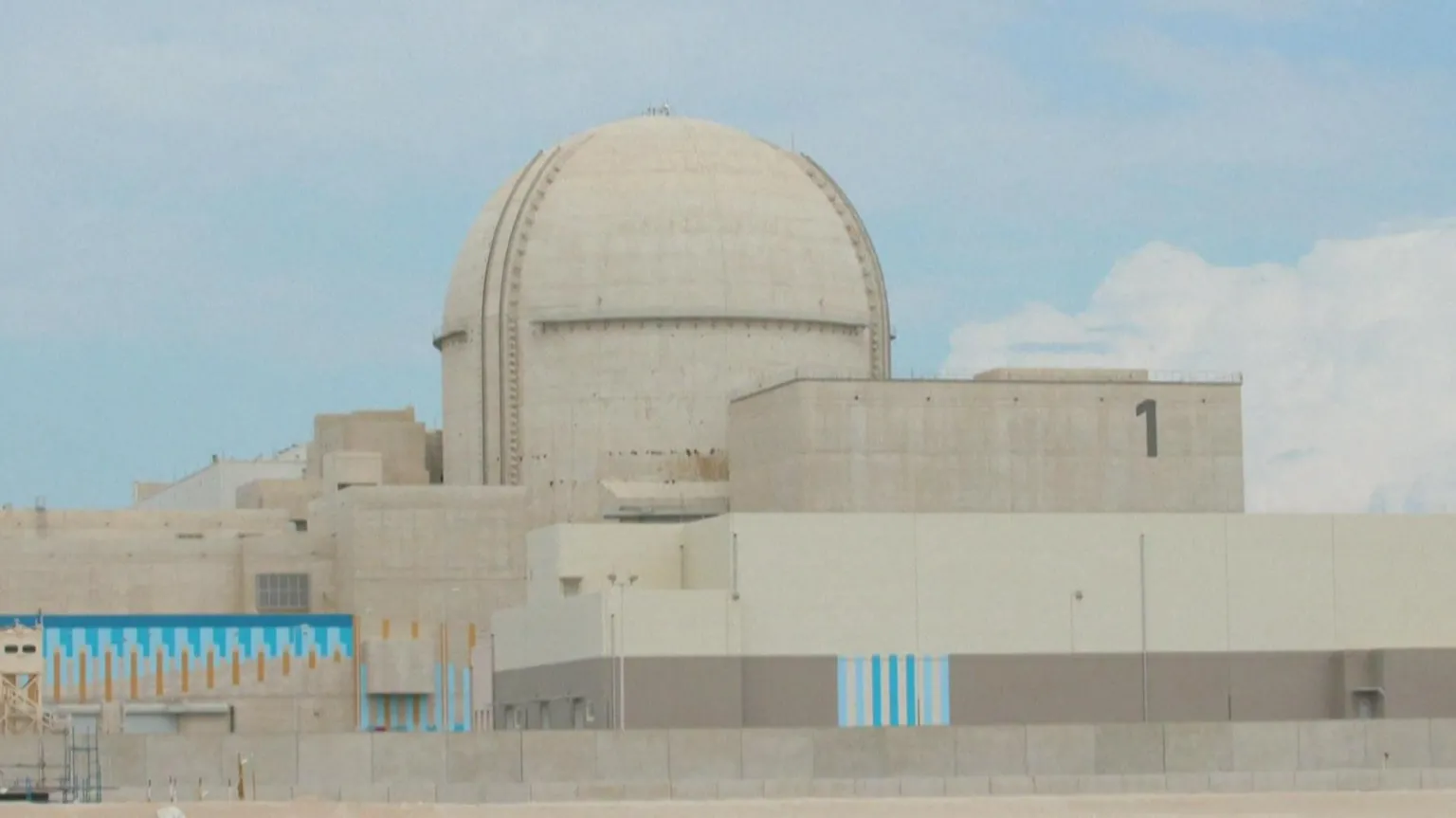
The US and Israel have also targeted key sites linked to Iran’s nuclear program – which Iran insists is entirely peaceful – and Iranian oil and gas facilities.
These include Kharg Island, home to a major oil terminal considered Iran’s economic lifeline.
Israel also targeted South Pars, part of the world’s largest natural gas field.
Outside its territory, an Iranian warship was sunk by a US submarine in the Indian Ocean near Sri Lanka on March 4, killing at least 87 people.
The US-based group Human Rights Activists in Iran (HRANA) reported on April 2 that 3,530 people had been killed in Iran since the war began, including 1,606 civilians, of whom at least 244 were children.
Iran accused the US and Israel of attacking a girls’ school near an IRGC base in southern Iran on February 28, stating that 168 people, including approximately 110 children, were killed.
The US said it was investigating the incident, while Israel stated it was “not aware” of any military operations in the area.
Expert video analysis, as reported by BBC Verify, shows a US Tomahawk missile hit a military base near the school.
Access to Iran for international journalists is limited, and internet connectivity in the country has been almost entirely restricted.
On April 3, a US F-15 fighter jet was shot down over western Iran. The pilot was quickly rescued, and a search-and-rescue operation – which also came under fire – was launched to find a second crew member. Reports emerged late on April 4 that he had been found, a fact Trump confirmed shortly afterward.
Iran has described the US and Israeli strikes as “unprovoked” and “illegitimate” and has carried out widespread missile and drone attacks in response.
The IRGC stated it had targeted Israeli government and military sites in Tel Aviv and elsewhere.
As of March 29, Israel’s Magen David Adom ambulance service (MDA) reported that 19 people had been killed by missile fire since the start of the war.
Strikes have also occurred in countries hosting US bases – Qatar, Bahrain, Jordan, the United Arab Emirates (UAE), and Kuwait – as well as US-allied Oman and Saudi Arabia.
Thirteen US service members have been killed.
Iran has also been accused of attacking oil and gas facilities, shipping, and civilian sites.
At least 24 people have been killed across the Gulf so far, mostly security personnel or foreign workers.
The UAE reported 13 deaths, including a civilian contractor with its military killed in Bahrain. Seven people have died in Kuwait, while Oman, Saudi Arabia, and Bahrain have each reported two deaths.
In northern Iraq, a French soldier was killed by a drone at a Kurdish military base.
On March 25, seven Iraqi soldiers were killed in an airstrike in Anbar province, in the west of the country, according to a statement from the Iraqi Ministry of Defence. The statement did not specify who carried out the attack.
Also in Iraq, the Popular Mobilization Forces (PMF) – formed in the last decade to fight the Islamic State group – reported that at least 27 of their members have been killed.
In the Israeli-occupied West Bank, four Palestinian women were killed at a beauty salon in an Iranian missile attack.
Turkey stated that NATO air defenses had shot down three Iranian missiles over its airspace. Azerbaijan accused Iran of attacking an airport with drones.
On March 14, the Palestinian armed group Hamas in Gaza urged Iran to stop attacking Gulf states, in a rare appeal to its key ally.
On March 7, Iranian President Masoud Pezeshkian apologized to neighboring countries that were attacked and stated that “from now on” the military should not attack neighboring countries “unless attacked first.” However, attacks have continued since then.
Elsewhere, a British military base in Cyprus was struck by a drone, according to the UK Ministry of Defence. Western officials later said the drone had not been launched from Iran.
On March 21, Iran reportedly fired two ballistic missiles at the UK military base on Diego Garcia in the Indian Ocean, but neither missile reached the target.
How long could the war last?
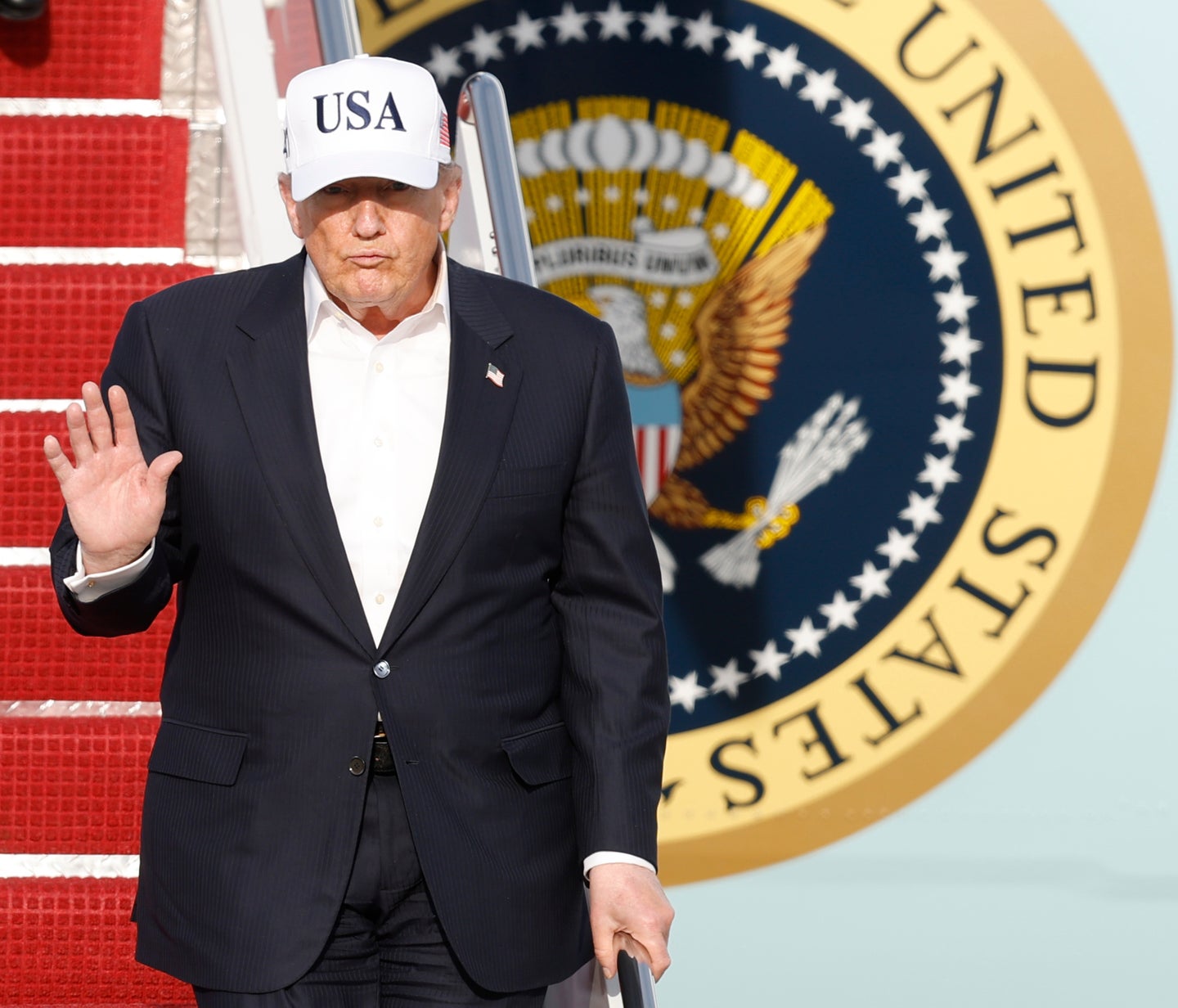
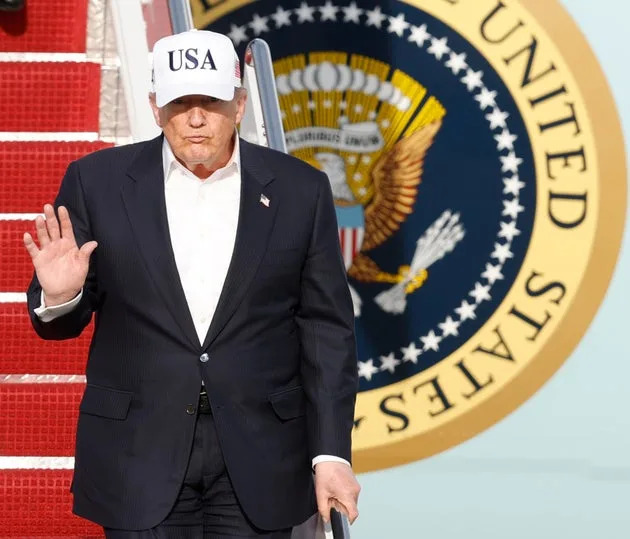
In early April, Trump set a new 48-hour deadline for Iran to reopen the vital Strait of Hormuz shipping channel. He escalated his threats against Iran, warning that “a whole civilization will die tonight” unless a deal was reached.
Hours before Trump’s deadline on April 7, the US and Iran announced they would implement a two-week ceasefire after an intervention by Pakistan, which detailed plans to secure an end to the conflict.
Trump stated he agreed to a “double-sided CEASEFIRE,” which was closely followed by Iranian Foreign Minister Abbas Araghchi announcing Tehran would agree to a ceasefire “if attacks against Iran are halted.”
Under the deal, Iran agreed to reopen the Strait of Hormuz for two weeks, after more than a month of imposing a blockade in the vital trading channel, in exchange for a halt to US military strikes in Iran.
Pakistan’s Prime Minister Shehbaz Sharif declared the ceasefire was in effect “immediately” and agreed to host delegates in Islamabad to mediate talks between both sides.
A few hours after the ceasefire was announced by Trump, Israeli Prime Minister Benjamin Netanyahu said: “Israel supports President Trump’s decision to suspend strikes against Iran for two weeks subject to Iran immediately opening the straits and stopping all attacks on the US, Israel, and countries in the region.”
The statement added that the “ceasefire does not include Lebanon.”
Speculation about when the war would end had shifted on multiple occasions as leaders provided conflicting timelines for ending hostilities.
Trump said on March 31 that US military action could end within “two or three weeks” with or without a deal brokered with Iran, stating that the US had achieved its goals in Iran, primarily curtailing the country’s ability to obtain a nuclear weapon.
Iran’s president, Masoud Pezeshkian, said on March 31 that Tehran had the “necessary will” to end the war but his country would need guarantees “required to prevent repetition of the aggression.”
Netanyahu said at the start of the war the campaign would “continue as long as it is needed.”
A new front in the war opened in Lebanon on March 2 when the Iran-backed group Hezbollah fired rockets at Israeli positions, stating it was seeking to avenge Khamenei’s assassination.
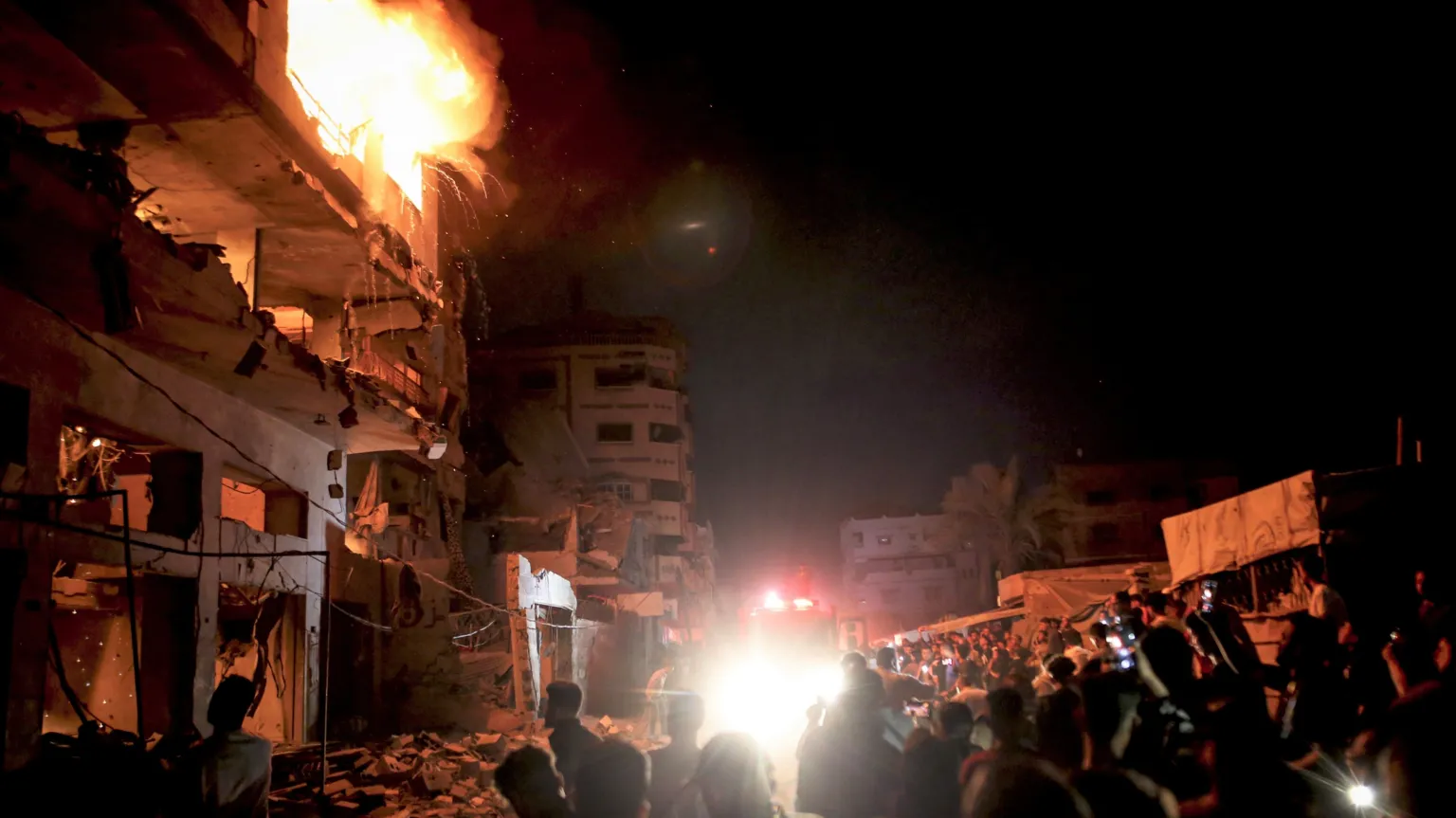
Israel launched attacks in response, hitting southern and central Beirut and parts of southern and eastern Lebanon.
Israel’s defense minister said on March 3 that ground troops would “advance and seize additional strategic areas in Lebanon” in order to stop attacks from Hezbollah and maintain security control over a swathe of southern Lebanon even after the end of the current war.
As of April 2, Lebanon’s health ministry said Israeli attacks had killed 1,345 people, including 125 children.
More than a million people – roughly one in every six in the country – have been displaced from their homes, Lebanon’s government said.
The Israeli military reported 10 of its soldiers have been killed in Lebanon as of March 31.
Three Indonesian peacekeepers have also been killed in southern Lebanon, according to the UN agency tasked with policing the region.
Israeli Defence Minister Israel Katz described the first strikes on Iran as “pre-emptive” to “remove threats against the state of Israel,” although he did not explain why there was a need to take military action at this time.
US Secretary of State Marco Rubio said on March 2 that Washington knew there was going to be Israeli action, which meant America had to act “pre-emptively” in the face of expected Iranian attacks on US forces.
But there are also underlying reasons.
Israel and the US – its closest ally – have been arch-foes of Iran since the Islamic revolution in 1979. The Iranian leadership has consistently called for Israel’s elimination and denounced the US as its greatest enemy.
The two countries have led Western opposition to Iran’s nuclear program, claiming Iran is seeking to develop a nuclear bomb – something Iran has vehemently denied.
They attacked Iranian nuclear and military sites in June 2025 in a 12-day war.
Since then, they have claimed Iran has been trying to rebuild its nuclear program and develop missiles capable of delivering nuclear weapons.
Israel considers Iran a threat to its existence and wants the complete removal of Iran’s nuclear and missile program, as well as regime change.
The US first openly discussed in January potentially attacking Iran when its security forces cracked down on protesters with deadly force.
However, the US and Iran began negotiations and appeared to be making progress until Trump said he was “not happy” with the way the talks were going on February 27. Hours later, the US and Israel began attacking.
Instability in the Middle East has begun to impact the global economy.
Iran has been accused of attacking ships in the Gulf, forcing the effective closure of the Strait of Hormuz – a key artery accounting for about 20% of global oil supply.
Trump postponed his initial threats in late March to strike Iranian power plants and energy infrastructure unless Iran opens the strait, citing what he described as “good” and “productive” talks. Iran, however, has denied any such talks took place.
But on April 4, he again gave Iran 48 hours to act, and a day later launched an expletive-laden post on social media threatening to unleash “hell” if it did not comply.
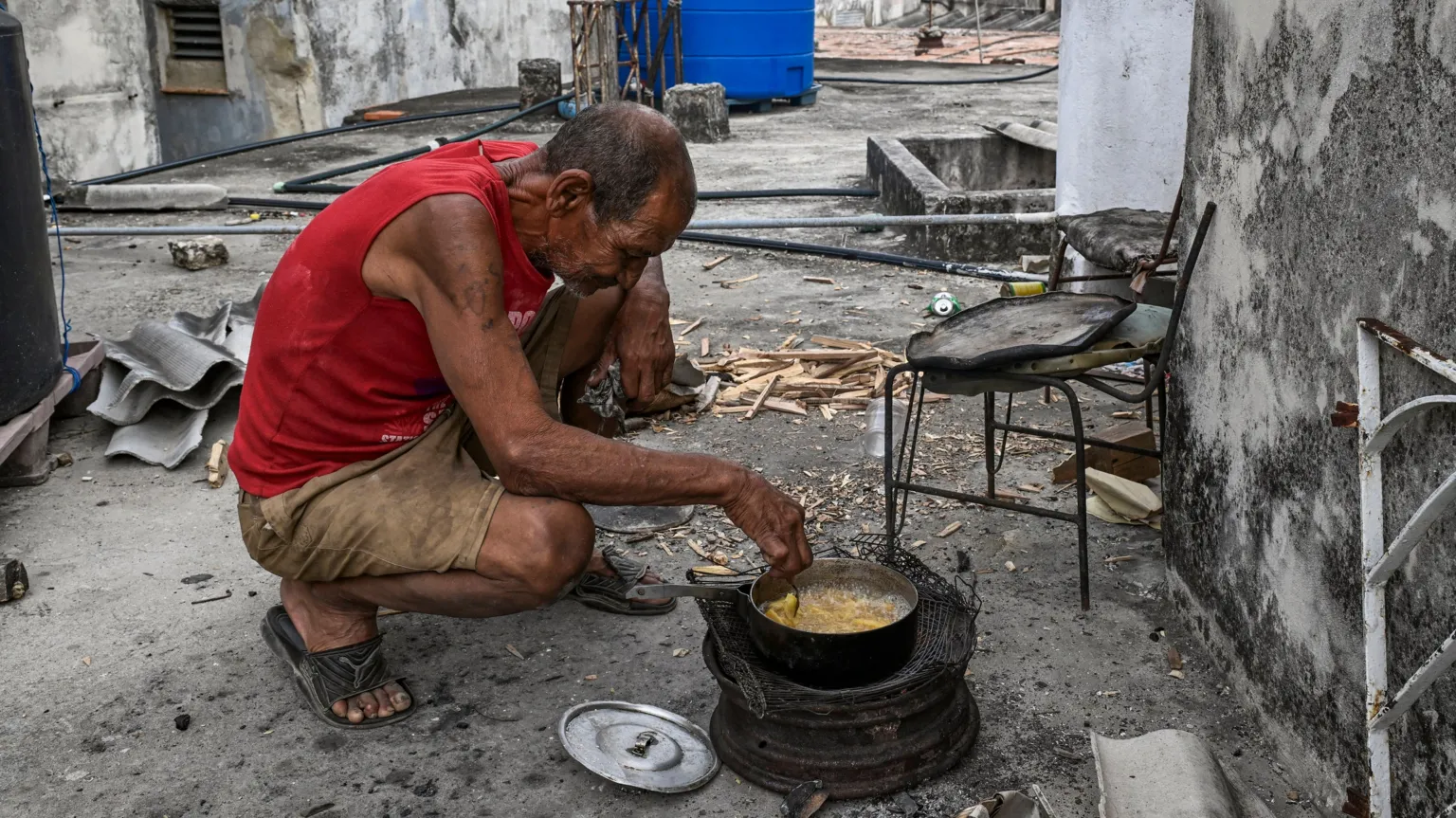
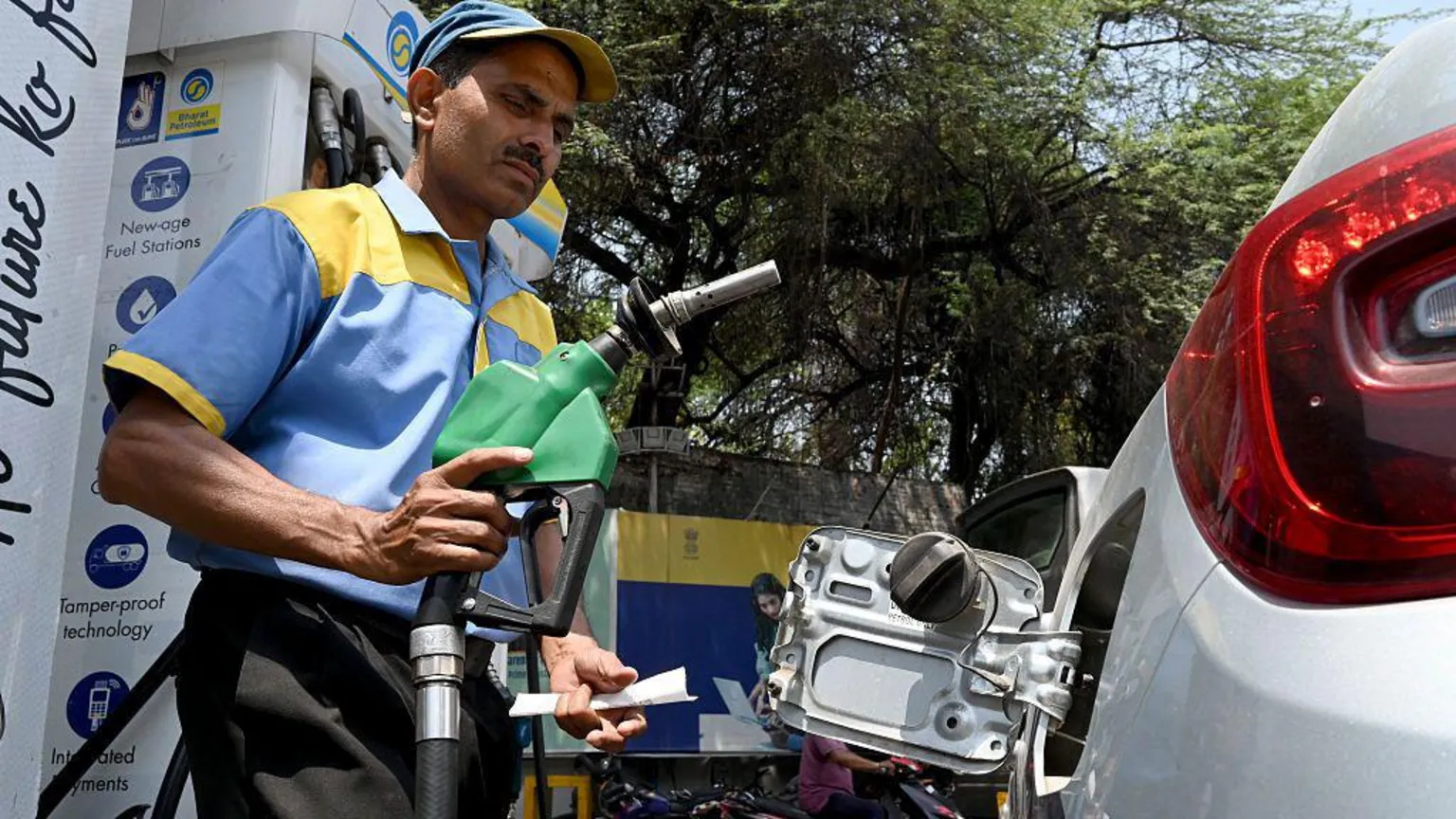
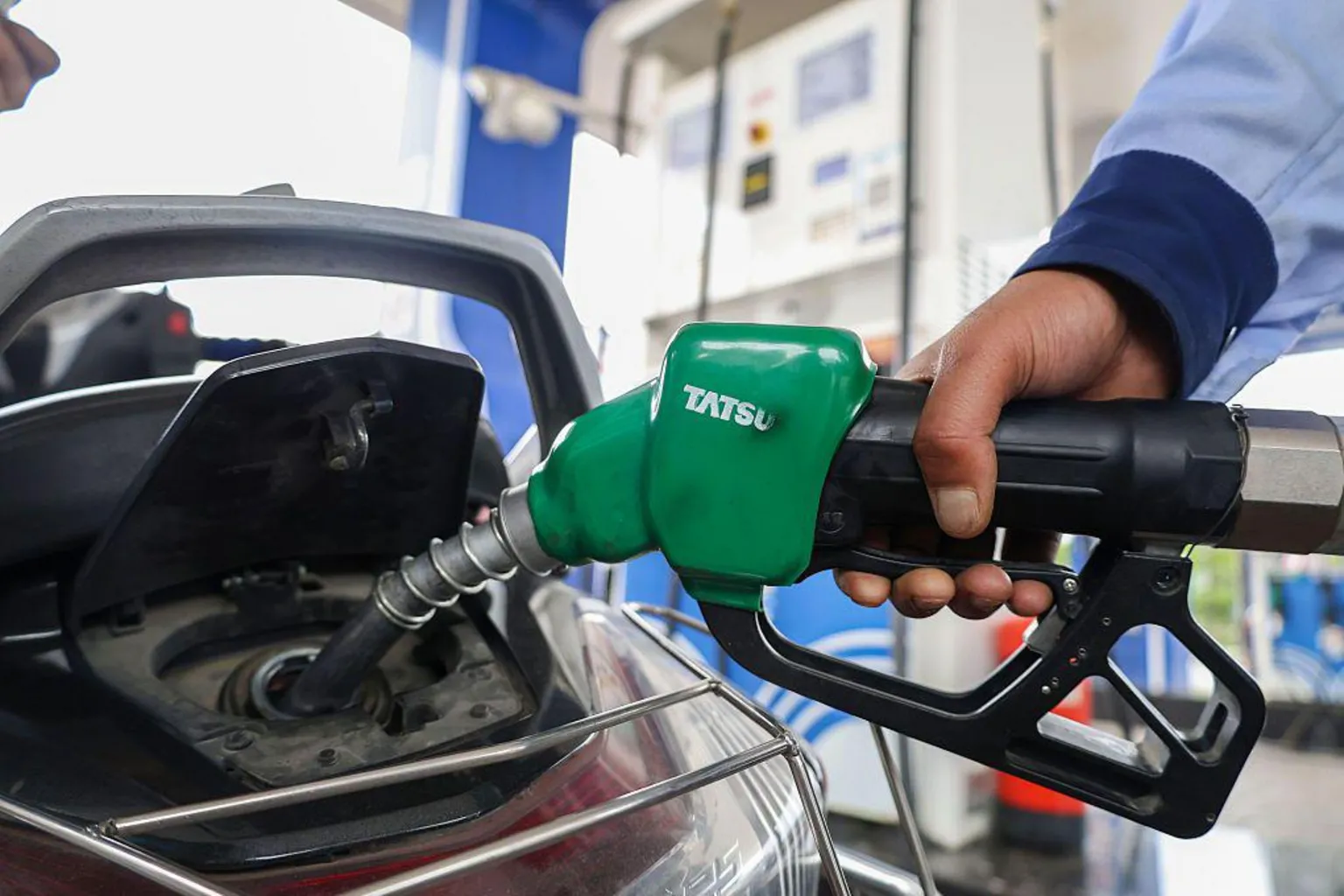
Attacks have been reported on major oil and gas hubs throughout the war. The strikes have prompted some of the world’s largest producers of oil and gas to suspend production, leading to a sharp rise in energy prices.
Benchmark Brent crude oil rose to almost $US120 a barrel, marking one of the largest spikes since Russia first launched a full-scale invasion of Ukraine in 2022.
The war has also prompted one of the most serious disruptions to global travel since the Covid-19 pandemic. Some airlines have continued operating or have resumed limited flights.
The UK Foreign Office advised anyone planning to travel to the Middle East to check its website for advice related to their destination.
Reporting by Mallory Moench, Raffi Berg, Emily Atkinson, Olivia Ireland, Robert Greenall, Hafsa Khalil, Gabriela Pomeroy, Jaroslav Lukiv, Harry Sekulich, and BBC Persian.
#USIsraelConflict #IranAttacks #MiddleEastWar #CeasefireDeal #StraitOfHormuz #NuclearProgram #OilPrices #GlobalImpact #HumanitarianCrisis #Geopolitics


Leave a Reply