

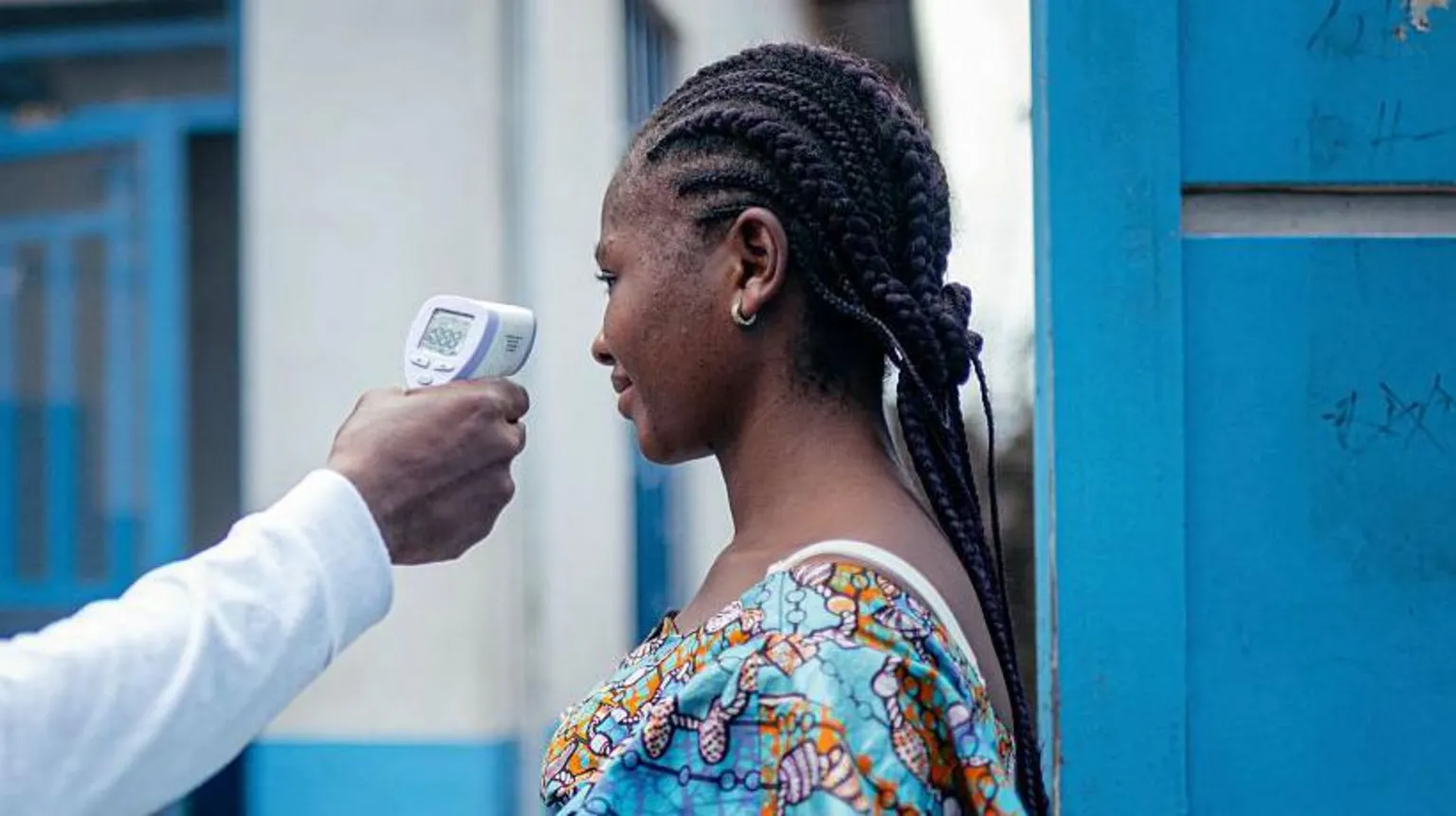
The World Health Organization (WHO) has declared an Ebola outbreak in the Democratic Republic of Congo a public health emergency of international concern. This current outbreak presents significant challenges due to a rare strain of the virus, for which no approved vaccine exists, and its occurrence in a conflict-affected region.
What is Ebola and How Does it Spread?
Ebola is a rare but deadly disease caused by a virus. Ebola viruses typically infect animals, such as fruit bats. Outbreaks among humans can occur when people come into contact with or consume infected animals.
Symptoms of Ebola
Symptoms usually appear between two and 21 days after infection. They often manifest suddenly, resembling the flu, with initial signs including fever, headache, and tiredness. As the disease progresses, patients may experience vomiting and diarrhoea, which can lead to organ failure. Some, but not all, individuals develop internal and external bleeding. The virus spreads from person to person through direct contact with infected bodily fluids, such as blood or vomit.
Challenges of the Current Outbreak
This particular outbreak is caused by the Bundibugyo species of Ebola, a strain not seen for over a decade. Bundibugyo has historically caused only two previous outbreaks, resulting in the death of approximately one-third of those infected. This rarer species poses unique challenges:
- Initial blood tests for Ebola were negative as they typically screen for more common species.
- There is no approved vaccine specifically for Bundibugyo, though experimental ones are under development. A vaccine for the Zaire species of Ebola might offer some protection.
- No specific drugs have been developed to target Bundibugyo, making treatment more difficult.
An additional complication is the outbreak’s location within a conflict zone, leading to the displacement of a quarter of a million people and movement across porous borders into neighbouring countries. The WHO’s declaration, however, does not imply the early stages of a Covid-style pandemic; the risk of Ebola spreading outside East Africa is considered minimal.
Timeline and Spread
The first known case involved a nurse who developed symptoms on April 24, indicating the virus had been spreading undetected for weeks. This makes determining the true scale of the outbreak and tracing contacts more challenging. The nurse died in Bunia, the capital of eastern DR Congo’s Ituri province. Her body was repatriated to Mongwalu, one of two gold-mining towns where most cases have been reported. Congolese health minister Samuel Roger Kamba noted that the virus spread quickly due to the number of people exposed to the body during the funeral ceremony. Dr. Jean Kaseya, director of the Africa Centres for Disease Control and Prevention (CDC), highlighted funerals as a particular concern, similar to previous Ebola outbreaks. Public health campaigns are now providing guidance on safe funeral practices, basic hygiene, sanitation, and protective measures for health workers.
Kamba also stated that the outbreak’s reporting was initially slow because affected communities sometimes perceived the illness as “witchcraft” or a “mystical illness,” leading individuals to seek treatment from prayer centres and traditional healers rather than hospitals.
Cases were first reported in the Ituri towns of Mongwalu and Rwampara, as well as Bunia. A case has also been confirmed in Goma, eastern DR Congo’s largest city with a population of around 850,000, which is currently under rebel control. In Goma, the confirmed case involved a woman who had travelled to the city after her husband died of Ebola in Bunia, according to Jean-Jacques Muyembe, director of the Congolese Institut National de Recherche Biomédicale (INRB). One person has also died in Uganda’s capital, Kampala, with another receiving treatment; both were Congolese nationals who had recently travelled to Uganda.
Response Efforts and Regional Preparedness
The government has dispatched health teams with protective equipment to Bunia. The WHO and medical charity Médecins Sans Frontières (MSF) are also on the ground, establishing treatment centres and developing a response plan. A toll-free number, 151, has been provided for reporting symptoms. Residents are urged to take preventative measures, including:
- Immediately calling when symptoms appear.
- Avoiding contact with the bodies of those who died with symptoms, or with dead animals.
- Not eating raw meat, as undercooked food may transmit the virus.
- Practising social distancing.
In Goma, the capital of North Kivu province, the AFC-M23 rebel group has stated they are creating an Ebola response team. Their spokesman, Lawrence Kanyuka, announced that they have “immediately activated” response mechanisms in conjunction with health services and local medical facilities to prevent the spread of Ebola in areas under their control. While neither the government nor the rebels have publicly committed to working together, the confirmation of the Goma case by the state-run INRB offers some hope for cooperation.
The Africa CDC has warned of a high risk of spread to DR Congo’s bordering countries, specifically Uganda, Rwanda, and South Sudan, and plans to discuss strengthening the response with these nations. Rwandan authorities are reinforcing screening for people entering the country following the Goma case. Uganda’s President Yoweri Museveni has postponed the Martyrs’ Day pilgrimage, a Christian holiday on June 3 that typically attracts thousands of Congolese nationals, to mitigate potential spread.
#EbolaOutbreak #DRCongoEbola #PublicHealthEmergency #Bundibugyo #EbolaSymptoms #WHO #ConflictZoneHealth #DiseasePrevention #GlobalHealth #AfricaCDC






Leave a Reply