

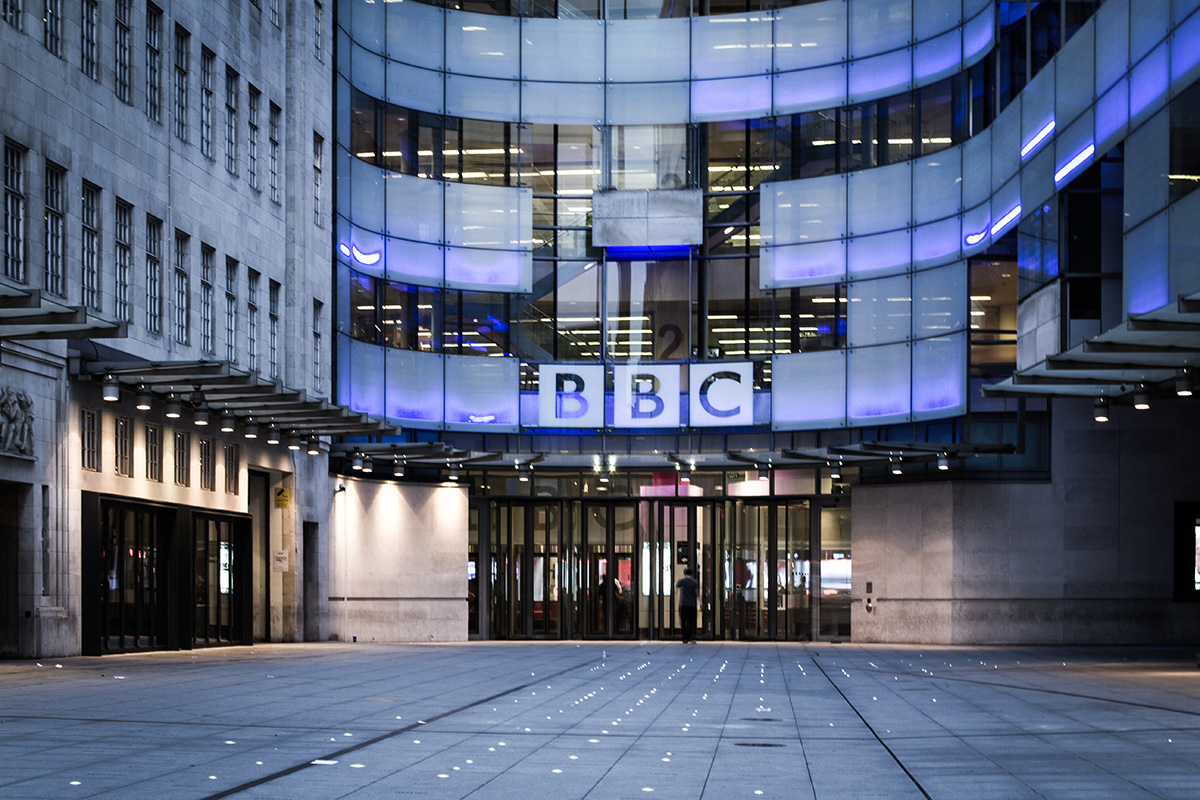
BBC World Service Expands Reach in Central and Eastern Europe
The BBC World Service is making a significant return to Hungarian and Romanian-language journalism with the launch of two innovative digital news platforms. These new services are specifically designed to cater to audiences across Central and Eastern Europe, reinforcing the BBC’s commitment to independent and impartial reporting.
Introducing BBC News Magyarul and BBC News Romania
Set to launch as pilot services in June, the new platforms, named BBC News Magyarul and BBC News Romania, will provide dedicated websites and social media channels. These services aim to serve audiences in Hungary, Romania, Moldova, and surrounding markets with high-quality, unbiased journalism. BBC News Magyarul will go live on June 16 at bbc.com/magyarul, complemented by Facebook and Instagram channels. Following shortly after, BBC News Romania will launch on June 23 at bbc.com/romania, with YouTube and TikTok channels to be introduced at a later date.
Content Focus and Technological Innovation
The new services will concentrate on a broad spectrum of global and regional developments. Coverage will include international affairs, European news, health, science, technology, climate issues, and the rising cost of living. Content will be delivered in social-first formats, specifically tailored to engage younger audiences. A key aspect of this expansion is the integration of AI-assisted translation technology. This advanced tool will be used under stringent human editorial oversight, with clear labeling whenever AI tools are employed. Alongside translated material, the editorial teams are committed to producing original reporting and in-depth analysis.
Strategic Expansion and Historical Context
This initiative marks a further strategic expansion for the BBC World Service, building on the success of BBC News Polska. The Polish-language service, which launched recently, has already demonstrated impressive reach, attracting an average weekly audience of 537,000 in its first year, a figure that has since grown to 808,000 in the latest quarter. Notably, women constitute almost 60% of its audience. The launch of these two new services will bring the total number of languages offered by BBC World Service to 45, including English. Historically, the BBC operated Hungarian-language radio and online services from 1939 to 2005, and a Romanian service from 1939 until 2008, making this a significant return to these regions.
Commitment to Independent Journalism in a Challenging Landscape
Fiona Crack, interim global director of BBC News, underscored the critical importance of this expansion: “In an age of shrinking press freedom, rising disinformation, and global uncertainty, delivering independent and impartial news has never been more important. Launching BBC News Magyarul and BBC News Romania is a milestone built on innovation, like AI-assisted translation tools used responsibly, in order to reach new audiences with trusted news.” Kateryna Khinkulova, editorial lead for both services, highlighted the aim to extend the BBC’s influence in the region, particularly among women and younger demographics. This relaunch comes at a time when public broadcasters are increasing investment in Central and Eastern Europe, driven by concerns over disinformation, declining media plurality, and political pressures on local media outlets. The BBC’s ongoing strategy involves rebuilding language services in the region, with BBC News Polska being its first new language launch in Europe in several years. The corporation is also actively exploring and implementing AI-assisted translation to broaden the reach of its journalism, including experiments with YouTube auto-dubbing and AI-supported localization, all while maintaining strict editorial oversight.
#BBCWorldService #DigitalNews #CentralAndEasternEurope #HungarianNews #RomanianNews #IndependentJournalism #AIinJournalism #MediaExpansion #TrustedNews #GlobalNews





Leave a Reply