


The government is simultaneously grappling with the economic consequences of the war in Iran, starkly outlined by the International Monetary Fund, and the intensifying arguments from some, including former NATO Secretary General Lord Robertson, that the conflict necessitates a faster and greater increase in defence spending.
The challenge is that increasing defence expenditure becomes more difficult when the economy continues to struggle, as it has done for many years already.
The Chancellor’s frustration is palpable in an interview with The Mirror, where she called it “folly” to initiate the conflict without clear objectives. Rachel Reeves stated, “This is a war that we did not start. It was a war that we did not want. I feel very frustrated and angry that the US went into this war without a clear exit plan, without a clear idea of what they were trying to achieve.”
It is little wonder she is angry. Reeves was already facing immense challenges, and now this. This comes just as she and other senior ministers, from Prime Minister Sir Keir Starmer downwards, were tentatively beginning to suggest that conditions were slowly improving.
At the start of the year, the prime minister declared, “we are turning a corner.” Ministers privately and publicly pointed to at least some economic indicators that appeared more promising.
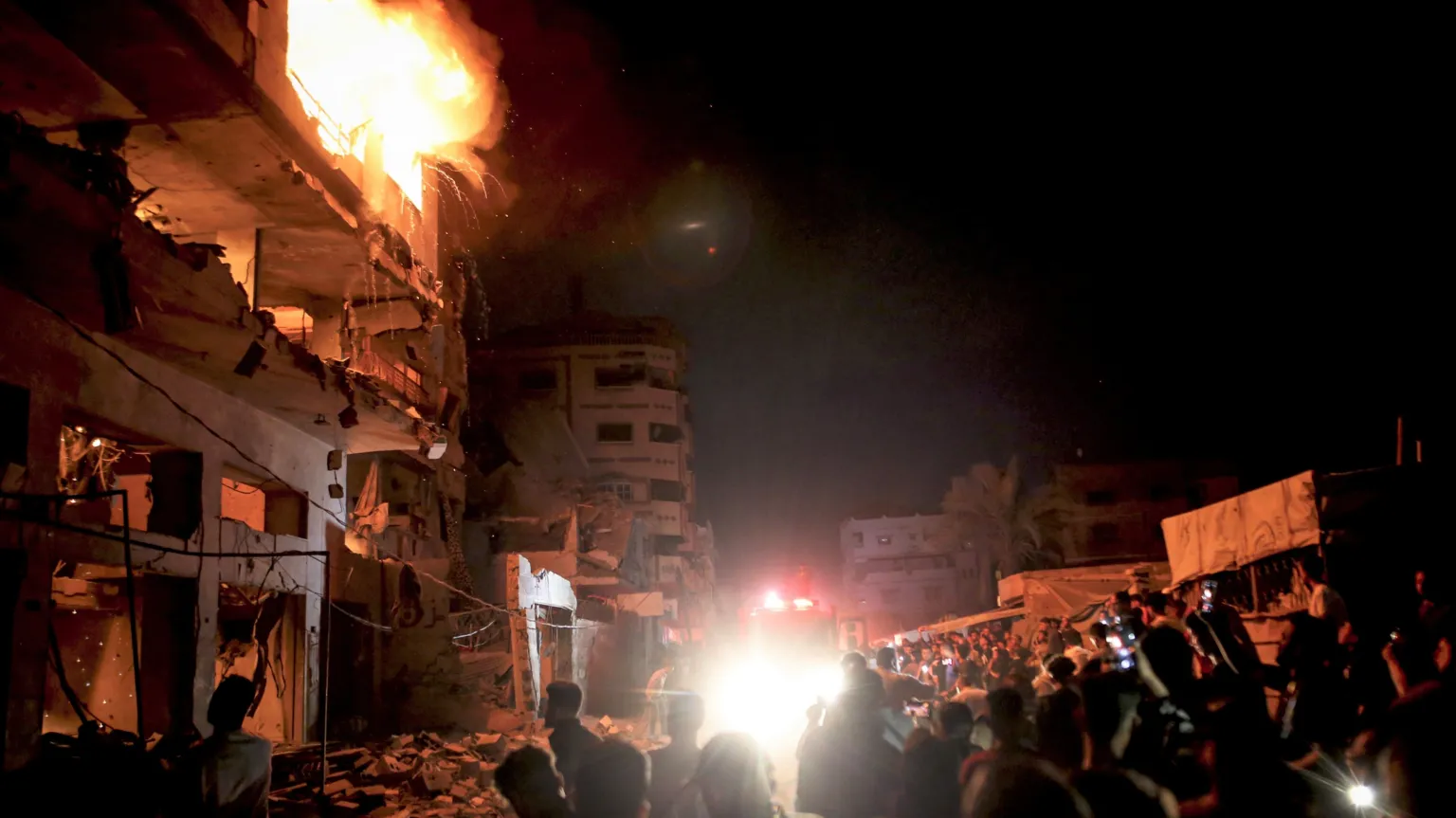
Then, missiles and fighter jets took to the skies, and everything changed.
This means the vicious circle tightens and darkens. A subdued economy leads to a subdued, restless, and perhaps cantankerous electorate. A subdued economy complicates the trade-offs and choices regarding public spending. And the wars – Iran, as well as Ukraine – prompted Lord Robertson to lash out at the Chancellor, accusing “non-military experts in the Treasury,” as he put it, of “vandalism.”
However, the Treasury’s role is to meticulously oversee public spending, and it doesn’t take many conversations in Westminster before accusations of wastage by the Ministry of Defence over the years surface.
Lord Robertson also struck a sensitive point for Labour when he claimed that the “cold reality of today’s dangerous world is that we can’t defend Britain with our ever-expanding welfare Budget.”
Last summer, the prime minister lost a battle with his own backbenchers over slowing the rate of increase in the benefits bill. There is talk among government figures that they will, in time, attempt another shake-up of the system. But it is politically very difficult, particularly for the Labour Party.
The long-promised Defence Investment Plan, intended to detail how the Ministry of Defence will fund its requirements, was due in the autumn of last year.
Winter has since passed, and the clocks have changed again, yet there is still no sign of it.
Perhaps this is unsurprising given all the political, fiscal, and international pressures the government is attempting to absorb.
When the plan eventually sees the light of day, the debate will broaden. How will this government and its successors, and society at large, confront the choices a more robust defence posture will demand?
Can health, benefits, and defence budgets all continue to rise simultaneously, when the tax burden – the proportion of the country’s income going to the government – is already projected to reach a historic high of 38% by 2031? What can give, and when?
These will be recurring questions in the years, and perhaps decades, to come.
#IranWar #LabourParty #UKPolitics #DefenceSpending #EconomicImpact #RachelReeves #KeirStarmer #Treasury #PublicSpending #ForeignPolicy


Leave a Reply