


The 21-hour marathon talks in Islamabad failed to bridge the 47-year chasm of hostility between Iran and the United States. These historic high-level discussions, held amidst a pause in weeks of intense conflict, were always facing immense challenges. Describing the negotiating session as a “failure” merely underscores the monumental task of resolving deep-seated issues, from long-standing suspicions surrounding Iran’s nuclear program to new crises like Iran’s control over the strategic Strait of Hormuz, whose closure has triggered global economic repercussions. A deal also necessitated overcoming profound mutual distrust.
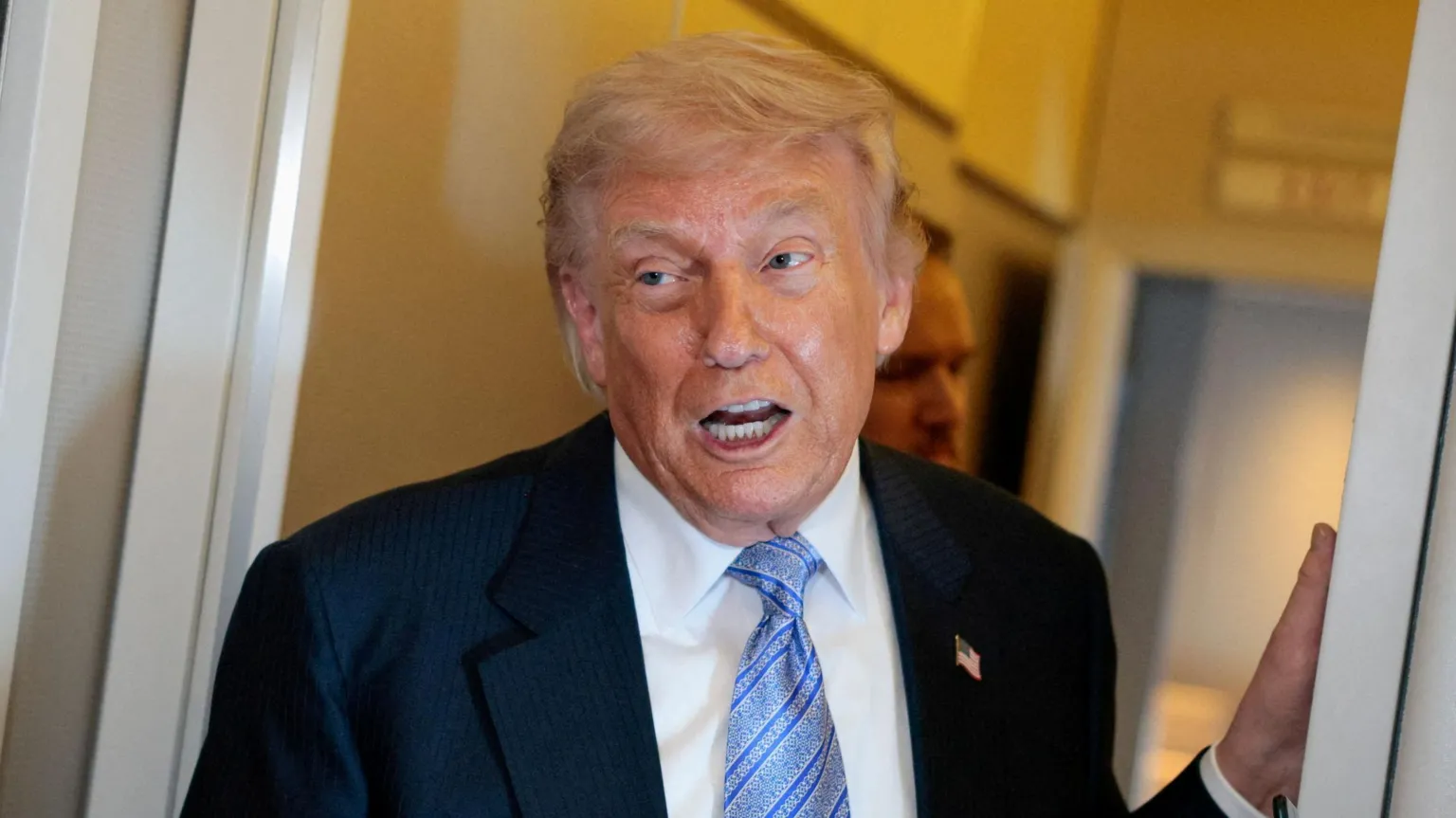
Just a day prior, the prospect of the two sides even meeting, let alone sitting in the same room, seemed uncertain, marking the breaking of a significant political taboo. Now, the urgent question looms: what comes next? What will be the fate of the contested two-week ceasefire that averted US President Donald Trump’s alarming threat to devastate an “entire civilization” in Iran? Will the US President be inclined to send his negotiators back to the table?
Reports from Islamabad suggest that some conversations have continued even after US Vice-President JD Vance departed at sunrise, having declared the US delegation’s “final and best offer.” The critical decision now for the US is whether to escalate or negotiate further.
Details remain scarce regarding the discussions held behind the tightly closed doors of a five-star hotel in a locked-down Islamabad, where talks extended late into the night. Information on specific disputes and agreements between the two sides, facilitated by Pakistani mediators, is limited. Vance mentioned calls to and from experts, advisers, and “dozens” of calls to President Trump himself.
During his brief dawn news conference, the Vice-President outlined the US’s “core goal”: “We need to see an affirmative commitment that [Iran] will not seek a nuclear weapon and they will not seek the tools that would enable them to quickly achieve a nuclear weapon,” he stated.
In the previous round of talks in February, before military strikes resumed, Iran had offered new concessions, including the dilution of its 440kg stockpile of uranium enriched to 60% – dangerously close to weapons-grade. However, Iran continues to assert its “right” to enrich and has resisted relinquishing this stockpile, which is now reportedly buried deep in rubble following US and Israeli air strikes last year. Furthermore, Iran has repeatedly refused demands to reopen the Strait of Hormuz – crucial for the free flow of oil, gas, and other vital goods – without a new agreement.
Both the US and Iranian delegations arrived in Islamabad confident in their perceived advantage in the ongoing conflict. They engaged in talks knowing that failure presented the option to continue fighting, regardless of the escalating suffering for their own populations and a world grappling with the costs of this conflagration. Dr. Sanam Vakil of Chatham House highlighted a “limited psychological understanding of the adversary and what compromises are needed for a real deal.”
Vance acknowledged both good news – “we’ve had a number of substantive negotiations” – and bad news: “We have not reached an agreement.” He emphasized that this was “bad news for Iran much more than the United States of America.”
Iran’s foreign ministry spokesman Esmail Baghaei criticized the US’s “excessive demands and unlawful requests” on X. Mohammad Bagher Ghalibaf, Iran’s parliamentary speaker and head of its negotiating team, stated that “the opposing side ultimately failed to gain the trust of the Iranian delegation in this round of negotiations.”
Iran has signaled its willingness to continue dialogue. Pakistan’s Foreign Minister Ishaq Dar urged all parties to uphold the fragile ceasefire and pledged continued efforts to encourage dialogue, sentiments echoed by other concerned capitals.
Historically, the 2015 nuclear deal between Iran, the US, and other world powers took 18 months of breakthroughs and breakdowns. President Trump has made it clear he wishes to avoid protracted negotiations, and Vance previously warned against Tehran attempting to “play us.”
Pakistani journalist Kamran Yousef, among many who worked through the night for continuous coverage despite limited information, characterized this round as “no breakthrough but no breakdown either.” The world now awaits a definitive verdict.
#IranUSATalks #NuclearDeal #StraitOfHormuz #IslamabadTalks #Ceasefire #MiddleEast #Diplomacy #InternationalRelations #IranNuclearProgram #Geopolitics


Leave a Reply