


Three years into its devastating civil war, Sudan has been rendered almost unrecognizable. The conflict has claimed over 40,000 lives, forced approximately 14 million people – a quarter of the nation’s population – to flee their homes, and left civilian infrastructure across the country extensively damaged.
“We are not just facing a crisis – we are witnessing the systematic erosion of a country’s future,” stated Luca Renda, the United Nations Development Programme’s (UNDP’s) resident representative in Sudan, in an interview with Al Jazeera.
A comprehensive report by the UNDP and the Institute for Security Studies starkly outlines the immense scale of Sudan’s economic collapse. This downturn began in 2023, sparked by a brutal power struggle between the national army and the paramilitary Rapid Support Forces (RSF).
Even under the most optimistic scenario, where peace is miraculously achieved by 2026, Sudan is still projected to lose an estimated $18.8 billion in its gross domestic product (GDP) by 2043. This grim forecast, detailed in the report, underscores the profound and lasting impact the war has already had on the nation’s economic trajectory.
The report further warns that the damage extends far beyond mere lost economic activity, deeply affecting the very foundations of Sudan’s economy, including crucial sectors like agriculture, industry, services, and state institutions.
Let’s delve deeper into how this conflict has impacted Sudan, already one of the world’s most impoverished nations.
How Has the War Affected Sudan’s Infrastructure and Basic Services?
The widespread destruction of Sudan’s infrastructure and the subsequent collapse of essential systems supporting daily life and economic activity have imposed an immense economic burden on the nation.
According to UNDP estimates, Sudan alone lost $6.4 billion in its GDP in 2023. Renda described this loss as reflecting “a simultaneous collapse across all major parts of Sudan’s economy,” largely driven by infrastructure destruction. Sudan’s GDP stood at $26 billion in 2023, the year fighting erupted as army chief Abdel Fattah al-Burhan and RSF leader Mohamad Hamdan Dagalo fiercely vied for power.
The ongoing conflict has severely damaged farmland, irrigation systems, and vital transport networks, leading to a 15 percent drop in cultivated land. In urban centers, the destruction of factories and power supply infrastructure has caused industrial activity to plummet by approximately 90 percent, resulting in widespread business closures and massive job losses.
Alarmingly, up to 40 percent of power generation capacity has been lost, and critical water infrastructure has either been destroyed or seized, leaving countless communities without access to clean water and sanitation.
“The destruction of infrastructure not only triggers displacement but also makes it extremely difficult for people to secure adequate housing or access basic services once displaced,” Renda emphasized to Al Jazeera.
As water systems have collapsed, outbreaks of diseases, including cholera, have become rampant, placing immense strain on an already weakened health sector and significantly increasing the long-term costs of recovery.
The World Health Organization (WHO) has verified over 200 attacks on healthcare facilities, with fewer than 14 percent remaining fully operational in conflict-affected areas. Furthermore, thousands of schools have either closed or been damaged, severely disrupting the education of millions of children.
What Has Happened to Sudan’s Labour Market?
Agriculture, once the backbone of Sudan’s economy and employer of approximately 65 percent of the workforce, has been severely crippled by the war. Cultivated land has dramatically shrunk, adversely impacting rural livelihoods. Many rural communities, historically dependent on farming for income and food, have lost their economic base, critically weakening a sector that previously sustained millions of families.
According to the UNDP, average incomes have plummeted to levels last seen in 1992, starkly underscoring the profound depth of the economic shock and its devastating impact on households nationwide.
Approximately 90 percent of manufacturing activity in key economic hubs has been destroyed, eliminating thousands of jobs. Concurrently, the informal economy, a vital source of survival for many Sudanese, has significantly contracted as resource shortages and mass displacement have forced the closure of small businesses and markets.
Mass displacement has further exacerbated the crisis, with over 14 million people forced from their homes and pushed out of both formal and informal employment, making it increasingly challenging to sustain livelihoods.
What Has the War Done to Sudan’s Oil Industry?
Oil output has sharply declined amidst widespread instability and severe infrastructure damage. The Khartoum refinery (Al-Jaili), which once processed up to 100,000 barrels per day and supplied about half of Sudan’s fuel needs, has been non-operational since July 2023.
Refinery officials have reported that parts of the facility have been destroyed, and other sections require complete replacement following repeated strikes in 2024 and 2025.
Even though recaptured by the army in 2025, the facility remains non-operational, highlighting the extensive damage.
Crucial infrastructure elsewhere has also suffered. Pipeline routes transporting crude oil to Port Sudan have shut down due to war-related damage, while facilities at Heglig were disrupted by RSF drone attacks.
What Effect Has the War Had on Prices?
The collapse of the Sudanese pound and severe disruptions to supply chains have triggered a sharp and alarming rise in living costs across Sudan.
The Sudanese pound has plummeted from approximately 570 per dollar before the war to an astonishing 3,500 to 3,600 per dollar today, according to the Sudan Central Bureau of Statistics. This drastic depreciation has made imports prohibitively expensive.
Consequently, food prices have surged dramatically. In the capital, Khartoum, four pieces of bread now cost approximately 1,000 pounds, an amount that previously bought six. In Gezira State, a 50kg (110lb) sack of sugar has risen from 155,000 to 175,000 pounds, while a bag of cement has jumped from 35,000 to 55,000 pounds, as reported by traders quoted by the Sudan Tribune.
Essential household items have followed the same alarming trend. In Port Sudan, a 7-litre (nearly 2-gallon) container of cooking oil increased from 30,000 to 35,000 pounds, placing even greater pressure on already strained family budgets.
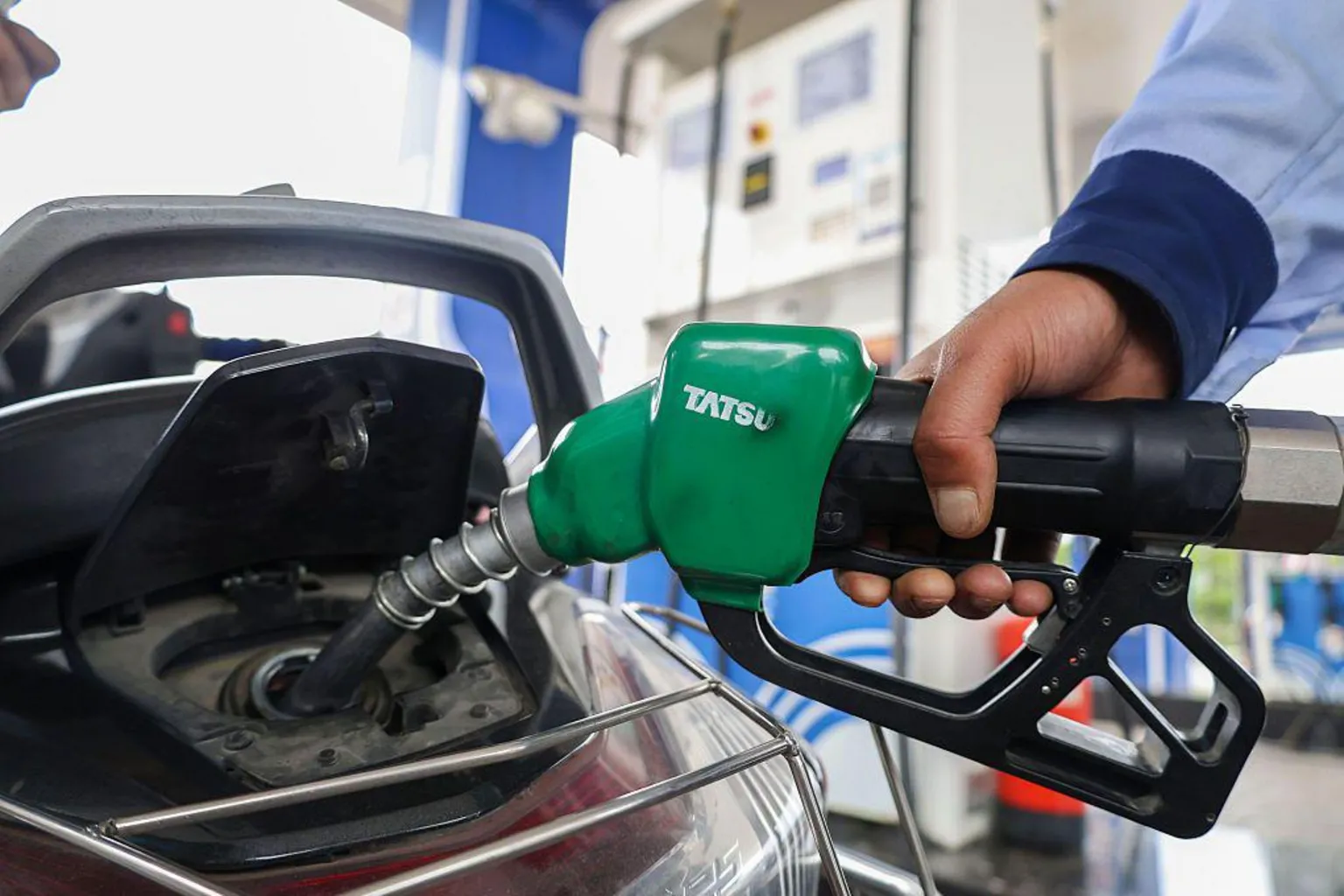
Transport and fuel costs have also seen sharp increases. Bus fares in Wad Madani are up approximately 50 percent. Rickshaw fares have nearly doubled in some areas, and fuel prices have soared to more than 7,000 pounds per litre in several regions.
However, wages have tragically failed to keep pace with rampant inflation, leaving many households unable to access basic necessities. According to the UNDP, nearly half the population is now experiencing acute food shortages, while almost 90 percent of displaced households report they cannot afford enough food.
What Does the Economic Collapse Mean for Sudan’s People?
The devastating collapse of Sudan’s economy cannot be fully grasped through numbers alone; its human cost is immeasurable.
“A child born in Sudan after April 2023 enters a world where the hospital that should care for them is likely closed, the school that should educate them is probably not functioning, and the family that should support them has likely been displaced,” Renda lamented, adding that this crisis is resulting in “lost childhoods, lost education, lost health.”
Currently, approximately 34 million people are in dire need of assistance, with 19 million facing acute food shortages.
The profound human cost is already starkly visible. Approximately 5.6 million children have been born since the war began, many entering a world where essential health facilities are non-operational.
Education has been severely disrupted for an estimated 19 million children, according to the UNDP, with only about 20 percent of schools currently operational in some conflict-affected areas.
What Does Continued War Mean for Sudan’s Future?
The war has already inflicted immeasurable death, trauma, and profound loss, casting a long and dark shadow over Sudan’s future and dimming the prospects of an entire generation whose lives are being tragically shaped by relentless violence.
Should the conflict tragically persist until 2030, Sudan’s economy in 2043 would be approximately $34.5 billion smaller than it would have been without the war, and GDP per capita would plummet by roughly $1,700, according to dire UNDP estimates.
Extreme poverty would surge to affect over 60 percent of the population, pushing an additional 34 million people into severe deprivation.
Renda described the war as a “shrinking opportunity for recovery,” where each passing month of continued conflict locks in deeper and more irreversible damage.
“Every additional month costs lives and deepens structural damage,” he told Al Jazeera, emphasizing, “The most urgent priority is to stop the conflict.”
“The choices made now will determine whether Sudan’s trajectory can still be reversed,” he concluded, highlighting the critical juncture the nation faces.
#SudanWar #SudanCrisis #EconomicCollapse #HumanitarianCrisis #UNDPReport #SudanConflict #Displacement #FoodShortage #InfrastructureDamage #PeaceForSudan





Leave a Reply