

The ongoing conflict between Israel and Hezbollah, rooted in decades of tension since 1982, has intensified, with Israeli rhetoric framing the current operations as a continuation of this long-standing struggle. Hezbollah remains a significant concern for northern Israeli communities. Beyond dismantling infrastructure in southern Lebanon, the Israeli military aims to exert pressure on the Lebanese state to disarm the group.
These Israeli justifications are familiar in the Middle East, often preceding periods of heightened aggression. Lebanon, with its fragile military and complex internal power dynamics among Christians, Sunni, and Shia Muslims, presents a vulnerable target. Furthermore, it hosts Israel’s most persistent military adversary directly on its border.
However, these strategic explanations often mask a more immediate and powerful motivation:
Domestic Political Imperatives
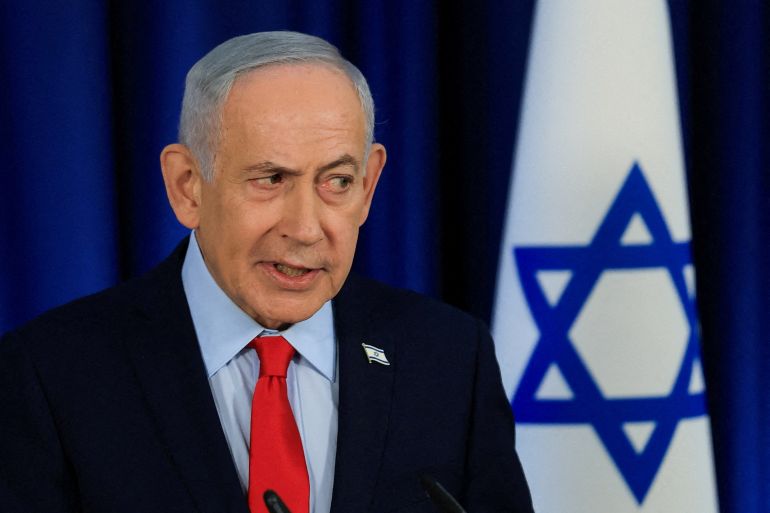
This rationale revolves around **domestic Israeli political considerations and the pressing need for a decisive victory amidst recent setbacks.** Prime Minister Benjamin Netanyahu’s government has struggled to deliver on its promise of security, failing to achieve a clear victory against Hamas or to effectively influence the future trajectories of Iran and Palestine. The article suggests that widespread destruction does not equate to triumph.
At the time, even with close allies like then-US President Donald Trump engaging directly with Iran, Israeli influence on these negotiations appeared limited, particularly after unfulfilled promises of swift victories. Concurrently, progress on the future of Palestine remained stalled, with Hamas retaining control over parts of Gaza.
Israel’s demand for the complete disarmament of Hezbollah, mirroring its stance on Hamas, is reportedly seen by some anonymous Israeli army sources as achievable only through the full occupation of Lebanon and Gaza. The article emphasizes that occupation is a state of war, bringing daily suffering and a prolonged struggle against oppression, rather than a mere military operation or a path to quick victory.
Despite these complexities, Netanyahu reportedly seeks to be remembered as the leader who secured a definitive triumph in what could become Israel’s longest conflict. With Iran’s influence perceived as waning and Gaza becoming a broader regional and international issue, eliminating Hezbollah’s presence on Israel’s northern border is presented as his primary remaining avenue for claiming victory.
Following the October 7 attacks, the evacuation of northern Israel fueled widespread rumors of an impending Hezbollah invasion of the Galilee. Israeli media outlets amplified fears of a multi-front plan, allegedly orchestrated from Tehran, to ‘destroy’ Israel. The article suggests that the actual threat level from Iran or Hezbollah’s invasion plans became secondary to the narrative being propagated.
In light of perceived failures in Gaza and regarding Iran, preventing a hypothetical Hezbollah invasion from the north is portrayed as Netanyahu’s sole remaining political promise to future voters.
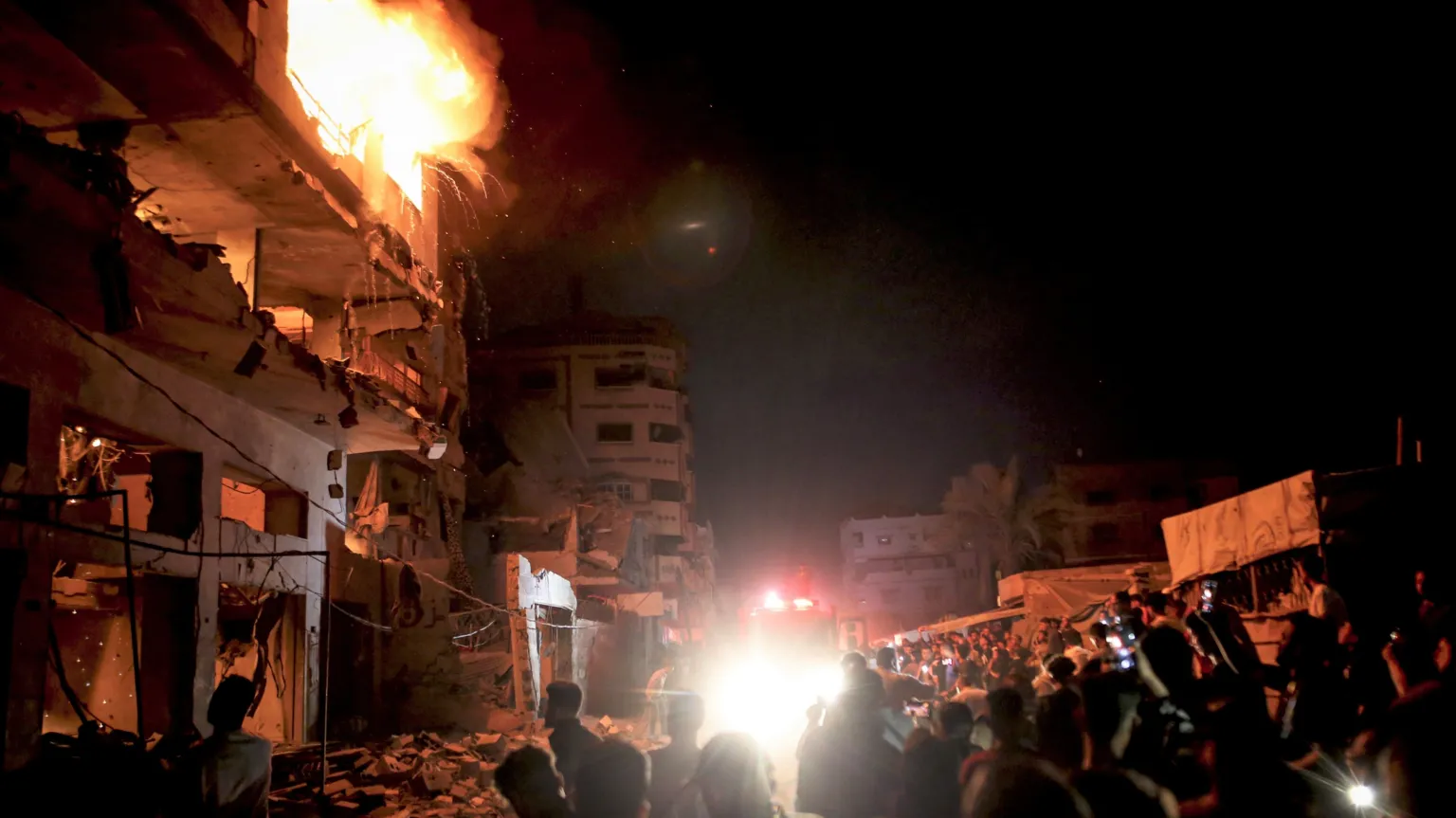
Furthermore, Lebanon is seen as an opportunity to implement a ‘straightforward’ military strategy. The article describes a scenario where the destruction of Shia villages and the displacement of their populations towards Beirut could enable the Israeli army to execute a plan similar to one allegedly considered for Gaza: anyone remaining who does not become a refugee would be considered Hezbollah and summarily targeted. Reports indicate that Shia villages in southern Lebanon are already facing demolition, with local Christian and Sunni leaders reportedly warned against sheltering fleeing Shia populations. Such actions are presented as becoming normalized in the current regional context.
Such a strategy, which views Lebanese lives as expendable in Israel’s strategic calculations, is depicted as politically acceptable across the spectrum of Jewish Israeli politicians. It is also suggested to be perceived as a credible option internationally, particularly while global attention is directed towards Iran and the Strait of Hormuz. This scenario, the article implies, allows Israel to pursue its objectives with less scrutiny, potentially enabling the army to declare victory, secure Netanyahu’s political future, and allow Israelis to refocus on internal political debates.
It is noteworthy what Israel has *not* yet done. Despite Israeli troops operating in southern Lebanon, a full-scale invasion, akin to 1982 or even 2006, has not been launched. Similarly, the US has not initiated a ground invasion of Iranian territory. Both nations appear to recognize that the pursuit of military victory must be weighed against the significant immediate risks and costs of such extensive operations, leaving a glimmer of hope that a wider disaster might still be avoided. *The views expressed in this article are solely those of the author and do not necessarily reflect the editorial stance of Al Jazeera.*
#Netanyahu #LebanonWar #Hezbollah #IsraelPolitics #MiddleEastConflict #GazaCrisis #RegionalSecurity #Geopolitics #IsraeliMilitary #InternationalRelations








Leave a Reply