

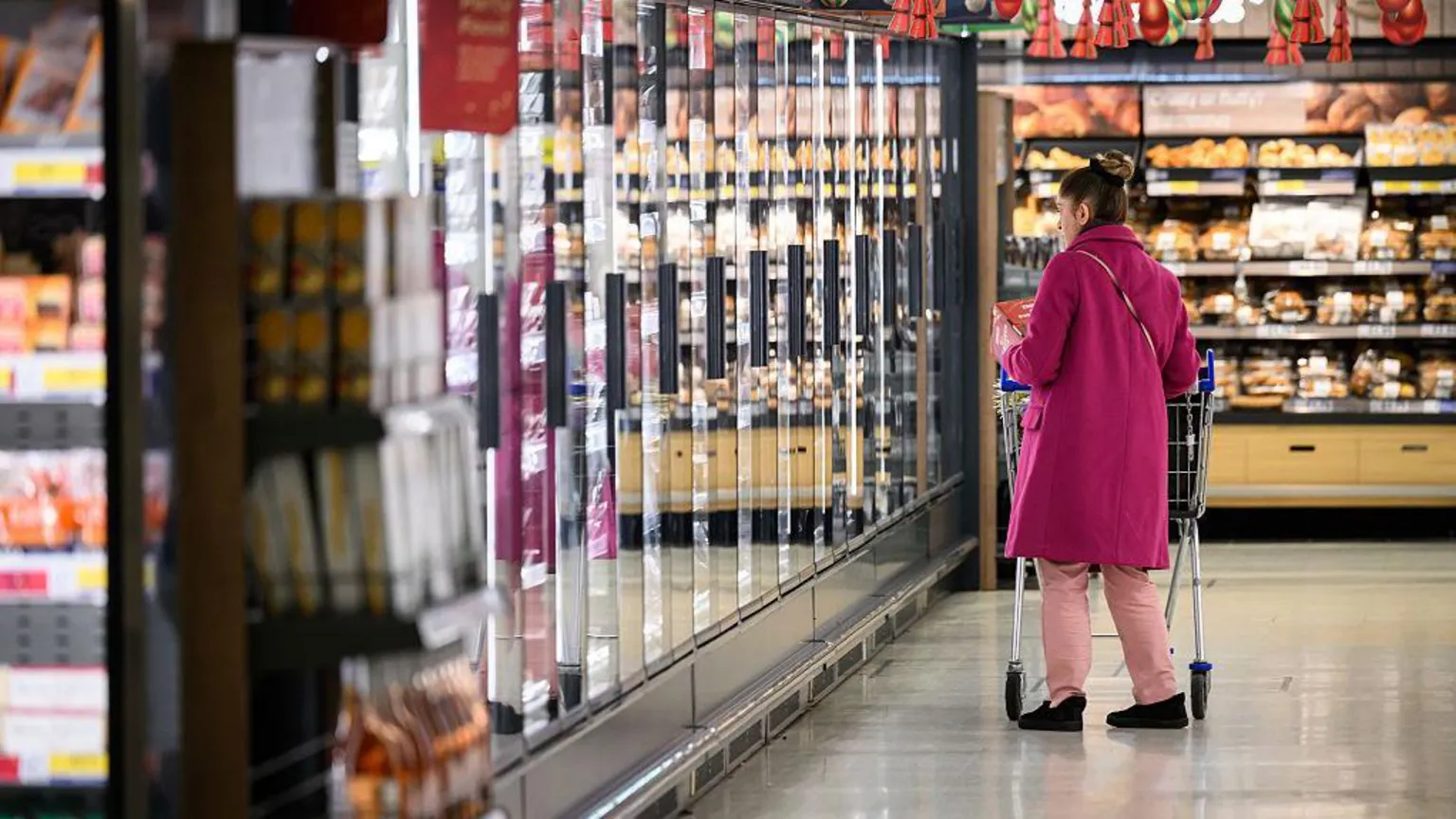
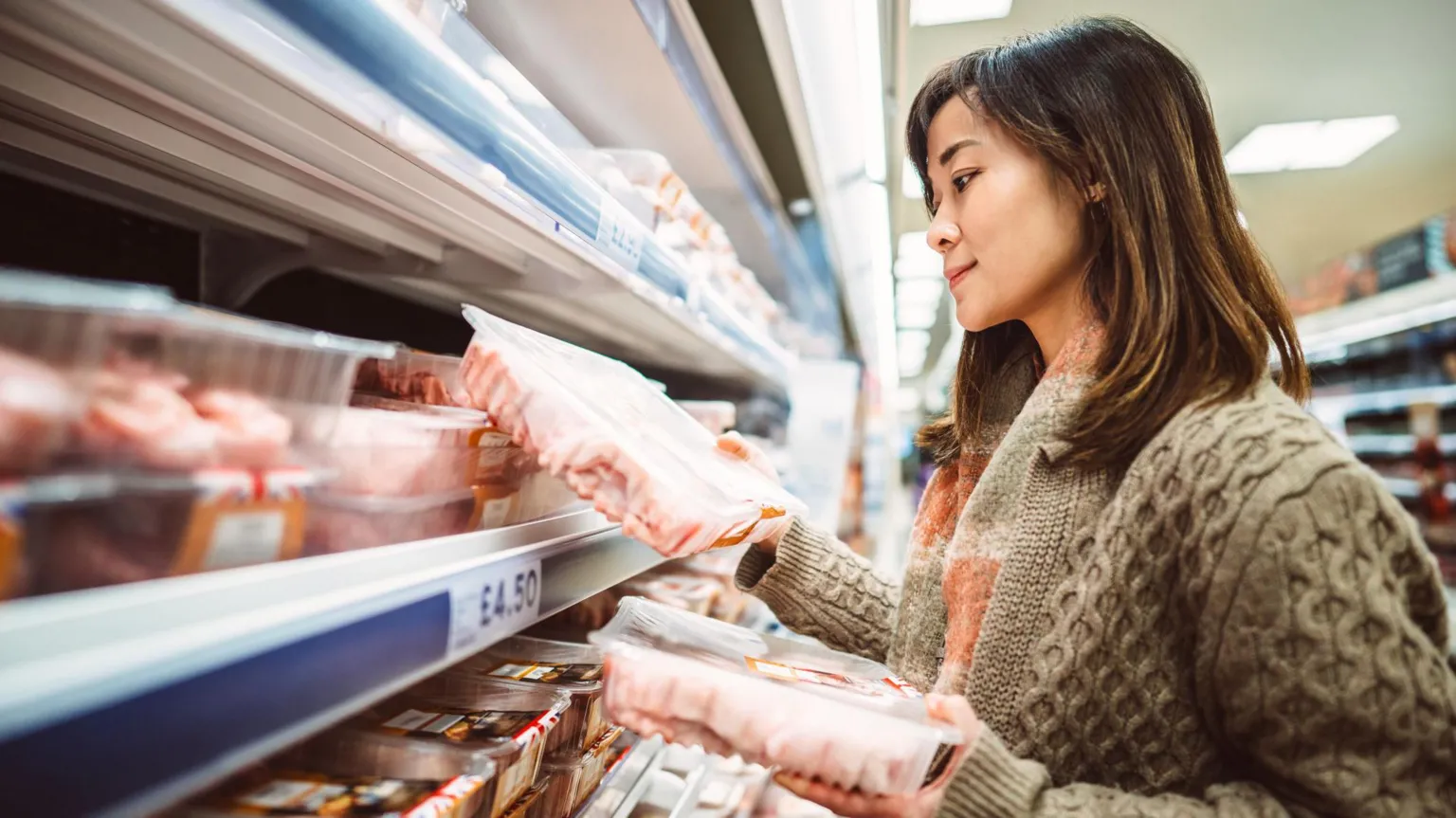
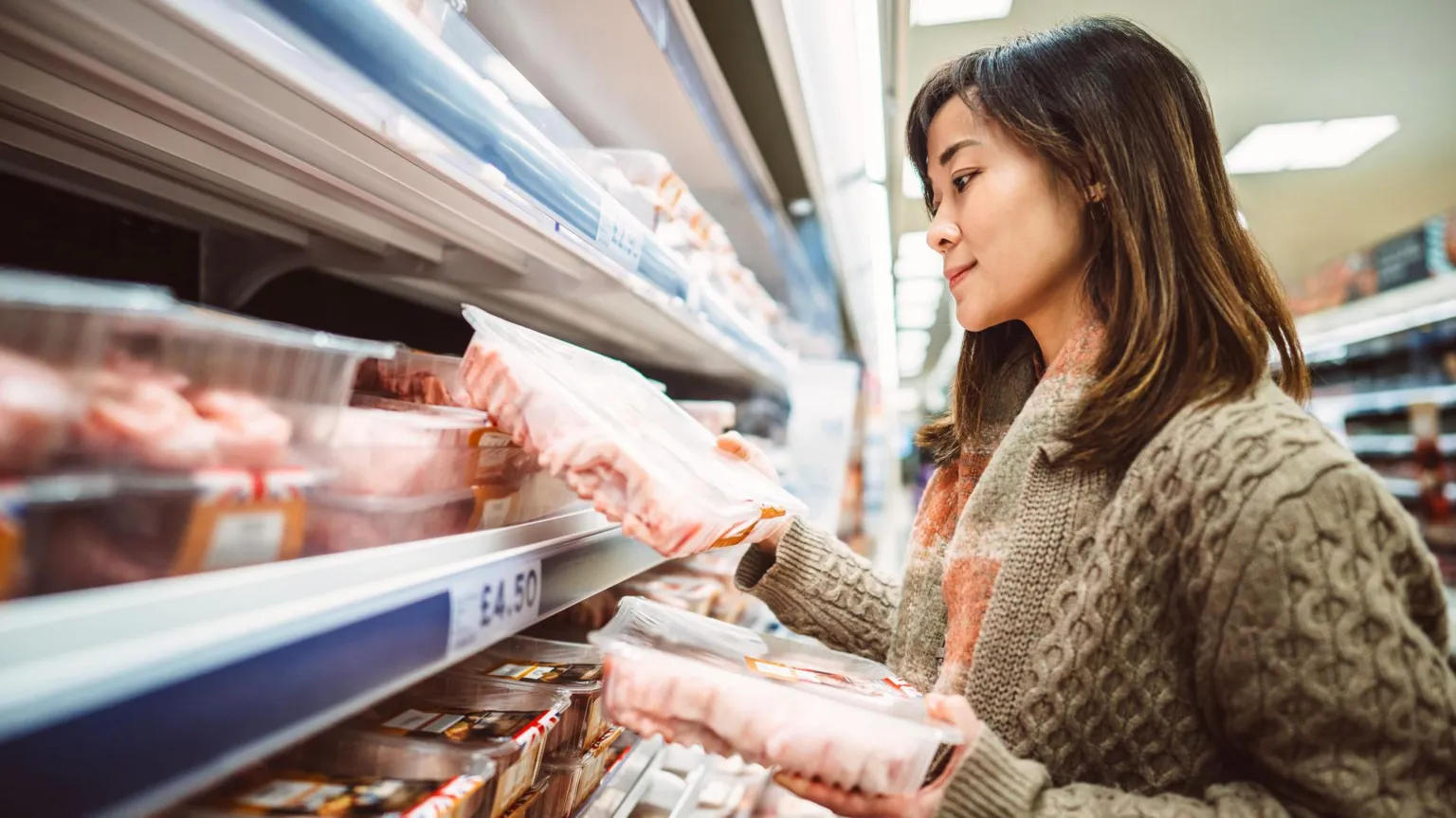
The United Kingdom government is reportedly preparing for potential food shortages by summer, under a worst-case scenario related to the ongoing Middle East conflict. This contingency planning, drawn up by government officials, suggests that staple items such as chicken and pork could become scarce.
The primary concern in this scenario is a prolonged closure of the Strait of Hormuz, a critical global waterway. Such a closure could significantly reduce domestic supplies of carbon dioxide (CO2), which is essential for the humane slaughter of some animals and for food preservation.
A government source, speaking to the BBC, confirmed that planning is underway for this extreme scenario, which envisions a continued closure of the strait and disruptions to the domestic CO2 supply. However, the source emphasized that this planning is not a prediction of future events and does not imply an actual lack of food supplies.
Reassurances have been offered by key figures. Business Secretary Peter Kyle stated to Sky News that CO2 availability is “not a concern for the British economy at this moment.” Similarly, Ken Murphy, the CEO of Tesco, reported no issues with food availability, noting that none of Tesco’s growers, suppliers, or manufacturers have raised supply risks. “We are not flagging any issues in our supply chain at this point… we’re not seeing any availability issues. We are in very good shape,” Murphy added, though he refrained from commenting on potential food price changes due to the “volatile, unpredictable situation.”
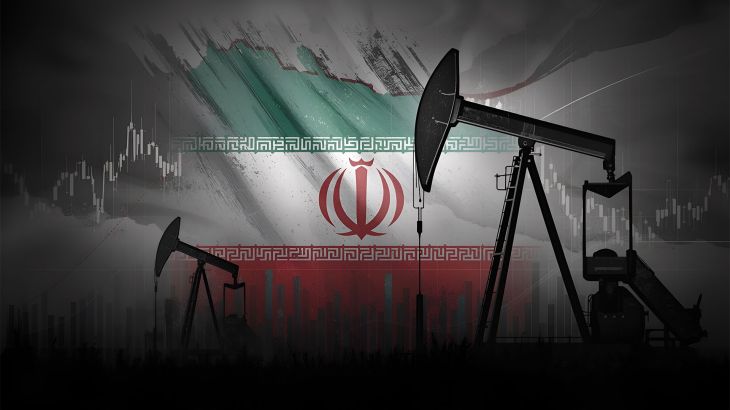
The broader economic context includes a significant surge in petrol and diesel prices since February 28, following wide-ranging strikes by the US and Israel on Iran, and Iran’s subsequent effective closure of the Strait of Hormuz. This action has contributed to higher global costs for fuel and fertilizer, both crucial components of food production.
Earlier this week, the International Monetary Fund (IMF) warned that the conflict could lead to a global economic recession, with the UK projected to be among the hardest-hit advanced economies. The National Farmers Union (NFU) has also indicated potential price increases for cucumbers and tomatoes over the next six weeks, with other crops and milk possibly seeing price hikes in the coming three to six months.
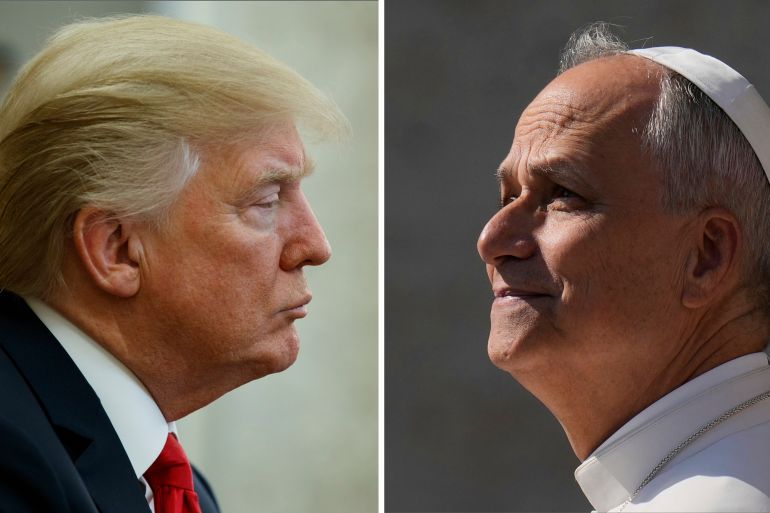
Amidst these developments, US President Donald Trump has suggested that talks aimed at ending the conflict could resume this week, following a collapse in negotiations over the weekend which led to the US blockading Iranian ports.
#UKNews #FoodSecurity #MiddleEastConflict #StraitOfHormuz #SupplyChain #EconomicImpact #GlobalEconomy #FoodPrices #CO2Supply #Geopolitics



Leave a Reply