

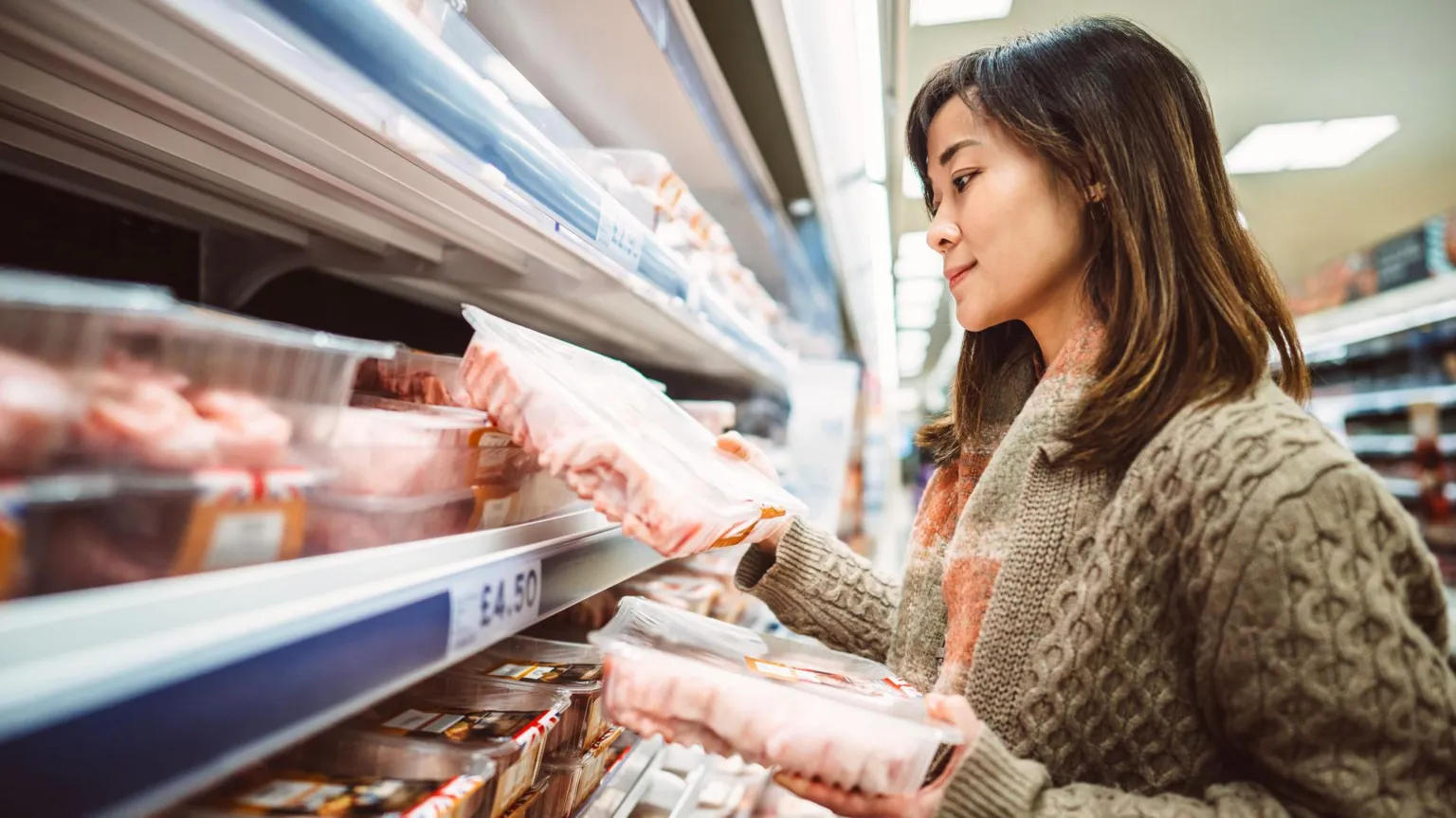
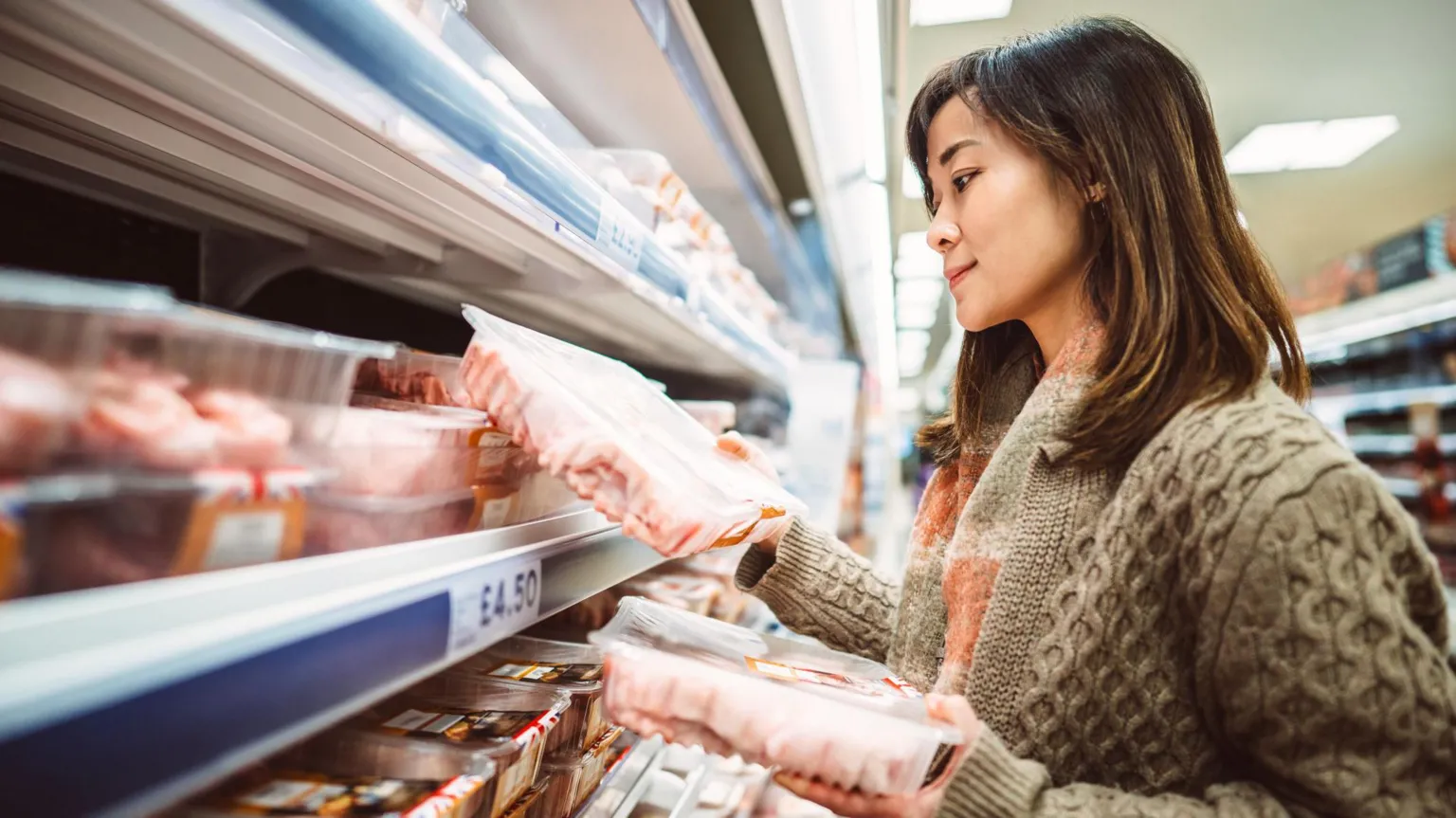
The United Kingdom is bracing for potential food shortages, including key items like chicken and pork, by this summer. This scenario is being considered as a worst-case outcome if the ongoing conflict involving Iran persists, according to contingency plans developed by government officials.
Government Contingency Planning
A government source informed the BBC that planning is underway for a situation that would involve the continued closure of the Strait of Hormuz and significant disruptions to the supply of carbon dioxide (CO2). The source emphasized that this planning does not represent a prediction of future events, nor does it necessarily suggest an imminent lack of food supplies.
CO2 plays a crucial role in the food industry, being utilized in the slaughter of certain animals and in various food preservation processes.
Business Secretary Peter Kyle stated on Thursday that the availability of CO2 is not currently a concern for the British economy. He advised the public to “go on as they are” at this moment.
Industry Reassurances and Concerns
Following reports of the contingency plans, the CEO of Tesco, Ken Murphy, assured that there are no immediate issues with food availability. He noted that none of his growers, suppliers, or manufacturers have flagged any supply risks thus far. Murphy added, “We are not flagging any issues in our supply chain at this point… we’re not seeing any availability issues. We are in very good shape.”
However, Murphy declined to comment on potential food price changes, acknowledging the “volatile, unpredictable situation.”
Economic Repercussions of the Conflict
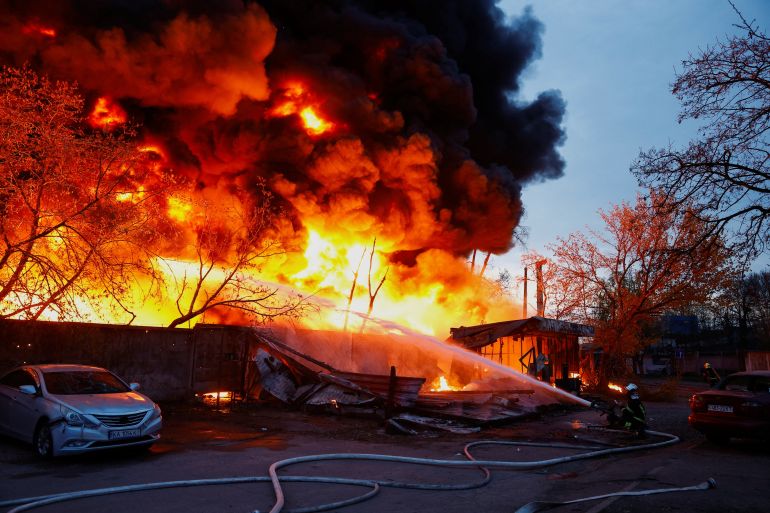
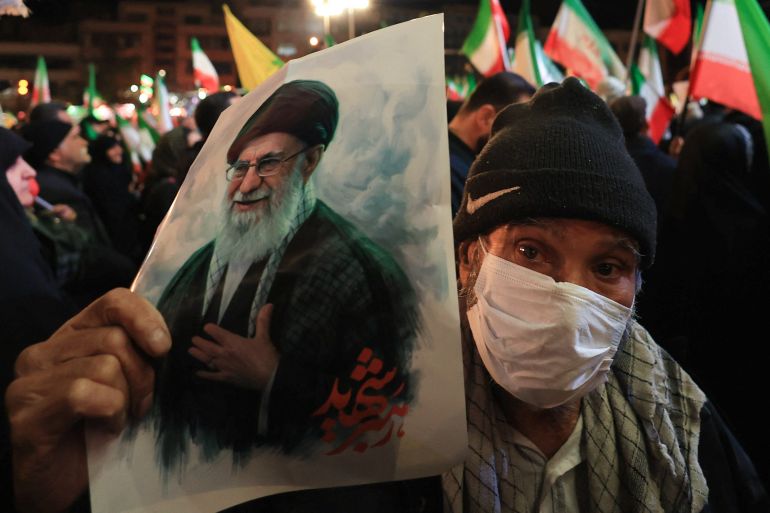
Petrol and diesel prices have seen a significant surge since the US and Israel initiated wide-ranging strikes on Iran on February 28. In response, Iran effectively shut the Strait of Hormuz, a vital global waterway for oil and gas transportation. This blockade has led to increased global costs for fuel and fertilizer, both of which are critical components of food production.
Last month, the government took steps to bolster the UK’s critical carbon dioxide supplies by temporarily restarting the Ensus bioethanol plant, which had been mothballed in September. The plant, which produces bioethanol and generates CO2 as a byproduct, was initially closed after a trade deal with the US removed tariffs on American ethanol imports into the UK. A spokesperson for Ensus expressed confidence in their ability to “continue to produce CO2 for the country’s needs for the foreseeable future.”
Broader Economic Warnings and Food Price Forecasts
Earlier this week, the International Monetary Fund (IMF) issued a warning that the conflict could plunge the global economy into recession, with the UK projected to be among the hardest hit advanced economies.
The National Farmers’ Union has indicated that prices for cucumbers and tomatoes could rise over the next six weeks, with other crops and milk potentially seeing price increases within the next three to six months.
Kevin White, international trade editor at The Grocer magazine, stated that it is “pretty much inevitable that we’re going to see inflation in food.” He explained that suppliers, farmers, hauliers, and logistics operators operate on thin margins and cannot absorb significant price shocks, which ultimately drives inflation. White concluded that “without scaremongering, it’s almost inevitable that the energy price shocks, and just the supply chain disruption that we’re seeing… it’s going to kind of feed into inflation across food and drink.”
Diplomatic Efforts and Stalled Negotiations
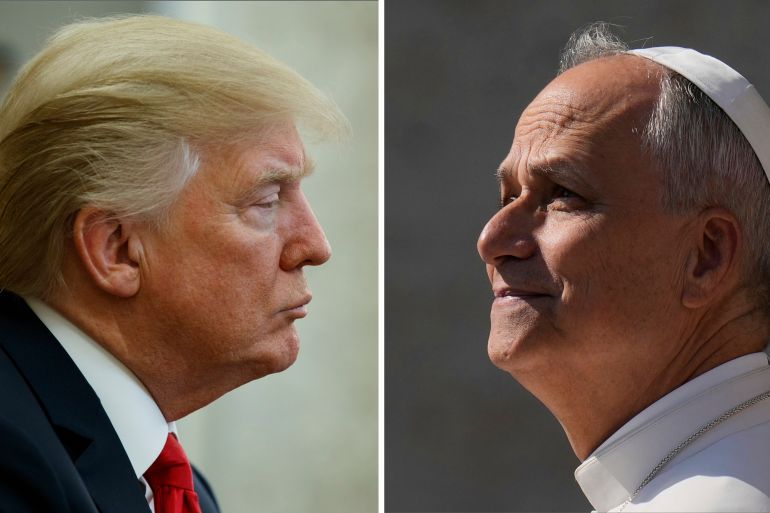
US President Donald Trump has suggested that talks aimed at resolving the conflict in Iran could resume this week, following the collapse of negotiations over the weekend, which led to the US blockading Iranian ports. On Wednesday, Chancellor Rachel Reeves criticized the US decision to end diplomatic negotiations with Iran and engage in military conflict, calling it a “mistake.”
#UKFoodSecurity #IranConflict #SupplyChainDisruption #StraitOfHormuz #CO2Crisis #GlobalEconomy #FoodInflation #Geopolitics #EconomicImpact #InternationalRelations



Leave a Reply