

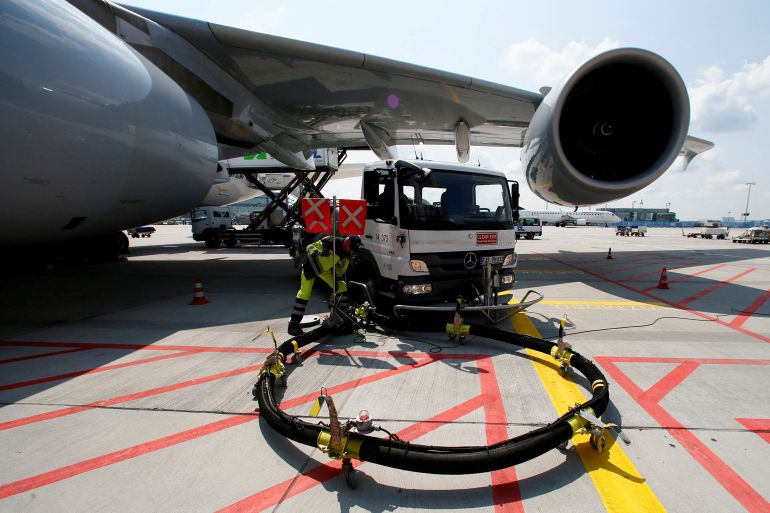
Seven weeks after significant geopolitical events in the Middle East led to airspace closures and plunged the aviation industry into chaos, airlines traversing the region are slowly returning to normal traffic. However, a new and potentially more damaging threat has emerged: a critical shortage in jet fuel that could ground flights across Europe, just as the crucial summer travel season approaches.
On Thursday, Fatih Birol, the head of the International Energy Agency (IEA), issued a stark warning to the AP news agency, stating that Europe has “maybe six weeks or so [of] jet fuel left.” He cautioned that flight cancellations could occur “soon” if oil supplies remain halted by the ongoing regional tensions, despite a two-week truce called last week.
The Heart of the Disruption: The Strait of Hormuz
At the center of this disruption is a severe shortage of jet fuel, largely due to ongoing tensions affecting the Strait of Hormuz. This vital water passageway is crucial, as it typically facilitates the shipment of **one-fifth of the world’s oil and liquefied natural gas (LNG) supplies** during peacetime.
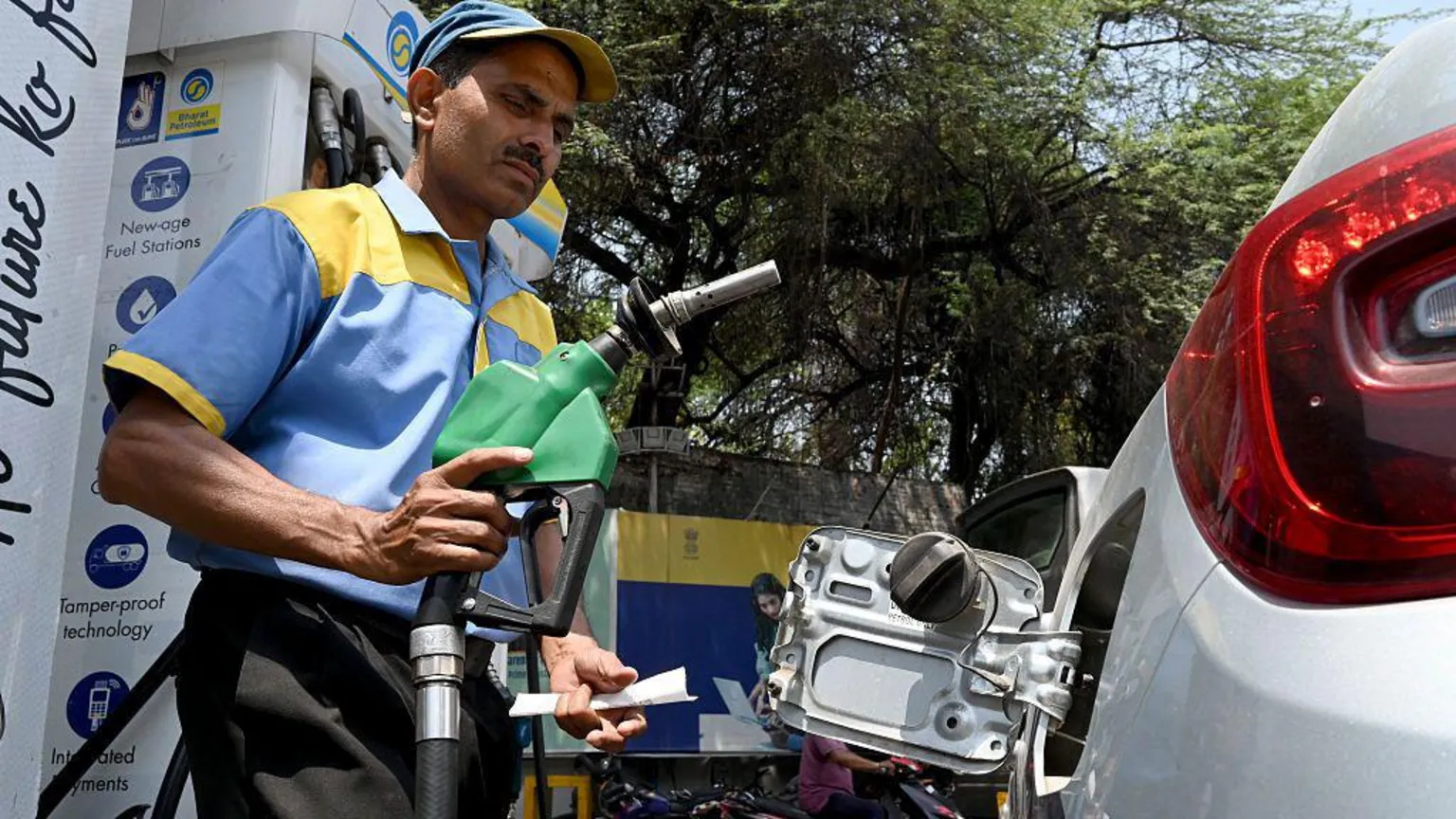
The collapse in supplies has triggered a sharp spike in energy prices worldwide. Initially, the price of Brent crude surged above **$100 per barrel** from a pre-crisis price of $66. This crisis has prompted governments to tap into strategic oil and gas reserves. The United Kingdom, for instance, has initiated talks with a coalition of over 40 countries (excluding the US) to find a way to reopen the strait.
European aviation is particularly vulnerable to this jet fuel shortage, as it relies heavily on imports from the Middle East. Approximately **75 percent of Europe’s jet fuel imports** originate from this region, making any prolonged disruption especially problematic for its aviation industry. The summer season is a peak period for tourism in Europe, with an estimated **747 million international arrivals in 2024**.
Understanding Jet Fuel
Jet fuel is a colorless, refined kerosene-based petroleum product designed to power aircraft with gas-turbine engines. It is most commonly available as Jet A and Jet A-1. Another variant, Jet B, is typically used in colder weather conditions.
This essential fuel is primarily produced in oil refineries located in China, the Middle East, and the US. These specialized refineries are operated by major global oil companies such as Shell, ExxonMobil, and Saudi Aramco. Jet fuel is usually stored in large bulk facilities at or near major airports, as well as in airport fuel farms, before being delivered to aircraft via underground hydrant systems or refueling trucks. According to Energy Intelligence, global jet fuel use reached **7.788 million barrels per day in 2025**, projected to rise by 2.6 percent to 7.988 million in 2026.
Why Europe is Sounding the Alarm
Aviation associations, particularly in Europe, have raised serious concerns over dwindling jet fuel supplies. Last week, the Airports Council International Europe (ACI) warned the European Commission that a fuel crunch would “significantly harm the European economy.”
European fuel storage hubs are already reporting declining stock levels. While alternative supplies from the US and other regions are being sought, they are struggling to fully compensate for the lost volumes from the Middle East. In Europe, benchmark jet fuel prices soared to a record **$1,800 per ton on March 18**, though they slightly receded in April.
Several airports have cautioned that they could face fuel shortfalls within three weeks if the Strait of Hormuz remains closed to fuel deliveries. Furthermore, Birol warned that if traffic in the strait remains blocked, some oil products could potentially dry up altogether.
“I can tell you soon we will hear the news that some of the flights [in Europe] from city A to city B might be cancelled as a result of lack of jet fuel,” he told AP. On Thursday, German carrier Lufthansa announced the closure of its regional unit, CityLine, citing surging jet fuel costs and the impact of strikes as reasons to “reduce further losses of the loss-making airline.” Lufthansa CTO Grazia Vittadini also told Reuters that their jet fuel suppliers are now providing forecasts for only one month ahead, reflecting the uncertainty in the market.
#JetFuelShortage #EuropeanAviation #EnergyCrisis #StraitOfHormuz #FlightCancellations #SummerTravel #IEAWarned #OilPrices #SupplyChain #GeopoliticalImpact






Leave a Reply