

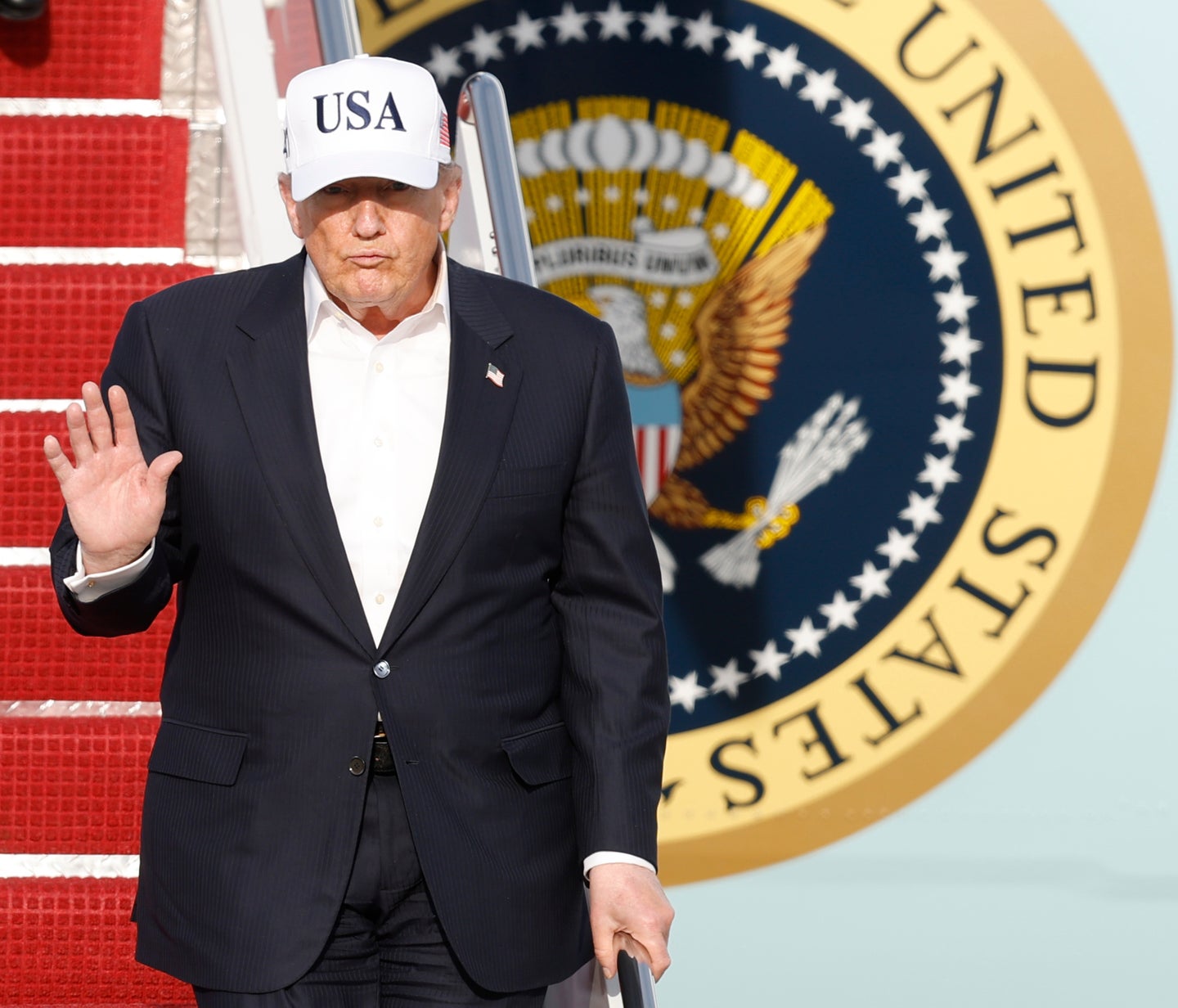
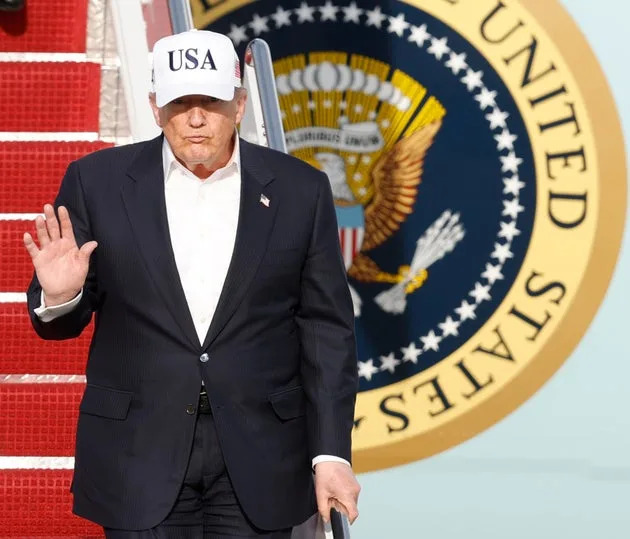
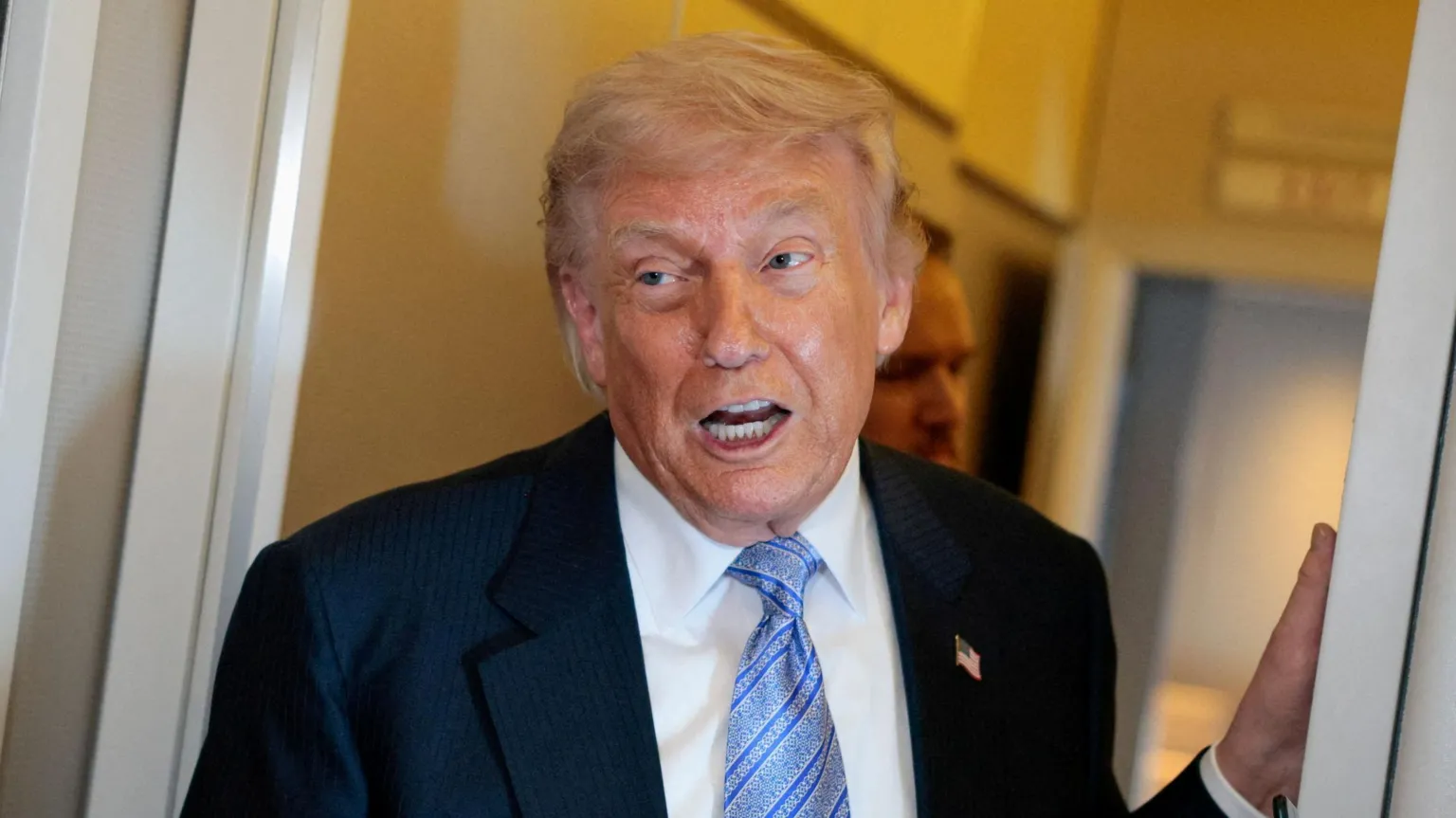
U.S. President Donald Trump announced that the leaders of Israel and Lebanon are set to speak for the first time in 34 years on Thursday, sparking cautious optimism for a diplomatic resolution to the six-week-long conflict.
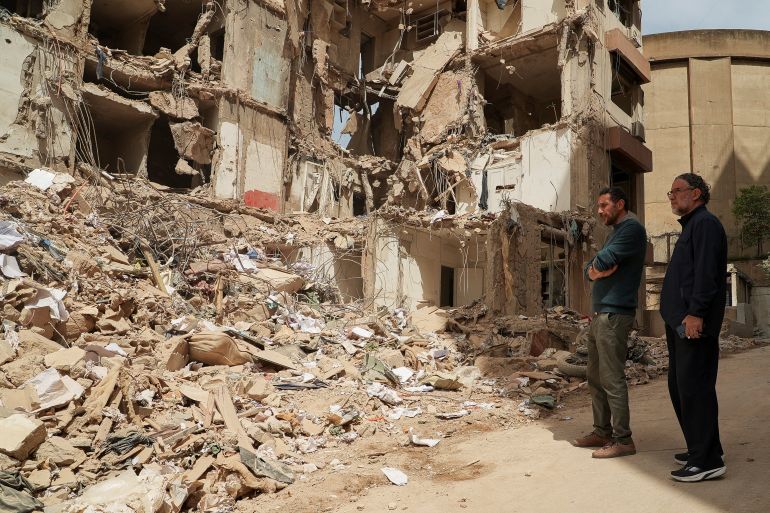
This announcement comes amidst intensifying Israeli military operations in Lebanon and its invasion of the country’s south. The conflict has tragically resulted in over 2,000 deaths and displaced more than one million people across Lebanon.
Israel’s Minister for Innovation, Science, and Technology, Gila Gamliel, confirmed that Prime Minister Benjamin Netanyahu would speak with Lebanese President Joseph Aoun.
Lebanon has not yet commented on the development. However, on Thursday, Iran’s Speaker of Parliament, Mohammad Bagher Ghalibaf, reportedly told his Lebanese counterpart, Nabih Berri, in a phone conversation that a ceasefire in Lebanon is vital, according to a statement on Telegram.
Ghalibaf stated, “For us, a ceasefire in Lebanon is just as important as a ceasefire in Iran.”
Ghalibaf led the Iranian delegation during the first round of US-Iran talks in Pakistan last week, which concluded without a deal.
These prospective talks between Israel and Lebanon follow a rare direct engagement between the two countries’ US ambassadors in Washington on Tuesday, marking their first direct contact in decades.
While that meeting ended without a resolution, Trump’s remarks indicate the White House is advocating for de-escalation in the region. A two-week Pakistan-brokered ceasefire between the US, Israel, and Iran (a Hezbollah ally) is currently in effect, though the two sides disagree on whether it extends to the fighting between Israel and Hezbollah in Lebanon.
Despite this, Chris Doyle, director of the Council for Arab-British Understanding (CAABU), told Al Jazeera that “the Trump administration is keen as mustard to get a deal with Iran.”
He added, “Given the impact on the global economy, and the fact that it has not been able to achieve its war aims in a short time, the Trump administration wants that exit. It’s becoming clearer that they do not want Israel to impede their escape.”
Nevertheless, with both sides maintaining starkly different objectives and the Lebanon front closely tied to broader negotiations involving Iran, it remains uncertain whether the talks Trump announced will yield tangible results.
Here is what we know:
What do we know about the talks?
Trump announced that the leaders of Israel and Lebanon are scheduled to speak for the first time in over three decades on Thursday.
“Trying to get a little breathing room between Israel and Lebanon,” Trump posted on his Truth Social platform. “It has been a long time since the two leaders have spoken, like 34 years. It will happen tomorrow. Nice!” The U.S. president did not specify which leaders would be involved.
Al Jazeera’s Zeina Khodr, reporting from Lebanon, described Trump’s post as “very controversial.”
She reported, “When he talks about giving Lebanon and Israel some ‘breathing space,’ it could be interpreted as a ceasefire.”
“But I just spoke to an official source in Lebanon who told me that there is no information – those were the words used – about a possible phone conversation between Lebanese and Israeli leaders, or a possible second meeting between Israeli and Lebanese ambassadors in Washington.”
Why did the fighting begin?
Israel’s attacks on Lebanon intensified following the outbreak of the US-Israel war on Iran on February 28, which significantly escalated regional tensions.
Hezbollah entered the conflict on March 2, launching rockets, missiles, and drones towards a missile defense site near Haifa in northern Israel. This was in response to the killing of Iran’s Supreme Leader Ayatollah Ali Khamenei during the initial strikes on Tehran. Prior to this, the Iran-backed Lebanese armed group had not attacked Israel since a November 2024 ceasefire, despite nearly daily breaches of that agreement by Israel.
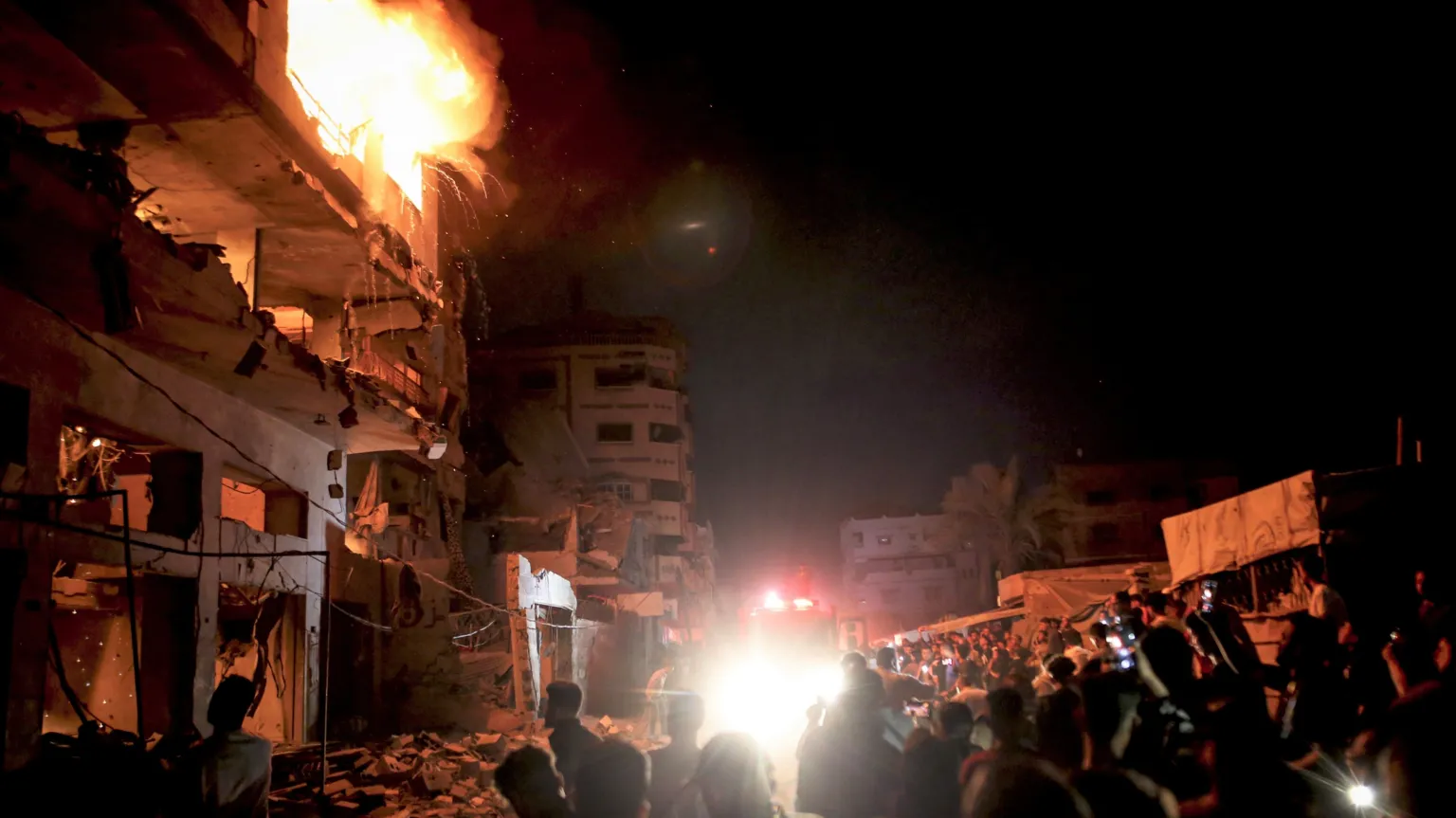
Israel immediately retaliated with air raids on Beirut’s suburbs, claiming they housed Hezbollah strongholds. Since then, Israel has conducted extensive air attacks across Lebanon and launched a ground invasion into the south, pushing further into southern areas to target Hezbollah and establish a buffer zone along the border.
Last month, Israel’s Defense Minister Israel Katz stated that his country would establish a “security zone” in southern Lebanon, extending to the Litani River, approximately 30km (20 miles) north of the Israeli border. To achieve this, Israel has destroyed multiple bridges across the river, a strategy that has drawn widespread condemnation.
Rights groups have warned that Israel appears to be attempting to isolate the region from the rest of the country.
The Israeli offensive has been significant in scale, resulting in over 2,000 deaths across Lebanon, thousands more injured, and approximately 1.2 million displaced. Israeli attacks have struck numerous areas, including densely populated neighborhoods in the capital, Beirut.
What are the prospects for a ceasefire?
As things currently stand, observers suggest the chances of a truce appear slim.
Analyst Nadim Houry commented that even if a phone call were to occur between Israel’s Netanyahu and his Lebanese counterpart, it would be “mostly symbolic rather than substantive.”
Houry, executive director of the Arab Reform Initiative, told Al Jazeera, “Lebanon wants a ceasefire as a priority to enter into negotiations whose aim would be to liberate lands currently occupied by Israel.”
He noted, “Israel is focused on fighting Hezbollah and is seeking to create a buffer zone in Lebanon (a new occupation zone). In particular, Israel seems keen to occupy the town of Bint Jbeil before any ceasefire announcement,” adding that this would be “mostly for symbolic reasons that Netanyahu wants to sell internally in Israel.”
The town of Bint Jbeil in southern Lebanon has been particularly hard hit by the Israeli army, with Netanyahu claiming this week that Israeli forces were on the verge of “overwhelming” the area.
While the meeting between Israeli and Lebanese ambassadors on Tuesday was viewed by some as a breakthrough, it did not produce a tangible plan for achieving a ceasefire.
Yechiel Leiter, Israel’s ambassador to the US and a prominent settlement advocate, described the meeting in highly positive terms, calling it “a wonderful exchange” among parties “united in liberating Lebanon” from Hezbollah. In contrast, Lebanon’s envoy, Nada Hamadeh Moawad, adopted a more restrained tone, characterizing the talks as “constructive” but emphasizing that she used the opportunity to advocate for a ceasefire.
Prior to the meeting, Hezbollah chief Naim Qassem called for the talks to be canceled, labeling them “futile.”
Further dimming prospects for de-escalation, Netanyahu announced on Wednesday that he had instructed the Israeli army to widen its offensive in southern Lebanon, extending operations further east.
Netanyahu stated that Israel was continuing diplomatic contacts with the Lebanese government in parallel with its military campaign against Hezbollah, framing both efforts as part of a broader strategy to disarm the group and secure what he described as “sustainable peace” with Israel’s northern neighbor.
Why is a ceasefire so important?
A key demand from Iran in its dialogue with the US is for Israel to end its offensive against Hezbollah in Lebanon. Tehran asserted that the ceasefire agreed upon last week should encompass the war in Lebanon, but the US and Israel have rejected this. Trump has characterized Israel’s assaults on its neighbor as “a separate skirmish,” despite Hezbollah entering the war in defense of Iran.
An initial social media post by Pakistani PM Sharif announcing the ceasefire included Lebanon. However, following that announcement, Israel launched its most widespread attacks since March – when fighting with Hezbollah began – striking over 100 targets across the country in a single day last Wednesday.
Hezbollah is Tehran’s most powerful regional ally and a central component of the “axis of resistance,” a network of armed groups across the Middle East aligned with Iran against Israel, including Yemen’s Houthis and various armed groups in Iraq.
Political analyst Doyle states that it is “absolutely crucial” for a ceasefire to be achieved in Lebanon, including the fighting between Israeli forces and Hezbollah.
Doyle added, “This would then hopefully free up space for the negotiations between the United States and Iran, given that Iran has made this a condition for moving forward.”
Houry noted that the Lebanon front has become “one of the main transmission belts of the broader regional war… If it stays open, the conflict keeps spreading; if it closes, it creates one of the few real openings for wider de-escalation.”
Nevertheless, Doyle stated that the underlying issue for Israel remains disarming Hezbollah and “finishing it off.”
He continued, “It [Israel] sees this as a great opportunity. Netanyahu has huge domestic support within Israel for doing this, in contrast to the declining support for President Trump for his war against Iran.”
Beyond the diplomatic efforts, the human suffering caused by this conflict is immense.
Taghrid Abdallah, the International Rescue Committee (IRC) protection coordinator in Lebanon, highlighted the “severe and complex” impact of the conflict on children in particular.
She told Al Jazeera, “Many children are not only losing their homes but also their caregivers as a result of the ongoing violence. With the support of our partners, we have been visiting hospitals to identify children who have been separated from or have lost their families, often arriving injured, traumatized, and alone.”
Since the Israeli attack on Beirut last week, which killed over 300 people, the IRC has identified at least 29 unaccompanied children, with eight successfully reunited with their families to date.
More broadly, Abdallah stated that the “psychological impact is evident.”
She noted, “Children are experiencing fear, anxiety, and disrupted sleep. Parents report noticeable behavioral changes, including withdrawal, aggression, and difficulty concentrating.”
#IsraelLebanonTalks #CeasefireNow #MiddleEastPeace #Diplomacy #USDiplomacy #LebanonCrisis #Hezbollah #IranUSRelations #HumanitarianCrisis #RegionalConflict




Leave a Reply