

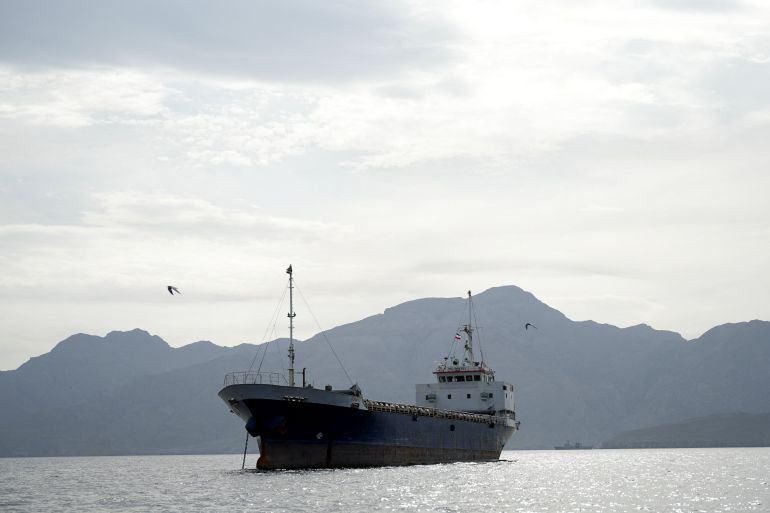
The United States military has announced its intention to commence a blockade of all Iranian ports starting Monday, April 13. This move is the latest in a series of actions aimed at exerting pressure on Tehran, following the conclusion of extensive peace talks in Pakistan without a resolution.
Details of the Blockade
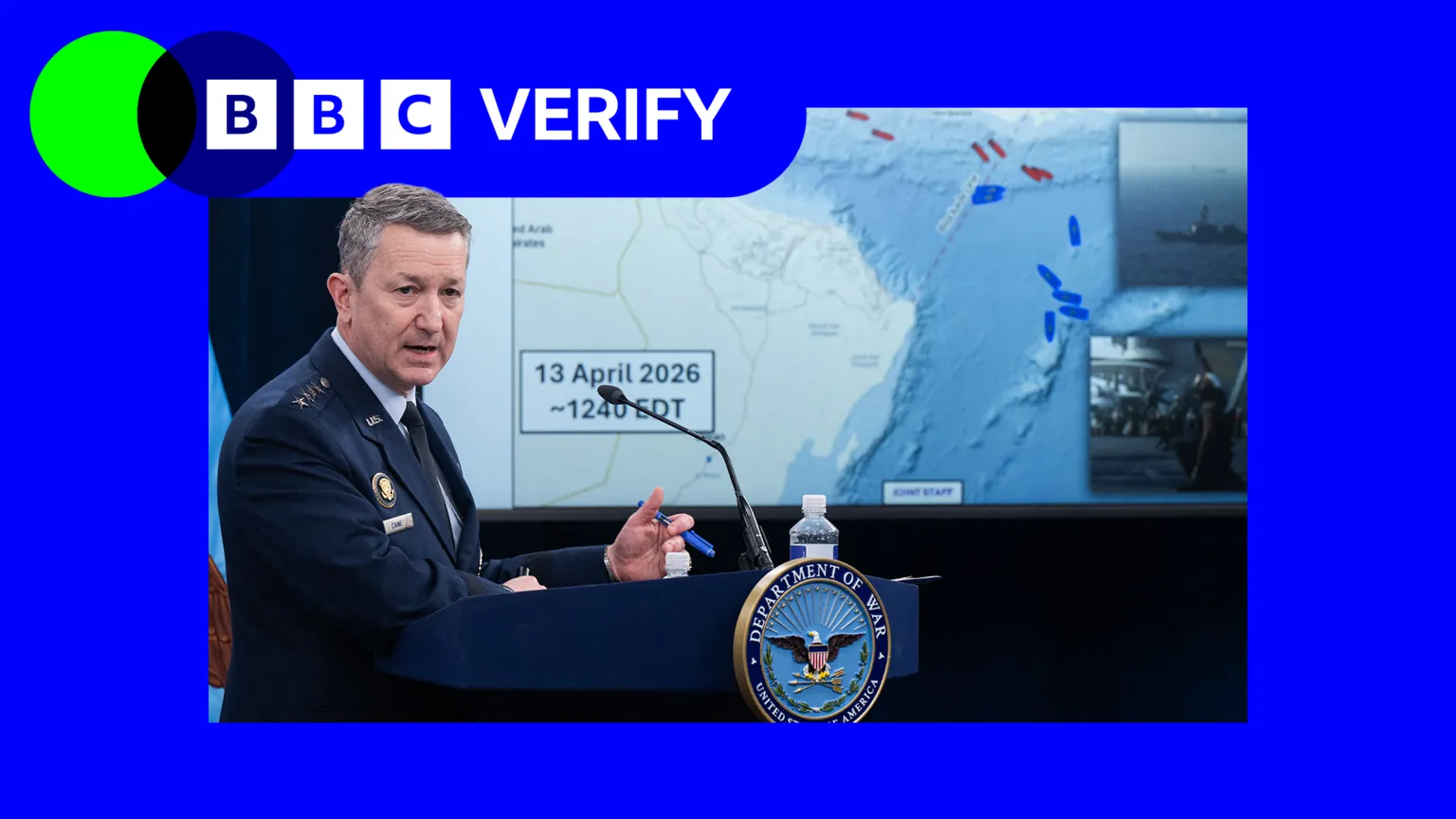
In an official statement released Sunday evening, US Central Command (CENTCOM) specified that the blockade would encompass “all maritime traffic entering and exiting Iranian ports” from 10 am Eastern Time (14:00 GMT) on the designated date. This includes “vessels of all nations entering or departing Iranian ports and coastal areas,” covering those in the Gulf and the Gulf of Oman.
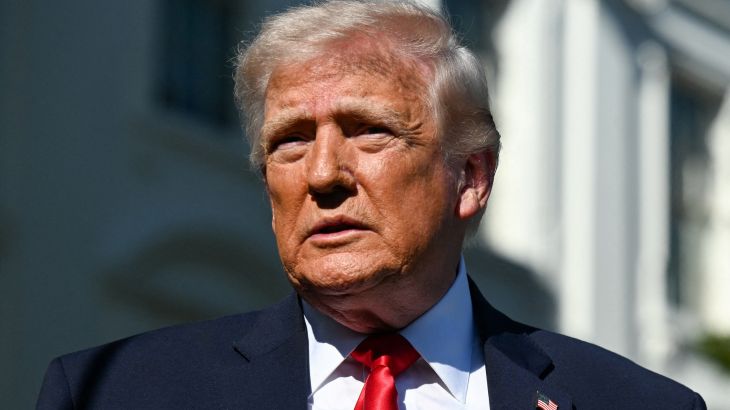
However, CENTCOM clarified that US forces “will not impede freedom of navigation for vessels transiting the Strait of Hormuz to and from non-Iranian ports.” This statement appears to be a modification of President Donald Trump’s earlier, broader threat to blockade the entire strait and target ships paying tolls to Iran.
Conflicting Information and Market Reaction
Concerns have been raised regarding conflicting information from the US side. Al Jazeera’s Heidi Zhou-Castro, reporting from Washington, DC, highlighted the discrepancy between Trump’s initial threat to target any and all ships in the Strait of Hormuz and CENTCOM’s more specific directive focusing solely on ships bound for or departing from Iranian ports.
Economically, the threat of a US blockade led to a significant surge in oil prices. The price of US crude oil jumped 8 percent to $104.24 a barrel, while Brent crude oil, the international benchmark, saw a 7 percent increase to $102.29.
Iran’s Stance and Regional Context
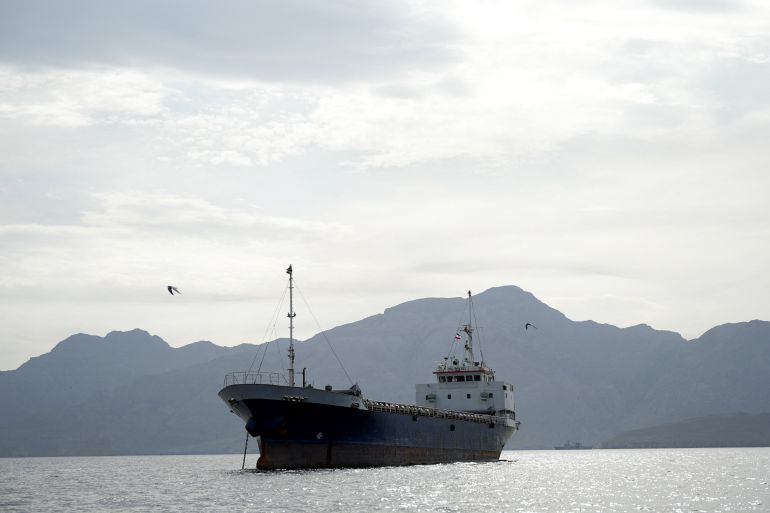
Iran has effectively maintained control over the Strait of Hormuz, a critical chokepoint for the global energy market, since the US and Israel initiated a conflict against the country on February 28. Since then, traffic through the vital waterway has significantly slowed, nearly paralyzing approximately one-fifth of the world’s oil and liquefied natural gas shipments.
Iran has continued to facilitate the movement of its own vessels through the strait, while permitting limited passage for ships from other nations. Iranian officials have also reportedly discussed implementing a toll system once the hostilities conclude.
In response to President Trump’s blockade threat, Iran’s Islamic Revolutionary Guard Corps issued a statement asserting that any approaching military vessels would be considered a breach of the US-Iran ceasefire – which is intended to remain in effect until April 22 – and “will be dealt with severely.”
Failed Talks and Expert Analysis
The US-declared blockade appears to stem from the breakdown of peace talks held in Islamabad, Pakistan, fueling concerns of renewed conflict. Iranian officials attributed the failure to reach a deal to the US side, with Minister of Foreign Affairs Abbas Araghchi stating that US negotiators shifted the “goalposts” and obstructed progress when a memorandum of understanding was reportedly “just inches away.”
Zohreh Kharazmi, an associate professor at the University of Tehran, commented on the situation, stating that the US “is not in a position to dictate” to Iranians how to act, or “to choose which vessels may pass.” She added, “If this blockade becomes a contest between the resilience of the Islamic Republic and the resilience of global markets, it will not take long to see who is losing,” emphasizing that Iran “is ready for a prolonged war.” Kharazmi concluded, “Technically, they [the US] cannot control the situation. With Hollywood-style strategies, they cannot prevail in this battleground.”
#USIranTensions #IranBlockade #StraitOfHormuz #OilPrices #Geopolitics #MiddleEastConflict #CENTCOM #IranPorts #InternationalRelations #EnergySecurity





Leave a Reply