


UK Fuel Prices: Understanding Recent Fluctuations
Motorists across the UK have recently experienced significant volatility in petrol and diesel prices. Initially, fuel costs saw a sharp increase, largely attributed to geopolitical tensions stemming from the US-Israel conflict with Iran. However, these elevated prices are now beginning to show signs of easing.
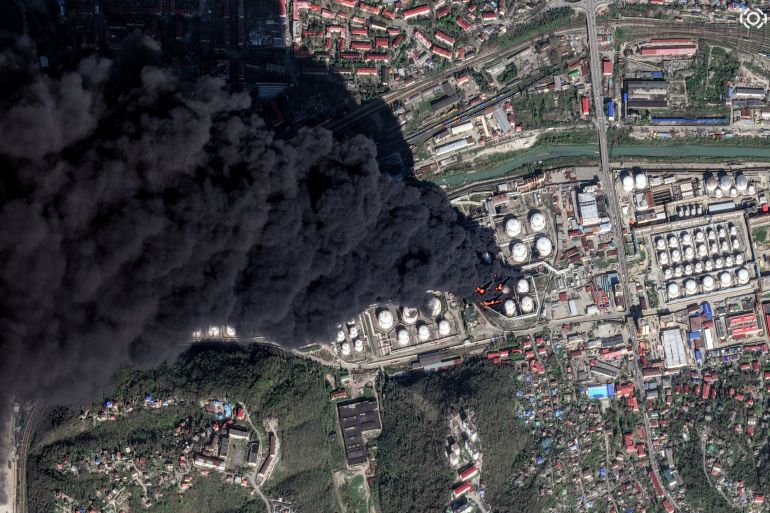
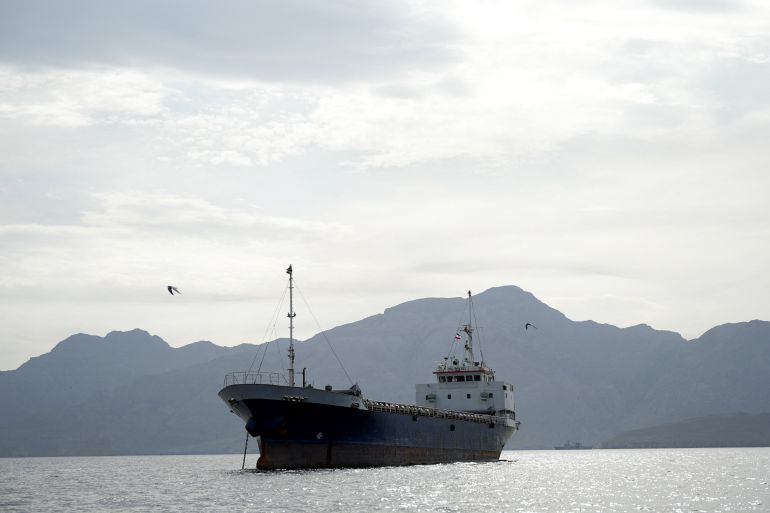
The surge in wholesale oil and gas prices commenced around February 28, coinciding with the onset of the conflict. This period saw a notable disruption in energy production and transportation across the Middle East, with operations slowing or halting entirely due to missile strikes and drone attacks in the region.
A turning point occurred on April 7, when US President Donald Trump announced a temporary ceasefire. Following this announcement, wholesale costs for oil and gas experienced a noticeable decline. Despite this, pump prices for petrol and diesel continued their upward trajectory for several days. This continued rise was primarily due to market uncertainty regarding the durability of the ceasefire, especially after subsequent peace talks between the US and Iran reportedly failed to yield a lasting resolution.
According to the RAC, after a prolonged period of 46 consecutive days of increases, pump prices have finally begun to fall slightly, offering some relief to consumers.
How Wholesale Oil Prices Impact Fuel at the Pump
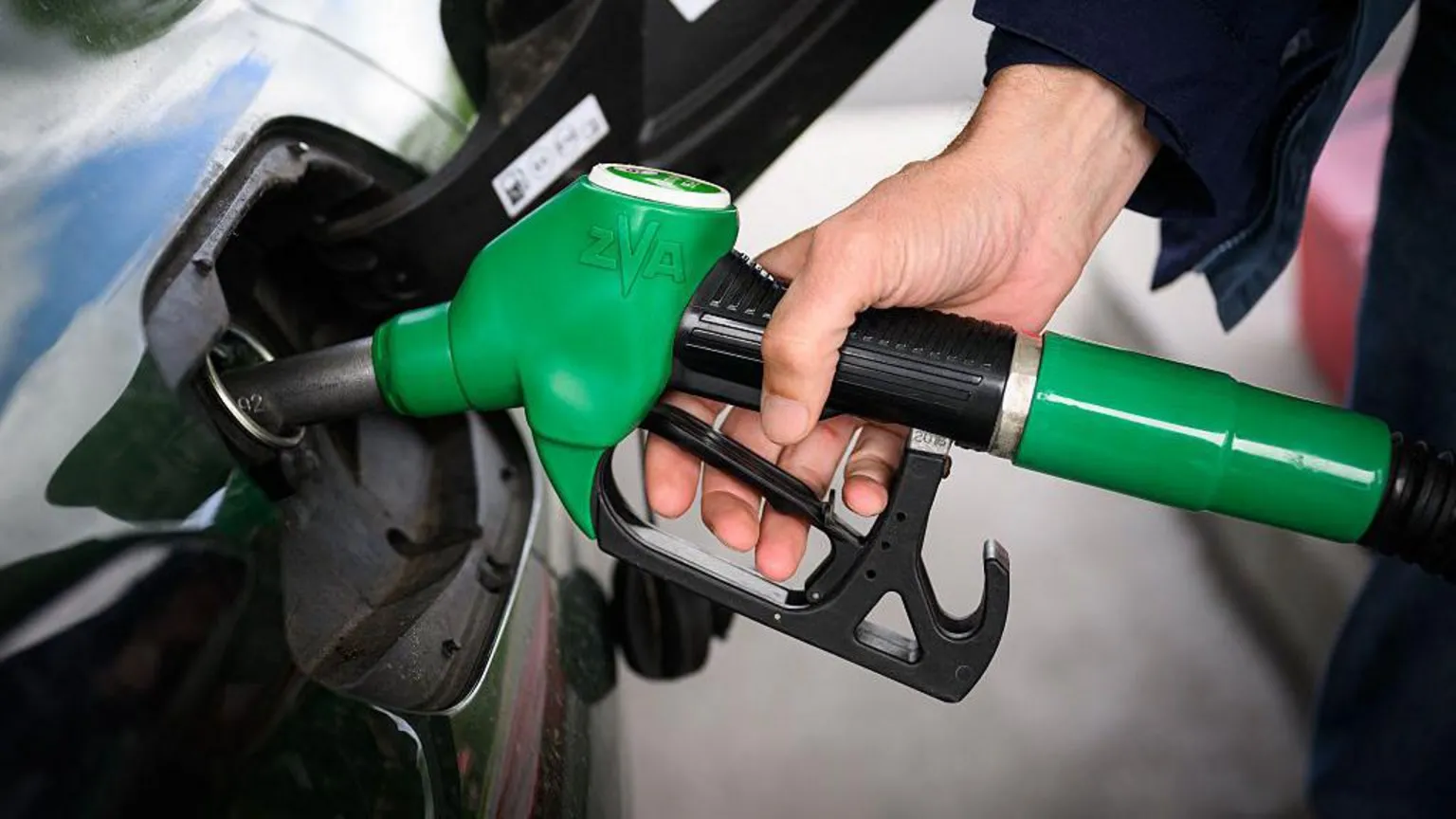
The direct link between wholesale oil prices and the cost consumers pay at the pump is crucial. Crude oil is a fundamental component in the production of both petrol and diesel. Consequently, any increase in wholesale crude oil costs directly translates to higher expenses for motorists when filling up their vehicles.
#UKFuelPrices #PetrolPrices #DieselPrices #FuelCosts #EnergyMarket #OilPrices #Geopolitics #MiddleEastConflict #RAC #Motorists





Leave a Reply