

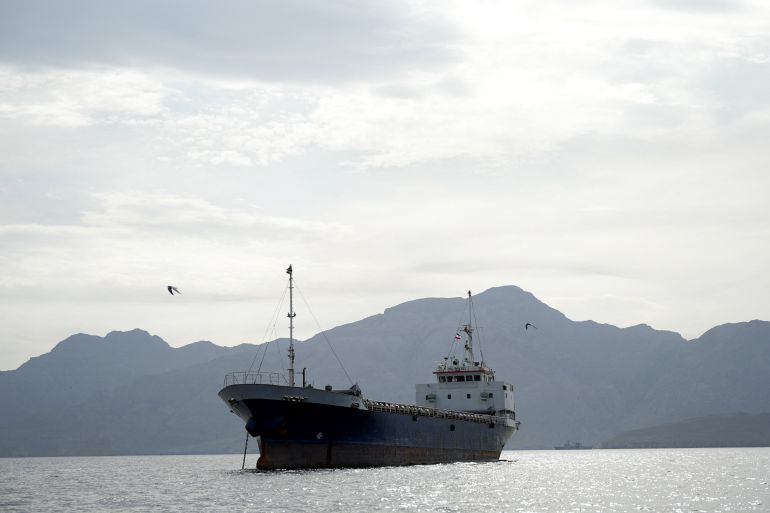
Iran Labels US Blockade of Hormuz as ‘Piracy’ Amid Escalating Tensions
The Iranian military has vehemently condemned a proposed naval blockade by the United States in international waters, describing it as illegal and an act of piracy. Tehran issued a stern warning, stating that if its own Gulf ports were threatened, no other port in the region would remain safe.
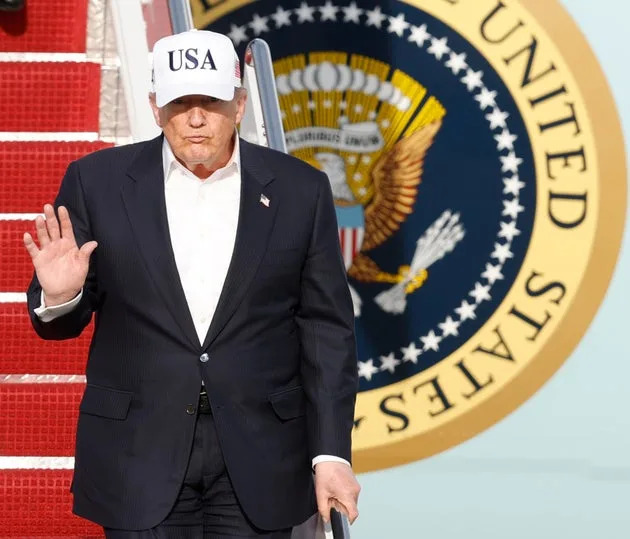
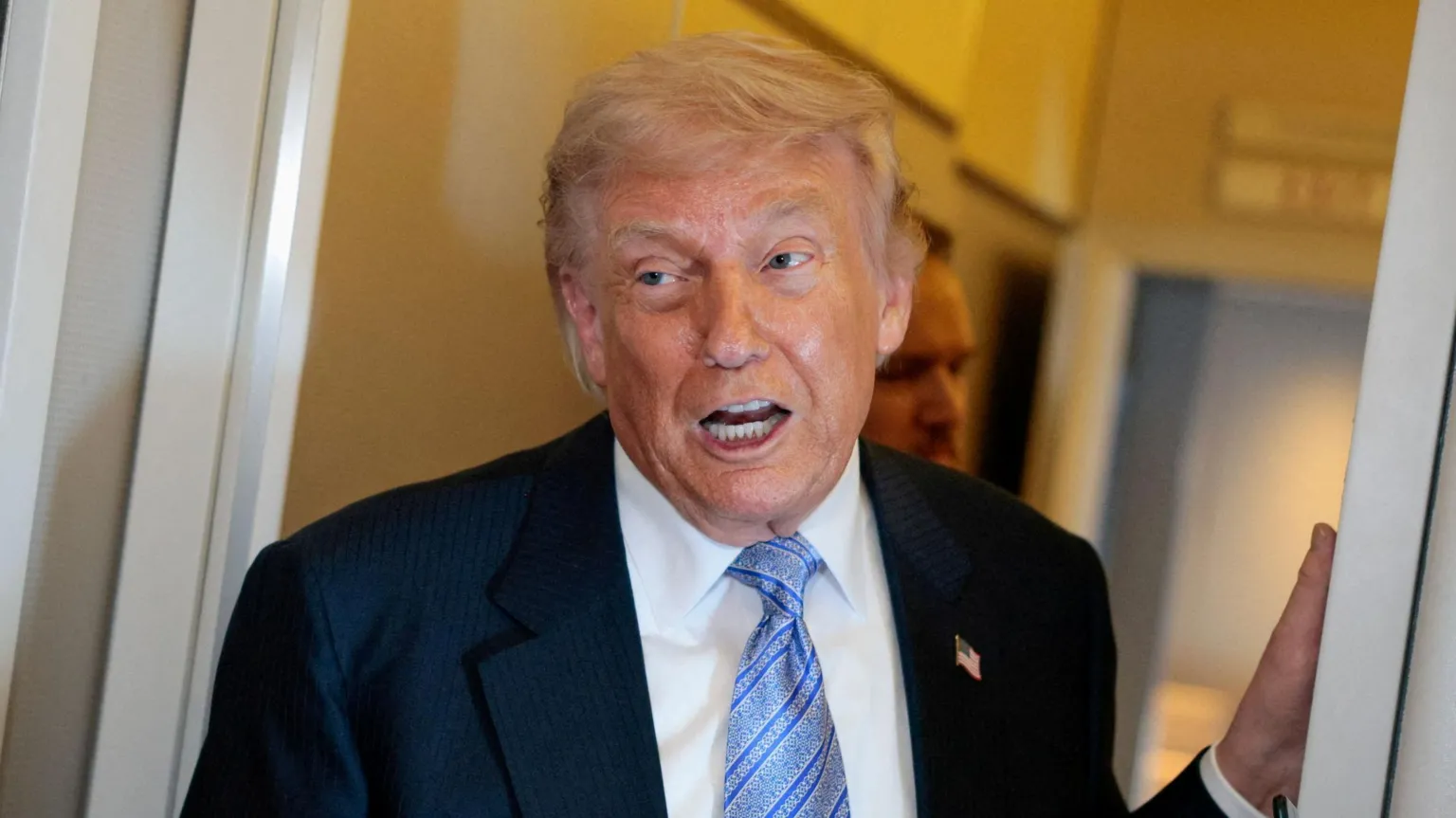
The US military had previously announced its intention to initiate a blockade of all Iranian ports on Monday at 14:00 GMT, following the collapse of peace talks between the two sides in Pakistan. Adding to the tension, President Donald Trump declared on social media that the US would blockade the strategic Strait of Hormuz trade route, demanding its full reopening by Tehran.
Iran’s Strong Warning and Accusations
In response, an Iranian army statement on Monday asserted, “If the security of Iran’s ports in the waters of the Persian Gulf and the Arabian Sea is threatened, no port in the Persian Gulf and the Arabian Sea will be safe.” The statement, read on state television by the Iranian military’s central command centre, Khatam al-Anbiya, further declared, “The restrictions imposed by criminal America on maritime navigation and transit in international waters are illegal and constitute an example of piracy.”
Geopolitical Context and Market Impact
The failed weekend talks have dashed hopes for a swift resolution to the conflict, which has claimed thousands of lives and destabilized the global economy since late February. Despite the heightened rhetoric, a ceasefire between the US, Israel, and Iran, implemented last week, has largely held, with no immediate signs of a full-scale resumption of hostilities.
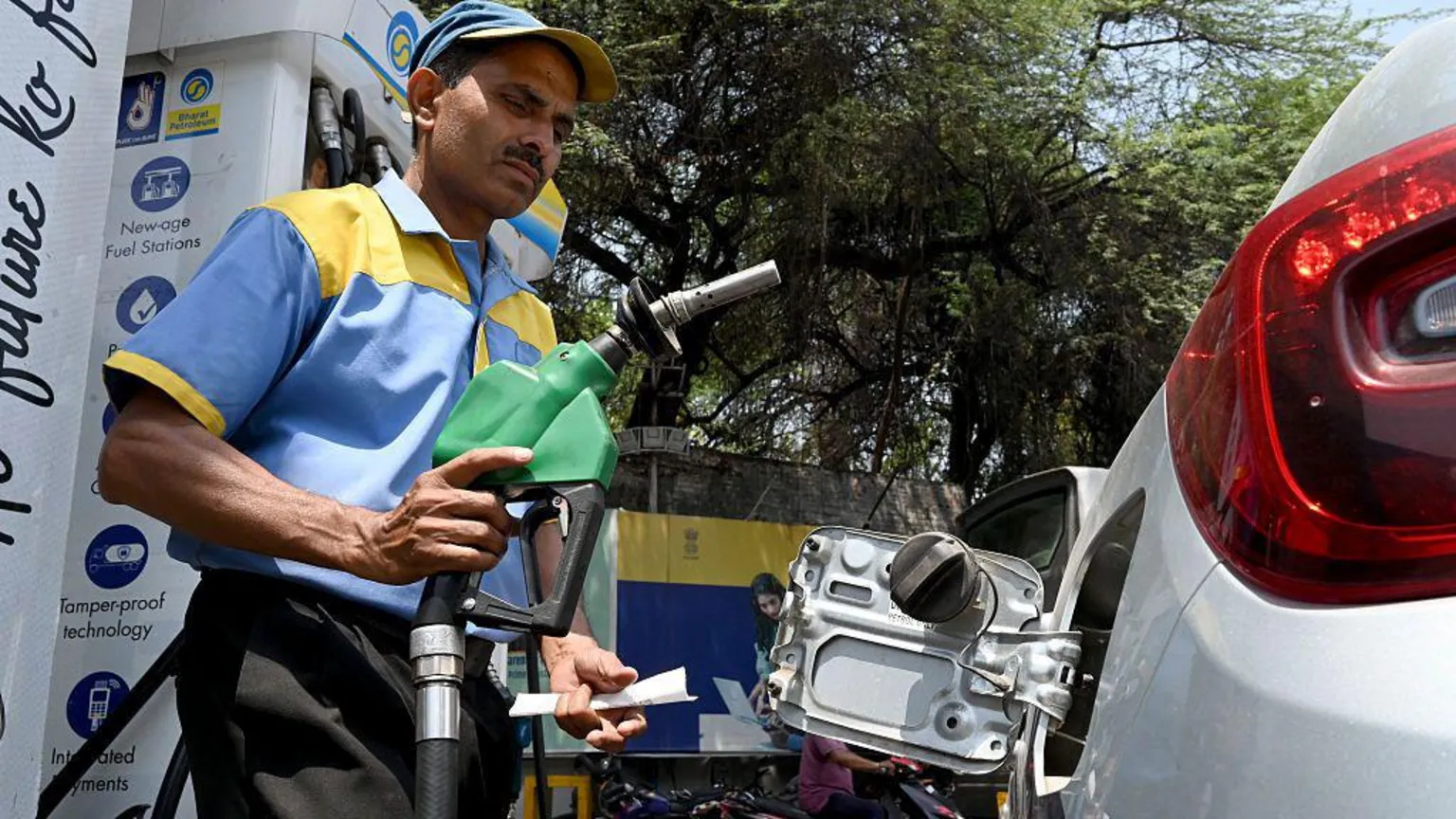
Traffic through the Strait of Hormuz, a critical conduit for global oil and gas shipments, has been significantly restricted since the war’s onset, with Iran reportedly allowing passage only for vessels serving allied nations like China. In response to the blockade announcement, oil prices, which had seen a dip with the truce, surged by almost 8 percent on Monday, pushing key WTI and Brent contracts above $100 a barrel.
The US Central Command clarified that the planned blockade would be enforced “impartially against vessels of all nations entering or departing Iranian ports and coastal areas, including all Iranian ports on the Arabian Gulf and Gulf of Oman,” but would not impede vessels transiting the Strait of Hormuz to and from non-Iranian ports. President Trump, in a social media post, stated his objective was to clear the strait of mines and reopen it to all shipping, while preventing Iran from profiting from its control.
International Reactions
The US plan has drawn international criticism. China, a major importer of Iranian oil and a rival to Washington, voiced its disapproval. Ministry of Foreign Affairs spokesman Guo Jiakun emphasized, “The Strait of Hormuz is an important international trade route for goods and energy, and maintaining its security, stability, and unimpeded flow is in the common interest of the international community,” urging both Iran and the US to avoid reigniting the conflict.
Among Washington’s NATO allies, Spain’s Defence Minister Margarita Robles dismissed the planned naval blockade as “senseless,” calling it “one more episode in this whole downward spiral into which we’ve been dragged.” Furthermore, UK Prime Minister Keir Starmer confirmed in a BBC radio interview that Britain would not join the US blockade, asserting that the UK “is not getting dragged” into the US-Israel conflict with Iran.
#Iran #US #StraitOfHormuz #Blockade #Piracy #Geopolitics #OilPrices #InternationalRelations #MiddleEast #NavalConflict



Leave a Reply