

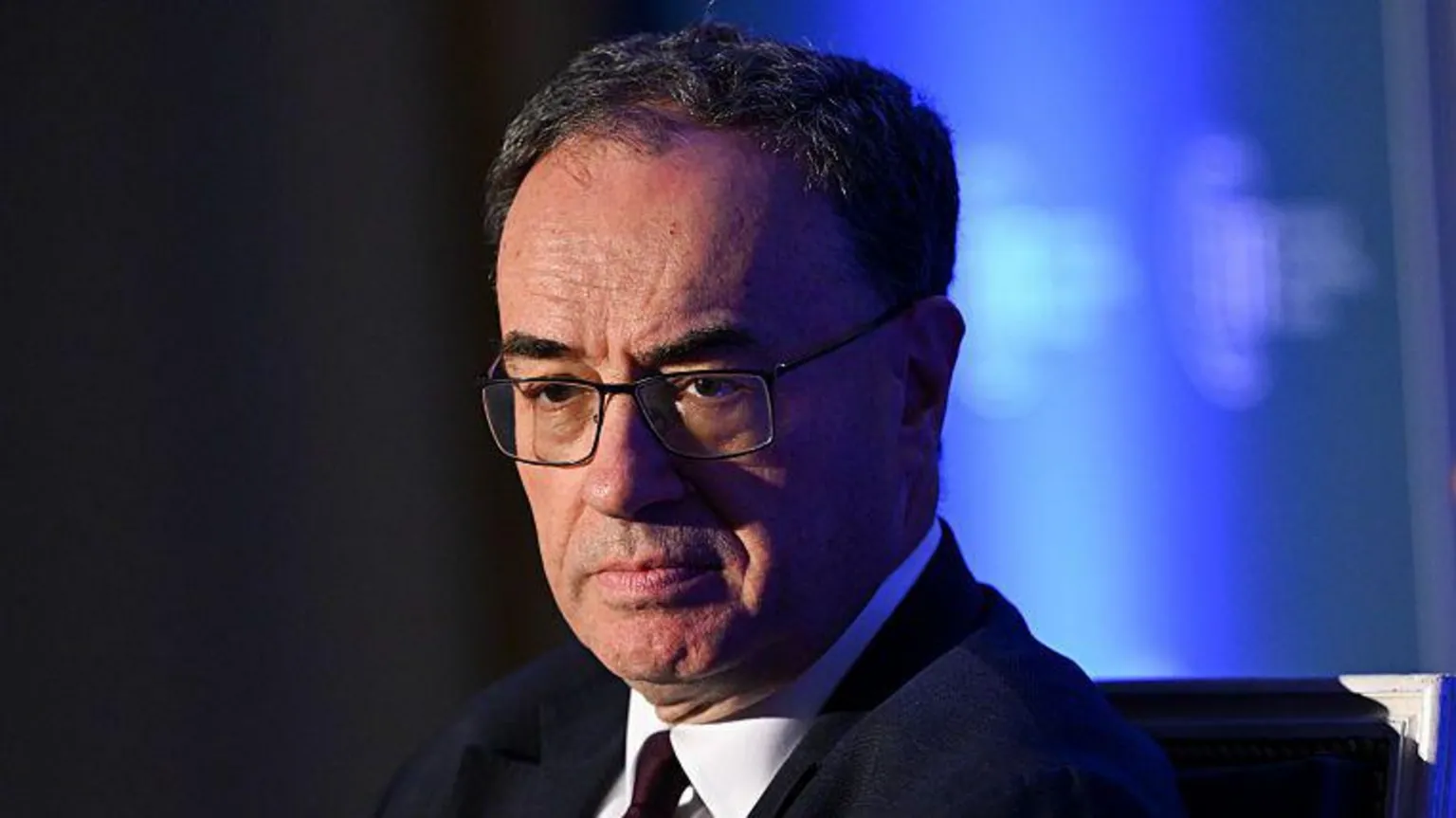
The world is facing a “very big energy shock” that will push up prices, according to Andrew Bailey, the Governor of the Bank of England. Speaking at the International Monetary Fund (IMF) meeting in Washington, Bailey stated that despite this looming shock, the UK’s central bank would not rush to make a decision on interest rate rises.
The increased cost of oil and gas is expected to feed through to consumer prices. However, Bailey noted that other factors make a decision on interest rates “very, very difficult” ahead of the Bank’s next meeting on April 30. The IMF had previously warned central banks against rushing to hike borrowing costs in the wake of the Middle East conflict, advice which Bailey confirmed the Bank of England was taking into account.
Prior to the recent intensification of the Middle East conflict six weeks ago, the Bank of England was widely expected to lower rates this year. However, the threat of higher prices due to rising energy costs has led to speculation that rates will be held steady or even increase. While central banks typically raise interest rates to curb demand when inflation is high, they lower them to encourage borrowing and spending when economic activity slows. The unique challenge posed by higher energy prices is their potential to both boost prices and hinder economic growth, complicating the Bank’s policy decisions.
Bailey emphasized the complexity of the situation, stating, “There’s really difficult judgments to be made.” He added that the Bank would not rush to conclusions due to significant uncertainties, including how the situation will unfold and its impact on the UK economy. Before the conflict, there were signs of a softening labor market and businesses finding it harder to pass on price rises, suggesting inflation might not become a persistent problem. However, the Bank is still awaiting “meaningful data” on how the conflict is affecting the UK economy, prices, and activity.
“It’s really too early to form strong judgments on that,” Bailey said, highlighting the UK’s “strong dependency on gas” and the critical role of the conflict’s duration in determining the ultimate impact. On Tuesday, IMF Managing Director Kristalina Georgieva also raised concerns about the supply of other crucial global commodities, including sulphur, urea, helium, and naphtha, in addition to oil, gas, and fuels.
Bailey acknowledged a “certain amount of resilience in the system” but warned it could deplete if the conflict persists. He stressed, “The faster there is a resolution to this situation – I particularly mean in terms of the supply of energy coming out of the Gulf – the easier and better the outcome will be. And that’s really critical at this moment.”
On a positive note, Bailey expressed confidence in the banking system, stating, “I do not have concerns about the banking system.” He suggested that providing stability through “credible policies that deliver sensibly… over time” is the best approach for homebuyers and owners concerned about higher borrowing costs, encompassing both central bank and government fiscal policies.
UK Chancellor Rachel Reeves criticized the economic impact of the regional conflict during an interview at the IMF meeting, pointing to rising prices and effects on growth. In contrast, US Treasury Secretary Scott Bessent stated on Tuesday that a “small bit of economic pain” was worthwhile for long-term international security. He raised the hypothetical idea of Iran threatening the UK with nuclear missiles, prioritizing security. A UK government spokesperson refuted this, stating, “There is no assessment Iran is trying to target Europe with missiles.”
Bessent’s comment came as the IMF warned that the regional conflict involving Iran could plunge the global economy into recession, with the UK expected to be among the hardest hit advanced economies.
#EnergyShock #Inflation #BankOfEngland #InterestRates #GlobalEconomy #MiddleEastConflict #EconomicOutlook #AndrewBailey #IMF #UKEconomy



Leave a Reply