

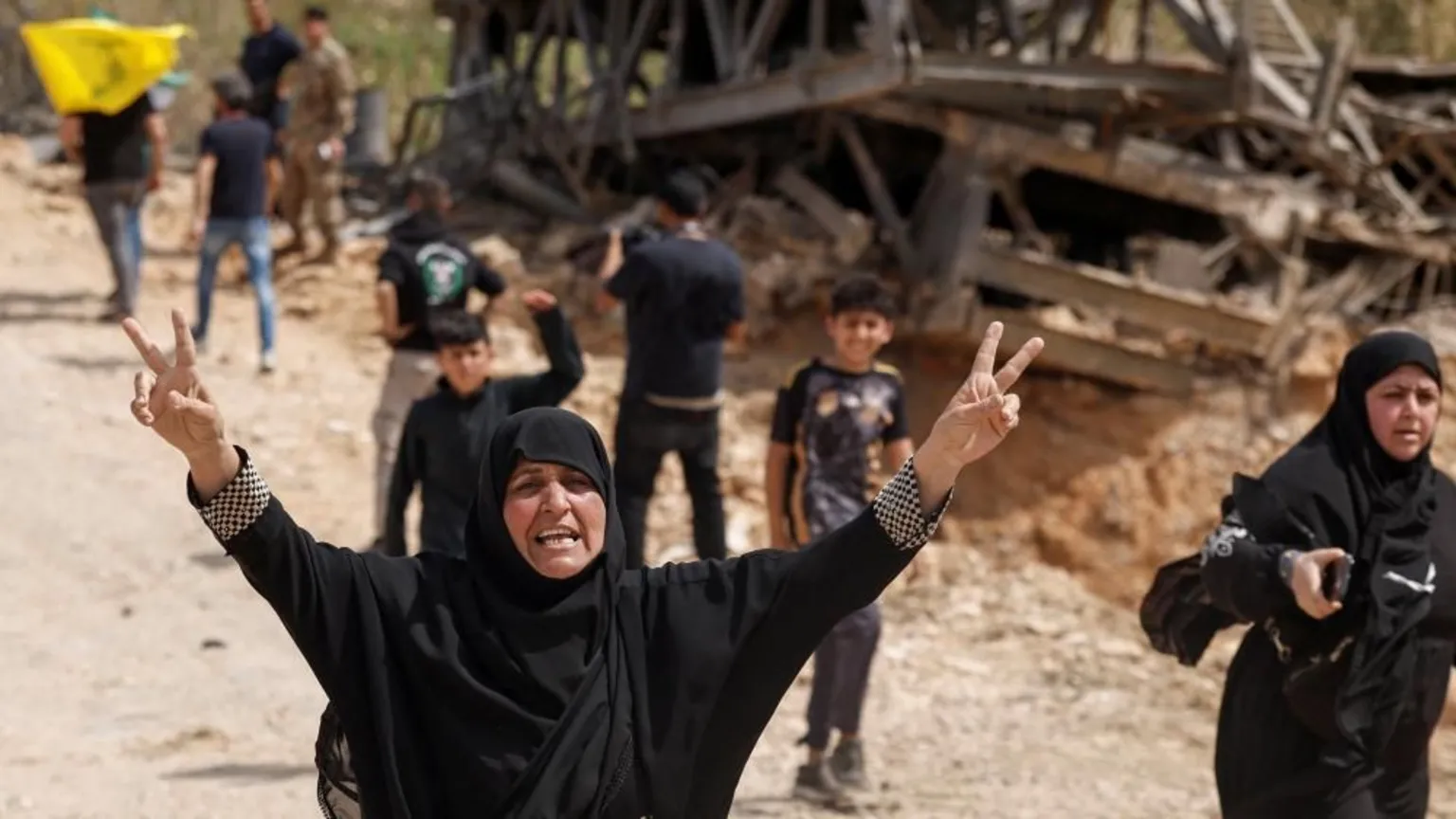
With not one, but two ceasefires now in place across the Middle East, the stage appears set for potential historic breakthroughs. The ceasefires – one involving Iran and the other in Lebanon – are both described as “shaky” (as ceasefires often are), but as the sounds of conflict once again recede, this moment is rich with both opportunity and risk.
The Lebanon Ceasefire and its Implications
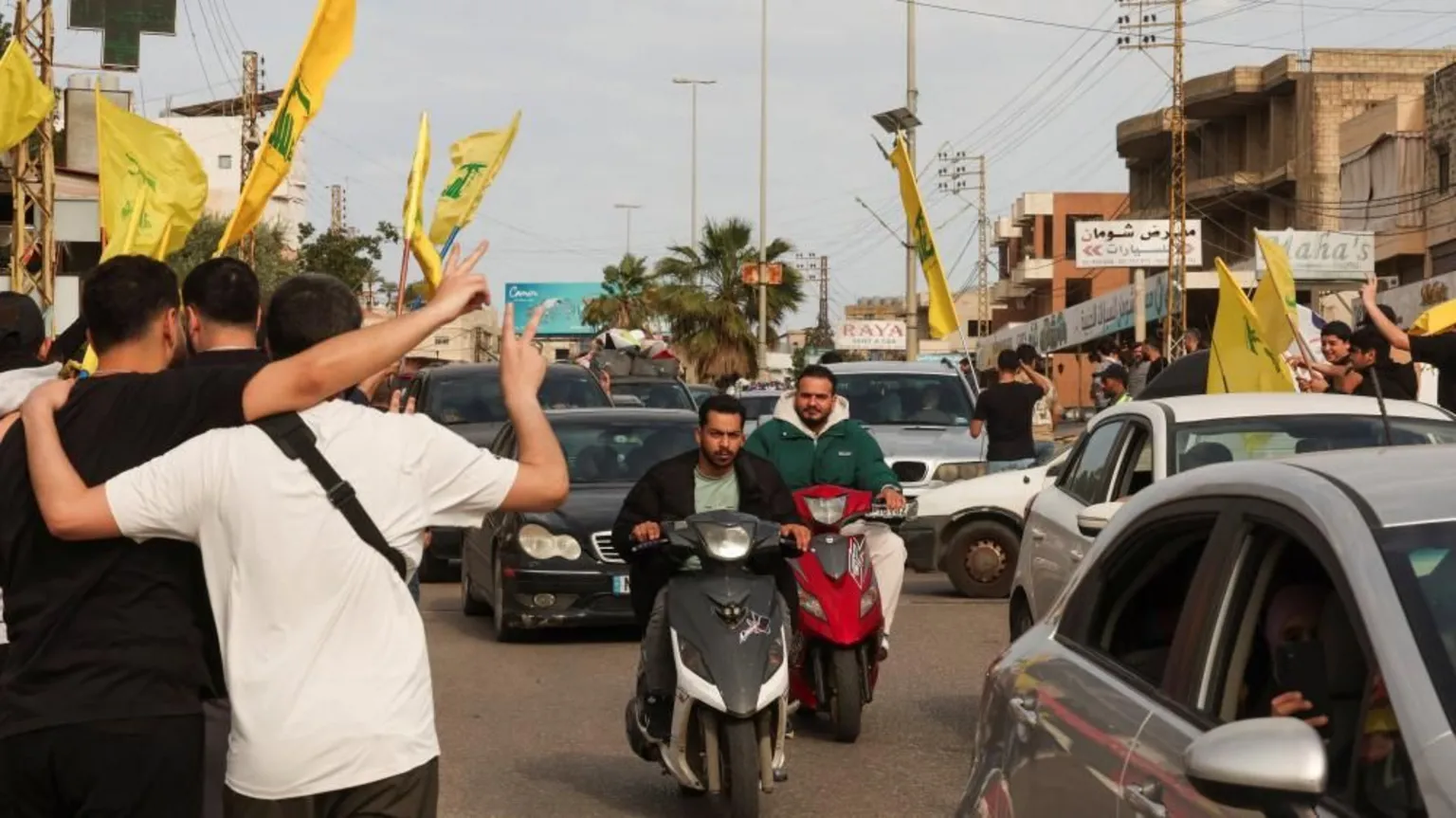
On the surface, Thursday night’s announcement of a 10-day pause in fighting between Israel and the Iranian-backed militia Hezbollah appears to be a win for Iran. The government in Tehran had demanded a ceasefire in Lebanon, stating that talks with the US could not be expected to progress without it. With the pause now active, Iran has responded by declaring the Strait of Hormuz “completely open”.
Last weekend’s marathon negotiating session in Islamabad demonstrated that progress was indeed possible, even as fighting continued in Lebanon (with Israel merely avoiding further attacks on Beirut). However, both Iran and Pakistan insisted that Lebanon must be included in any agreement. This has now occurred, much to the dismay of Israelis living near the northern border, who believe their Prime Minister Benjamin Netanyahu has yielded to American pressure rather than ensuring Hezbollah never fires another rocket at their country.
For some in Israel, the ceasefire plays directly into Iran’s hands, allowing what they perceive as Israel’s adversary to influence events. Shirit Avitan Cohen of the popular right-wing daily Israel Hayom wrote this morning: “The ceasefire effectively puts Israel’s stamp of approval on the very situation the country had been trying to avoid: legitimising the link between Iran and the Lebanese theatre of operations.” She added: “Yesterday, Hezbollah also received final confirmation that its master, and Lebanon’s, still has its hands on the wheel and continues to dictate what happens in the region.”
Benefits for All Parties
In fact, all players involved in these interconnected conflicts gain something from the latest deal. For US President Donald Trump and the leadership in Iran, it’s an opportunity to claim credit for achieving a ceasefire. Netanyahu can highlight the fact that Israeli troops remain on the ground in southern Lebanon, while the Lebanese government, after months of effort, now has direct negotiations with Israel.
Hezbollah, which states it will abide by the ceasefire (while insisting it still has its “finger on the trigger”), has not been defeated and maintains it will not be disarmed. Senior Hezbollah leader Wafiq Safa told the BBC on Thursday: “Not until a proper ceasefire, a real one. Not until Israeli withdrawal. Before the return of prisoners, before the return of displaced people and before the reconstruction. Until then, it is not possible to talk about Hezbollah’s weapons.”
Lina Khatib, from the London-based think tank Chatham House, suggests the ceasefire paves the way for Israel and Lebanon to continue their face-to-face talks, but cautions that the obstacles to a peace agreement between the two are enormous. “The issue is very complicated,” she says. “It has to do with border demarcation, the disarmament of Hezbollah and the withdrawal of Israel from Lebanese territory.” Israel and Lebanon have technically been in a state of war since 1948 and lack diplomatic relations.
However, Khatib argues that far from strengthening Iran’s regional position, this week’s direct talks in Washington between the Israeli and Lebanese ambassadors have initiated the process of reducing Lebanon’s dependence on Iran. “The regional balance of power is shifting away from Iran,” she states. “Now it’s no longer going to be able to use Lebanon as a bargaining chip.”
The Broader US-Iran Diplomatic Process
Much still hinges on the other diplomatic process: the talks between the US and Iran. Addressing what America and Israel perceive as Iran’s regional activities will be on Washington’s agenda, should a second anticipated round of talks in Islamabad proceed. For Israel in particular, it is crucial that Iran’s support for Hezbollah, Hamas, and the Houthis in Yemen is curtailed, aiming to end decades during which Iran’s “Axis of Resistance” has been able to pose a threat to the Jewish state. Iran is unlikely to easily relinquish what it views as a vital instrument of regional influence.
This, however, is just one of the formidable challenges ahead. The others – the fate of Iran’s nuclear programme and the future of the Strait of Hormuz – will require significant negotiation.
Trump, as is his custom, strives to project an image of control, asserting that a deal with Iran is “very close” and that the situation is progressing “swimmingly.” He informed reporters that Iran has already agreed to hand over approximately 440kg (970lb) of highly enriched uranium (which the president often refers to as “nuclear dust”), believed to be buried under the rubble of a facility in Isfahan bombed last year. Iran’s foreign ministry spokesman Esmail Baghaei denied this claim, telling state TV: “The transfer of uranium to the US has not been presented as an option. Iran’s enriched uranium is as sacred to us as the soil of Iran and will under no circumstances be transferred anywhere.” Any deal on the nuclear file would also necessitate a pledge from Iran never to build a nuclear weapon, along with an agreement on the duration of its enrichment suspension.
The Strait of Hormuz: A Key Issue
Then there is Iran’s other significant leverage, always available but only recently utilized: its control over the Strait of Hormuz. Iran states its desire for new protocols to govern maritime traffic through the narrow waterway, aiming to replace its current control with a legal framework that would recognize what it considers its sovereign right, alongside Oman, to regulate passage in and out of the Gulf.
In the interim, Iranian Foreign Minister Abbas Aragchi, while welcoming the ceasefire in Lebanon, announced that the Strait is “completely open for the remaining period of the ceasefire” – effectively, for the next week. A caveat exists: vessels are expected to use what Aragchi termed “the co-ordinated route as already announced by the Ports and Maritime Organisation of the Islamic Republic of Iran.” This seemingly refers to new routes running much closer to the Iranian mainland, north of the two traffic separation lanes used before the conflict. The speed with which this eases the bottleneck of vessels trapped inside the Gulf remains to be seen.
Trump, in his characteristic emphatic style, declared that the strait is “FULLY OPEN AND READY FOR FULL PASSAGE,” and markets appear to have reacted positively. However, ship captains may remain cautious, and Trump confirmed that the US blockade of Iranian ports remains in place for now.
Challenges Ahead
Despite these positive developments, it is clear that negotiators have substantial ground to cover. The last major agreement with Iran, the 2015 Joint Comprehensive Plan of Action (JCPOA), took approximately 20 months to negotiate and focused solely on the nuclear issue. Trump withdrew America from the deal in 2018, leading to its collapse. Trump often projects an image of a swift deal-maker, rarely reflecting on the actual achievements of his agreements. For instance, despite the fanfare surrounding his two summits with North Korea’s leader Kim Jong Un in 2018-19, those meetings achieved very little, with Pyongyang continuing its nuclear programme.
Nevertheless, following the tumultuous events of the past six weeks, a diplomatic process is now firmly underway and has received a boost from the ceasefire in Lebanon. Is this sufficient to prevent an eventual return to war? Even Trump does not have that answer.
#USIranTalks #MiddleEastPeace #Ceasefire #StraitOfHormuz #LebanonIsrael #Diplomacy #IranNuclearDeal #Hezbollah #RegionalSecurity #Geopolitics







Leave a Reply