

Economic Strain Hits Chinese Manufacturing Hubs
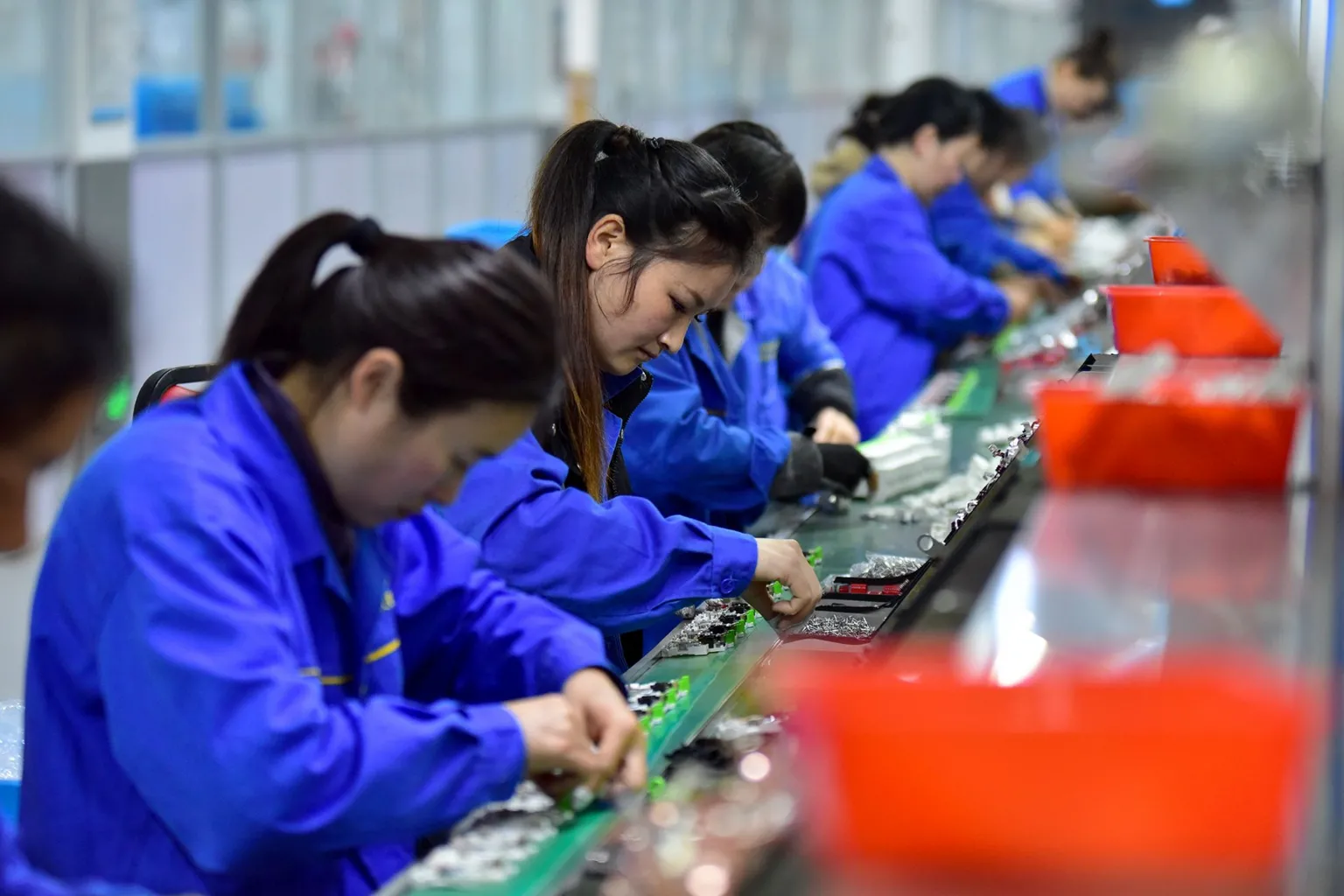
It’s a sombre scene in the bustling backstreets of one of China’s largest manufacturing hubs. Workers, seeking temporary factory jobs, gather under a tree, smoking and discussing their plight.
“No-one understands what our life is like,” one man laments, unwilling to be named. Another adds a rare and risky plea to a foreign journalist: “We work and work and have no life. Please help us.” Their desperation is palpable as they struggle to earn enough to send money home, navigating the massive shifts in Chinese manufacturing from cheap, mass-produced goods to automated advanced technology.
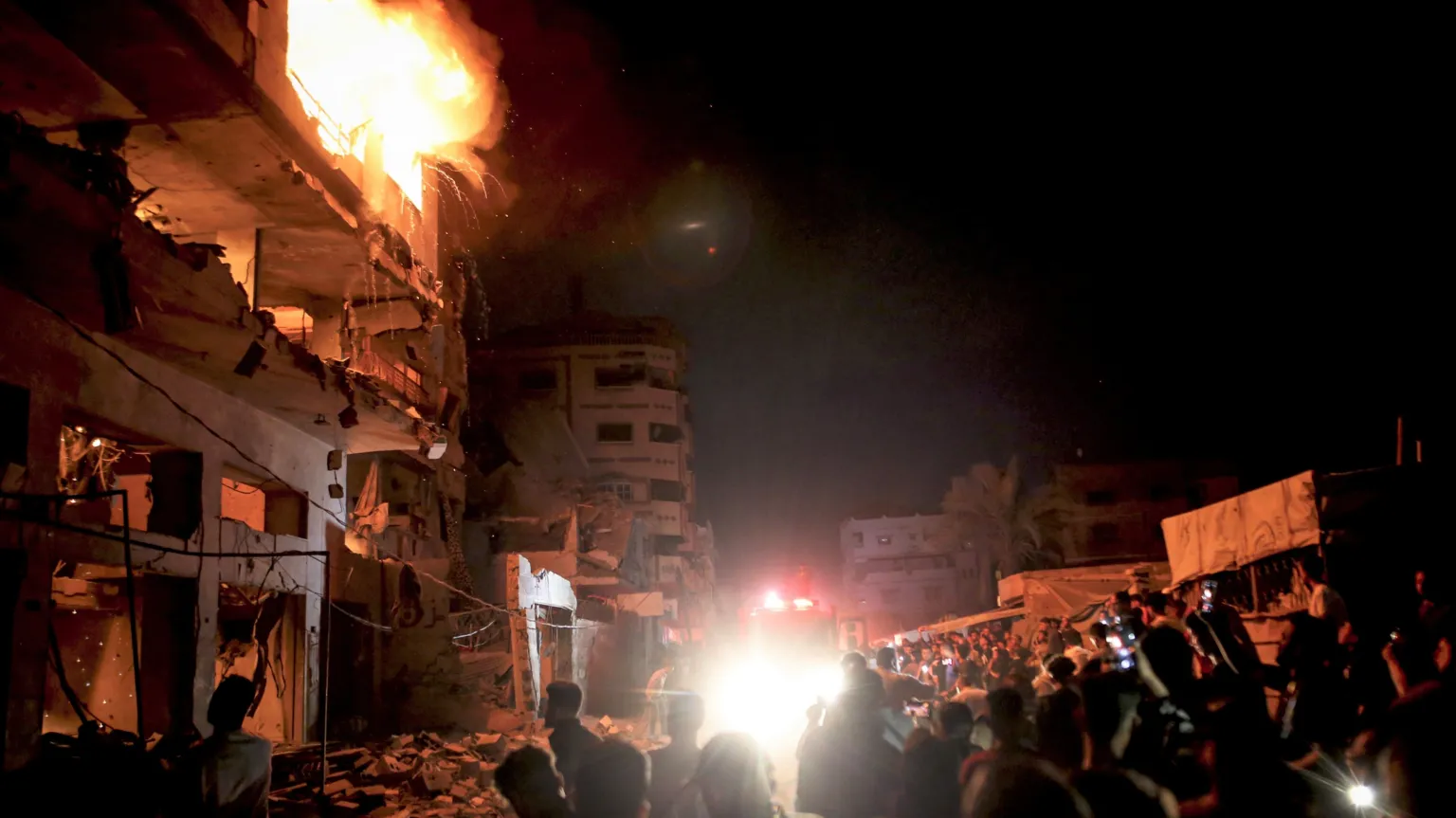
This struggle predates the recent escalation of the Middle East conflict, which has further shaken the global economy.
China’s Resilience Tested Again
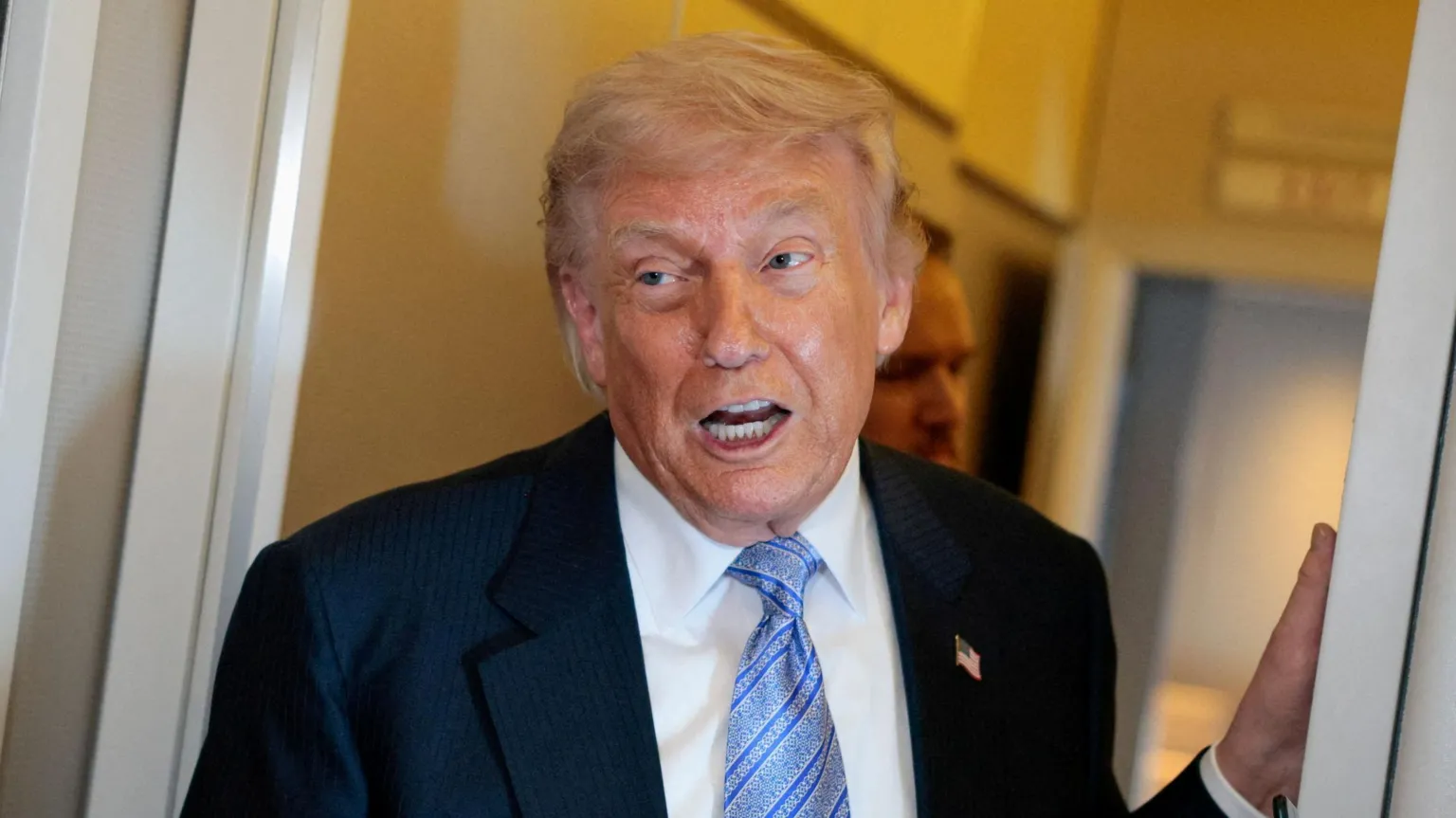
China’s economy was already battling slower growth and unemployment when former US President Donald Trump’s tariffs were imposed last year. Despite these challenges, it demonstrated resilience, boosting exports and reporting a GDP growth of around 5%. However, underlying discontent continued to simmer. Now, the Middle East conflict is beginning to exert fresh pressure on factory orders, costs, and employment.
In Foshan, a key industrial city in the southern province of Guangdong, the immediate opportunities for workers are starkly advertised: a few weeks of moulding plastic or assembling mobile phone parts for 18 to 20 yuan an hour – merely a few dollars or pounds. “I’m going to try and find work elsewhere,” says a worker from a rural province, reflecting the widespread frustration among many over-40 workers facing renewed uncertainty.
Beijing’s Call for Peace Amidst Economic Headwinds
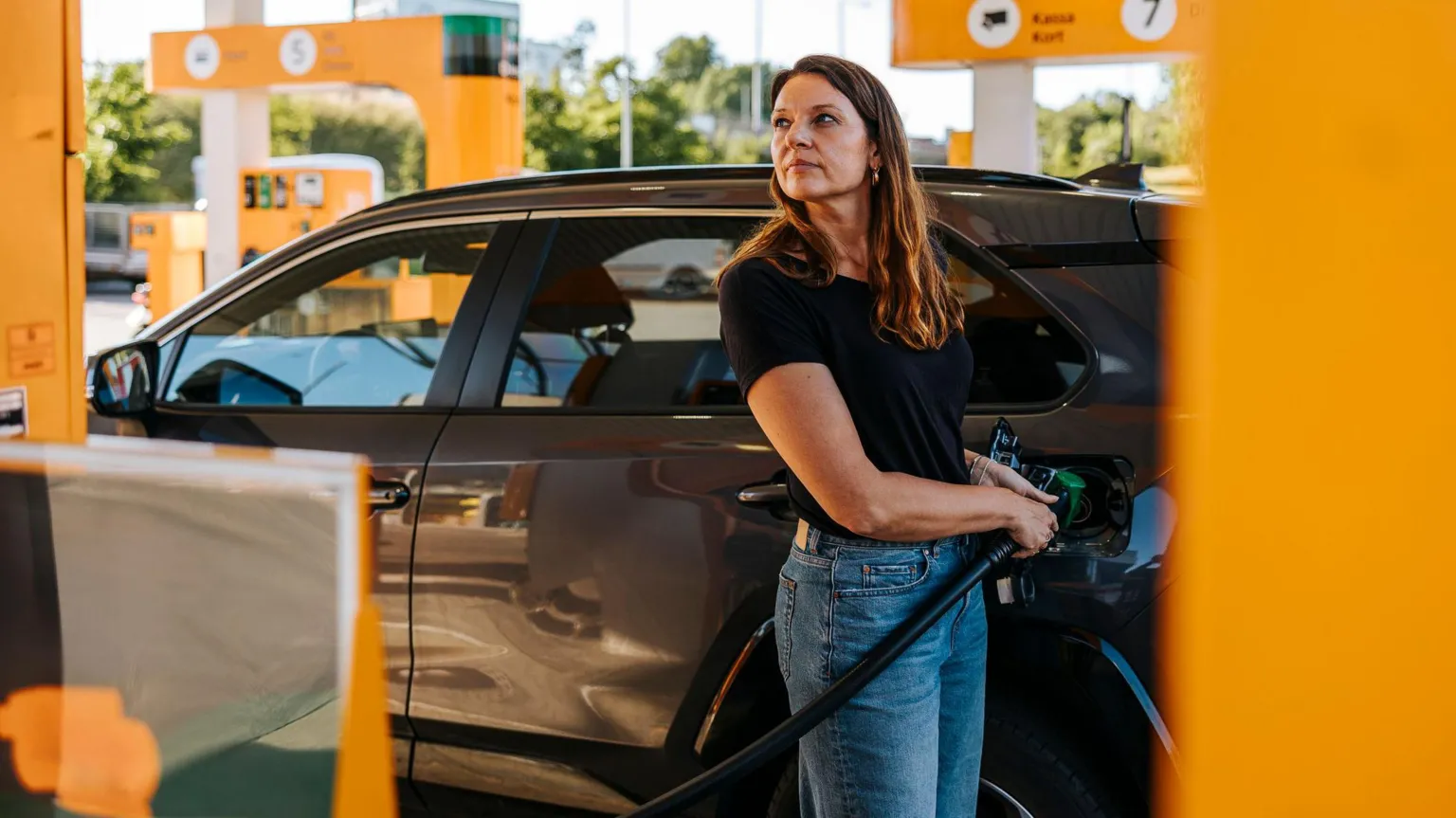
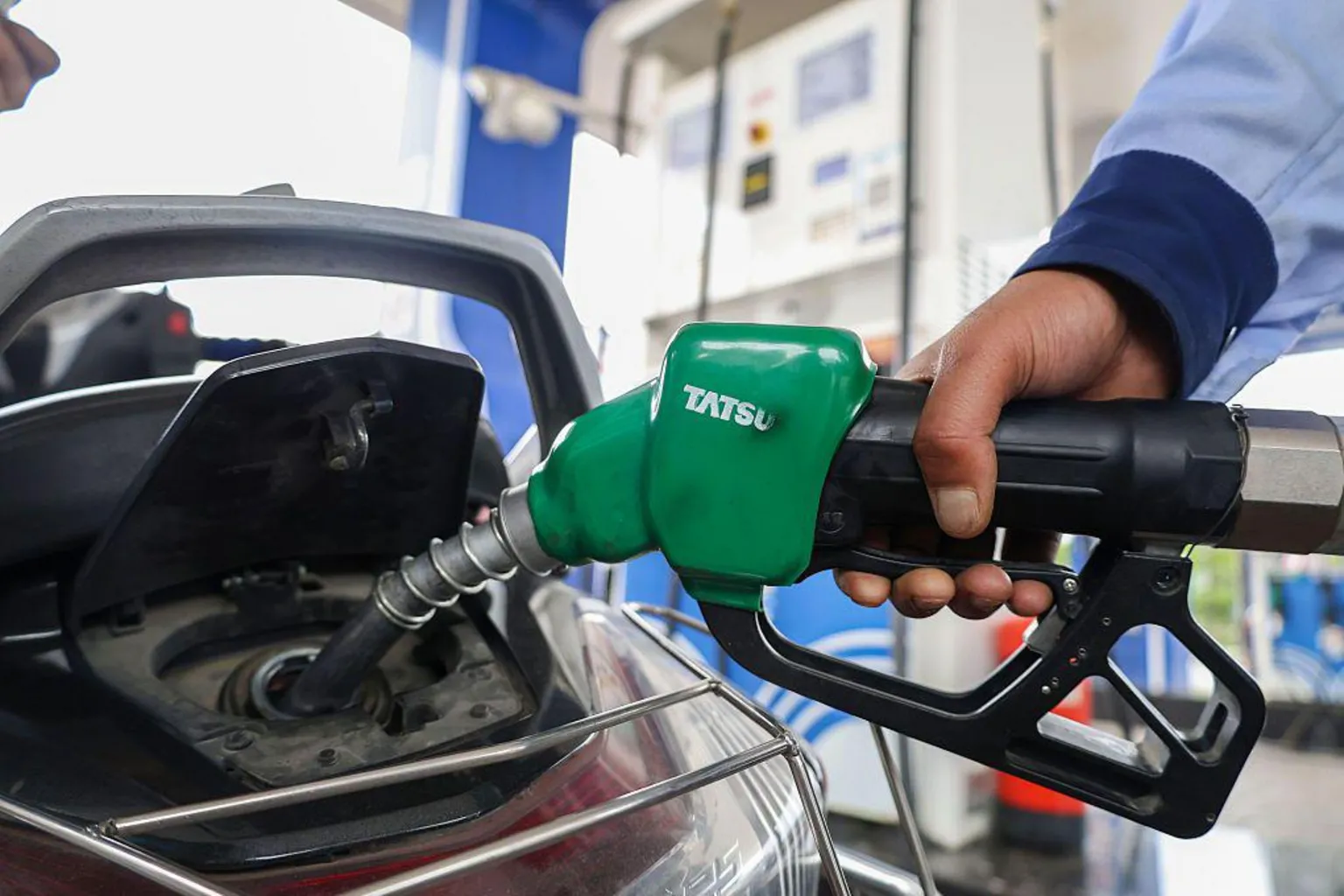
This economic strain is a significant reason why Beijing is advocating for an end to the conflict. While China’s substantial oil reserves and its leadership in renewables and electric vehicles (EVs) have somewhat shielded it from the worst impacts of the fuel crisis, the conflict is disrupting crucial shipping routes like the Strait of Hormuz. This disruption is causing further pain to a sluggish Chinese economy heavily reliant on exports.
“Costs have gone up around 20%,” states an unnamed trader in Guangzhou, an hour’s drive from Foshan, as she oversees the movement of fabric cylinders destined for local factories. Guangzhou hosts the world’s largest fabric market, where streets are alive with motorbikes laden with textiles. Shop owners and sellers share a common story: their trade depends on a cheap and steady supply of oil-derived petrochemicals for fabric production. Higher oil prices are severely impacting them, leading to “fewer orders,” as another trader explains, noting that some customers refuse to pay more, causing fabric rolls to pile up in warehouses. Absorbing these rising costs is difficult for businesses already operating on slim margins.
Unlike a year ago, when a trade war with the US was met with defiance, the mood in Guangzhou now is one of resignation.
Opportunities and Challenges at the Canton Fair
Despite the uncertainty, opportunities persist. A short drive away, the cavernous halls of the Canton Fair welcome buyers from across the globe. Humanoid robots entertain visitors, showcasing the China that Beijing wishes the world to see: a nation focused on the future and developing new technology, even as its rival, the United States, is deeply involved in the Middle East.
Attendees queue to experience AI glasses offering language translation and robotic legs designed for mountain climbing. Everyday gadgets, from stain-clearing vacuum cleaners to espresso machines, are also on display. Traders confirm that prices for these goods are increasing, partly due to their reliance on plastic, a petroleum product.
Nevertheless, buyers continue to flock to the fair, as businesses strive to meet market demands. The conflict has inadvertently highlighted China’s competitive edge in one critical sector: electric vehicles. Chinese manufacturers exported 350,000 EVs in March alone, marking a 30% increase from February and a remarkable 140% rise from March last year, according to the Chinese Passenger Car Association.
EVs are a significant Chinese export to the Middle East. However, trader Joyce Liu notes the difficulty in shipping to customers: “Last year 90% of our cars went to the Middle East but this year because of the war we almost stopped doing business with them.” Many cars remain at Chinese ports. Liu is at the fair to secure new buyers from Africa or South America, while stalls also attract interest from India, Bangladesh, and Turkey, where soaring petrol and diesel costs have led to growing waiting lists for Chinese EVs.
An Omani delegation, inspecting cars under bright spotlights, exemplifies this continued engagement. They are negotiating a deal, with one member, Zahir Mohammed Zahir al-Kaabi, expressing hope: “It’s hard right now, but Inshallah [God willing] the war will finish and business will be good.” This sentiment aligns with Beijing’s aspirations.
China’s Evolving Global Role
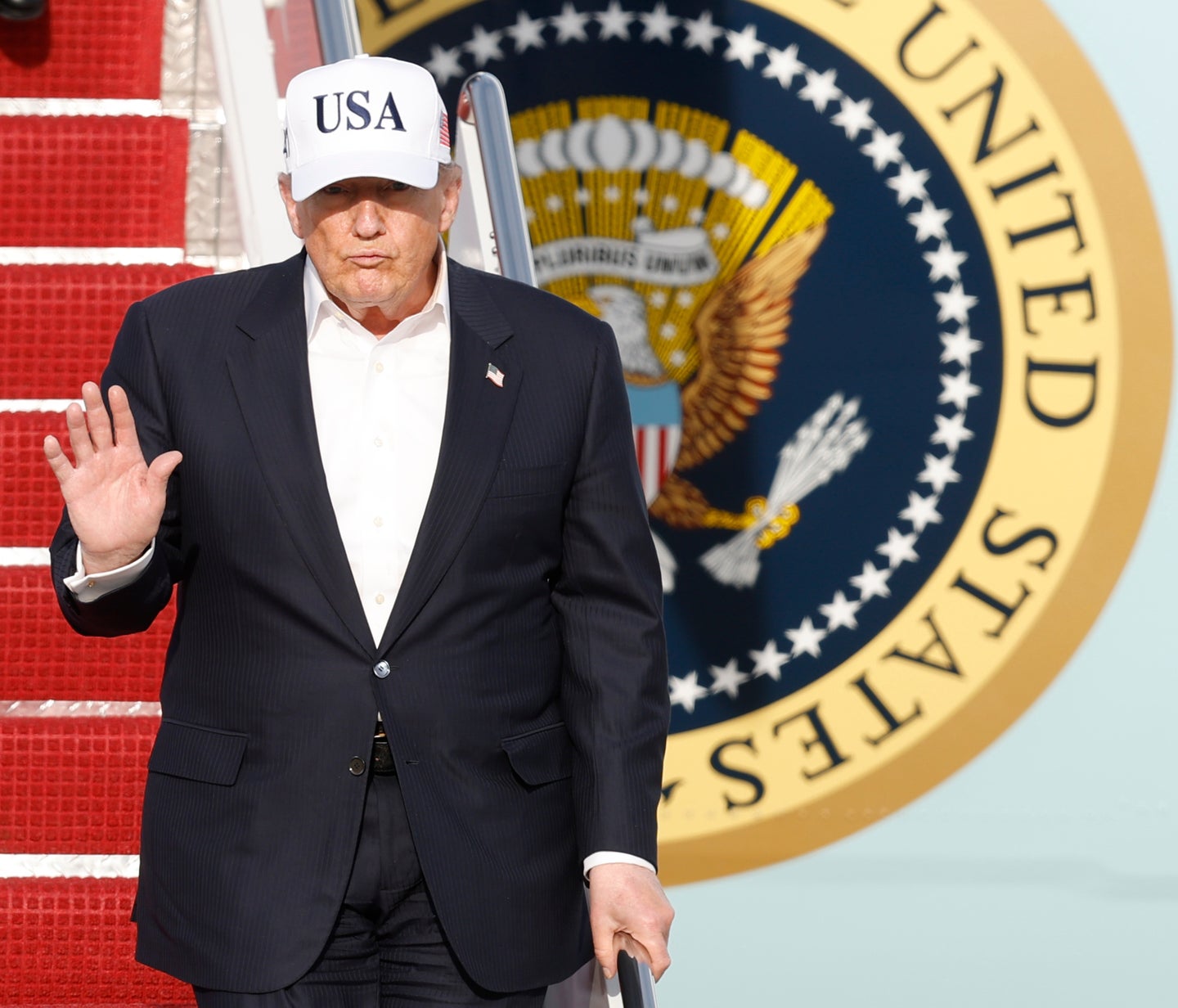
While the conflict may bolster Beijing’s drive towards self-reliance, China isn’t necessarily gaining from this scenario, according to Yu Jie of Chatham House. “Ironically, a declining US is something that China hoped to see. But is this the America that China wanted? It would prefer a US that is more predictable, and that is perhaps easier for Beijing to manage.” She adds that a delicate balancing act lies ahead, as Beijing “does not want to irritate Trump” and aims to secure a scheduled May summit.
From the sidelines, China is diplomatically active, calling for a ceasefire and encouraging Iran towards the negotiating table. President Xi is also engaging with the crown princes of the UAE and Saudi Arabia. This demonstrates China’s growing diplomatic influence, as William Figueroa, a professor at the University of Groningen, observes: “It wants to show both the United States and its partners in the region that it’s serious about its commitments there – and that obviously has a global audience.” This underscores China’s increasing centrality not just in the global economy, but also in global power dynamics.
Yet, for the workers in Foshan, frustrated by stagnant wages, these broader geopolitical shifts mean little. One worker, who cleaned toilets at the Canton Fair, laughs as he shows his pass, recounting his 14-hour workday earned him just 150 yuan ($20; £14.80).
#ChinaEconomy #MiddleEastConflict #GlobalTrade #Manufacturing #EVExports #CantonFair #SupplyChain #OilPrices #Geopolitics #ChineseWorkers

Leave a Reply