


Which Airlines Are Cancelling Flights to the UK – And What Are Your Rights?
Flight prices have been steadily increasing since the onset of the Middle East conflict, causing concern for those planning summer getaways. Additionally, several airlines are reducing their flight schedules, potentially leading to significant changes for travelers.
Many carriers operating routes to the UK have announced plans to decrease flight frequency. These include: KLM, Air Canada, Asiana Airlines, Delta Airlines, Lufthansa, and SAS. Conversely, the following companies have stated they do not plan to alter their schedules: British Airways owner IAG, EasyJet, and Jet2Holidays.
What’s Happening to Flight Prices?
While some airlines are cutting flights to save costs, others are increasing fares or introducing higher charges for luggage. Airlines implementing these changes include: Air France-KLM, Indigo, British Airways-owner IAG, Pakistan International Airlines, Thai Airways, Turkish Airlines-Sun Express, and Virgin Atlantic.
Can Airlines Change Prices or Cancel Flights After Booking?
According to Rory Boland, travel editor at consumer publication Which?, overall cancellations will represent a very small fraction of the millions of flights to and from the UK. Airlines are expected to prioritize cancellations on routes with multiple daily flights, facilitating easier re-accommodation of passengers.
Spanish regional airline Volotea has faced criticism for announcing a surcharge on already sold tickets, leading to challenges from local consumer rights groups. Independent consumer commentator Jane Hawkes notes that an airline or tour operator can only raise prices post-sale if a specific caveat is included in the terms and conditions, though this is not standard practice. For package holidays, however, tour operators can add up to 8% to the cost after booking, citing a ‘significant rise in fuel costs,’ Boland explains. Despite this, Which? found that most operators are promising not to add surcharges this year.
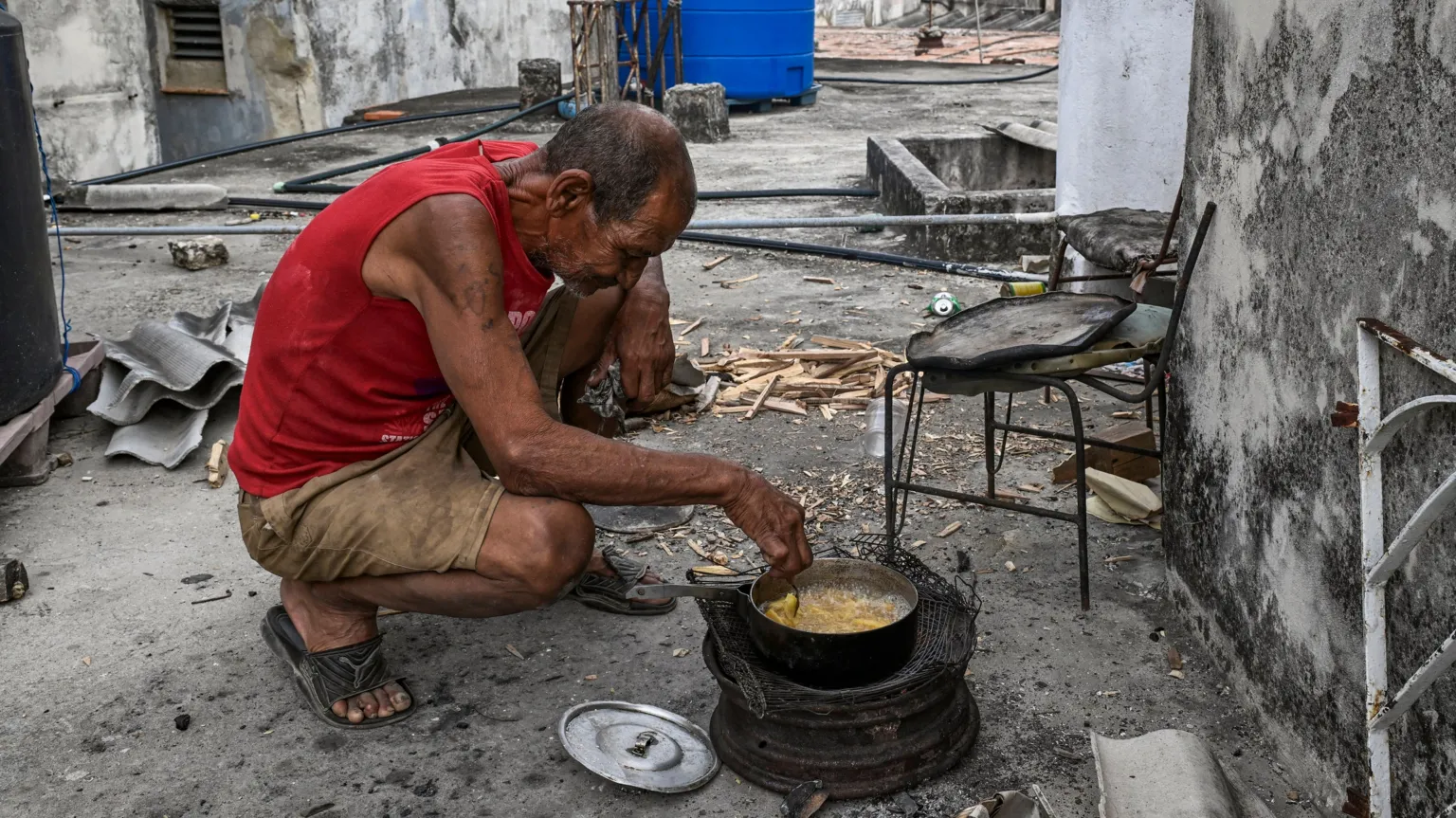
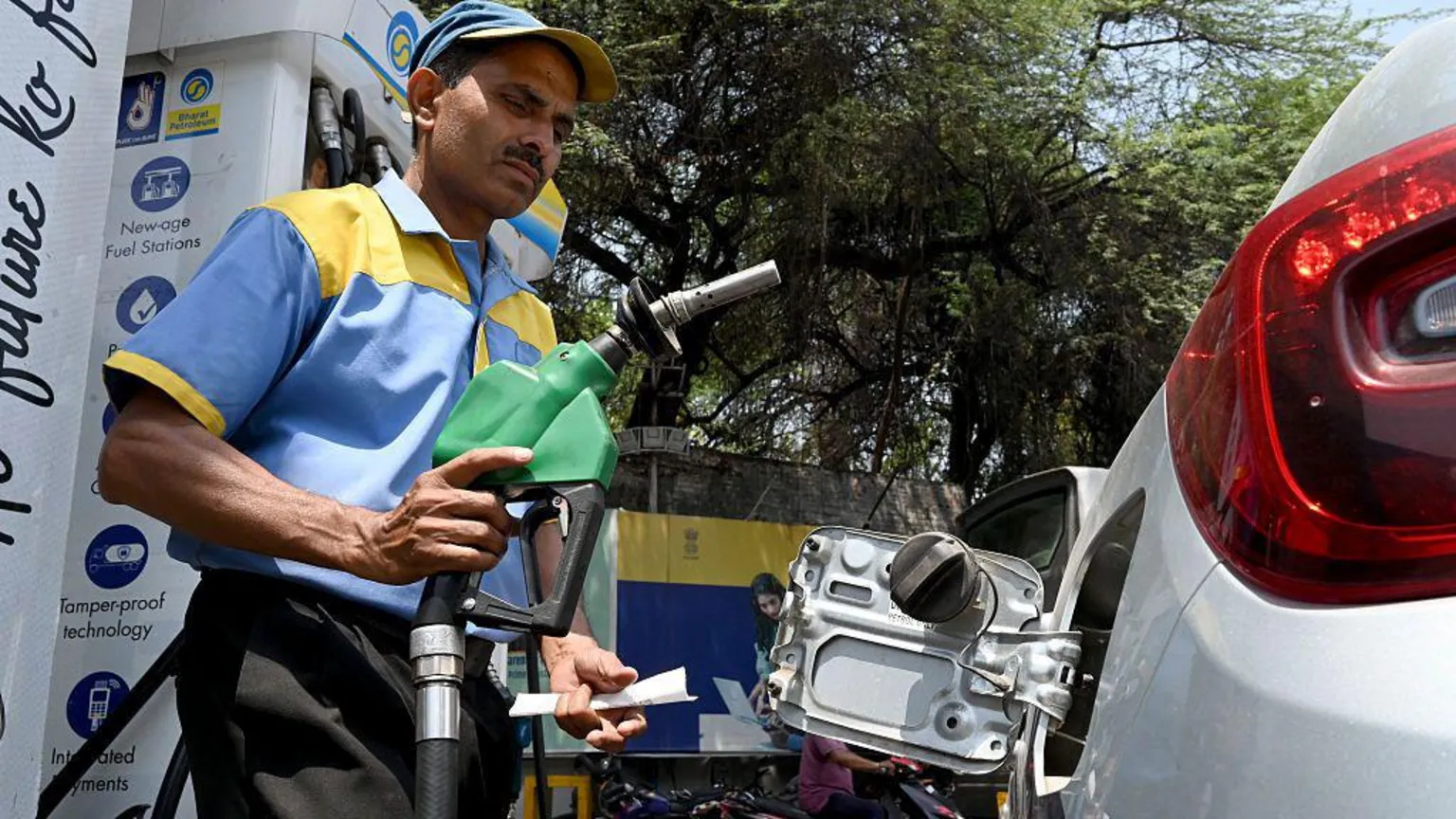
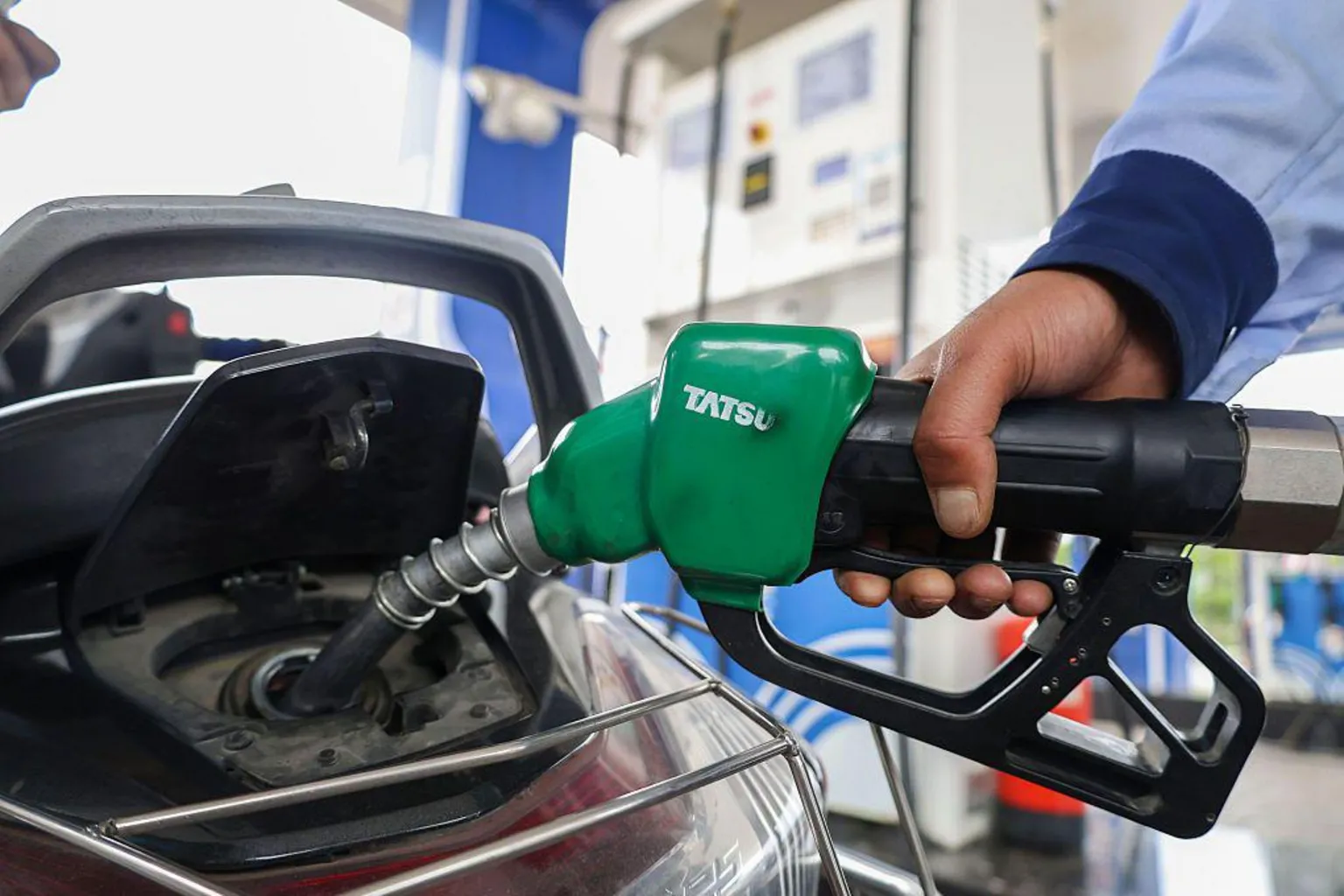
A significant portion of the industry’s jet fuel supply transits through the Strait of Hormuz, which has been effectively closed to shipping since early March. While airlines are not currently experiencing physical fuel shortages, warnings of potential shortages by summer have been issued if the conflict persists. The supply squeeze has already caused a sharp increase in jet fuel prices, which roughly doubled during March and the first half of April. Airlines secure deals in advance to lock in lower prices, but in the long term, they will be paying more for fuel.
The most significant fare increases have been observed on long-haul routes via Asia, where airlines have had to adjust flight paths to avoid flying over the Gulf region. According to consultancy Teneo, flights from London to Melbourne in June are now 76% more expensive than last year, and flights to Hong Kong have seen a 72% increase.
Jane Hawkes advises that there’s ‘no right or wrong’ approach; waiting for last-minute deals might be beneficial, or booking now could be prudent. However, she does not anticipate prices falling for the remainder of the year, as airlines must cover increased operational costs. She recommends flexibility in travel dates and destinations, suggesting alternatives like road or rail travel, or considering holidays within the UK. Always book travel insurance and verify that your policy covers travel disruption, she adds. Furthermore, ensure you have a ‘contingency pot.’ Even if your holiday operator or airline is responsible for covering disruption, you might need to pay upfront and claim reimbursement later, a process that can take months, she cautions.
What Are Your Rights If Your Flight Is Cancelled?
If your flight is cancelled, the airline is obligated to either get you to your destination or offer a full refund. For delays exceeding a couple of hours, the airline is required to provide food and hotel accommodation. These obligations apply under ordinary circumstances. In cases of war, severe weather, or other situations beyond the airline’s control, they are not required to offer extra compensation. Airlines are currently seeking clarity on whether fuel shortages resulting from the current conflict would be classified as ‘extraordinary circumstances.’ If you booked your accommodation separately, the airline is not required to compensate you for any missed days. However, if your package holiday travel is disrupted, your tour operator should extend your stay, offer an alternative holiday, or provide a refund for the holiday, Boland states.
#FlightCancellations #AirlineNews #TravelAdvisory #SummerTravel #FlightPrices #ConsumerRights #TravelTips #MiddleEastConflict #JetFuelPrices #UKTravel


Leave a Reply