

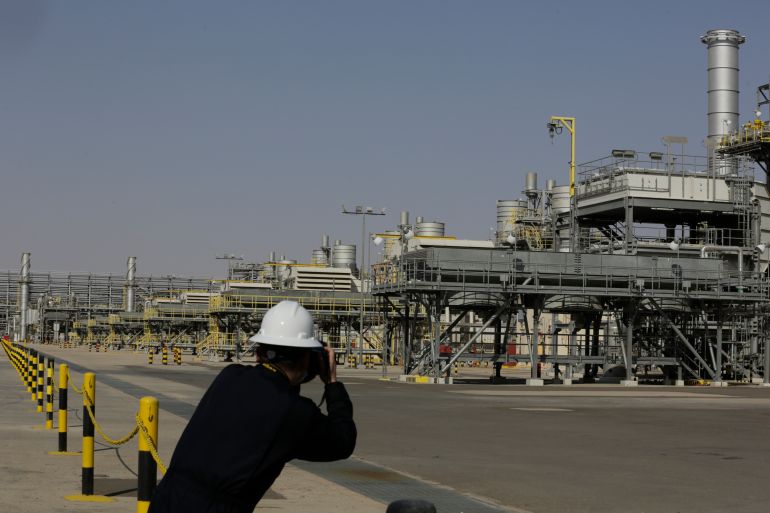
The United Arab Emirates (UAE) has announced its departure from both OPEC and the broader OPEC+ framework, signaling a significant shift within one of the energy world’s most influential organizations.
The Gulf nation, boasting an approximate production capacity of 4.8 million barrels per day and considerable potential for increased output, declared its withdrawal on Tuesday. The stated reason is to prioritize “national interests.”
This development unfolds amidst escalating regional tensions and conflicts, which have contributed to an historic energy shock.
Understanding OPEC: A Historical Overview
The Organization of the Petroleum Exporting Countries (OPEC) is a permanent, intergovernmental body headquartered in Vienna, Austria. Its primary objective is to coordinate and unify petroleum policies among its member states.
OPEC was established at the Baghdad Conference in September 1960 by five pioneering oil-producing nations: Iran, Iraq, Kuwait, Saudi Arabia, and Venezuela.
At its inception, global oil markets were largely controlled by a consortium of powerful Western oil companies, often referred to as the “Seven Sisters,” which dictated both production levels and prices.
The core aim of the founding countries was to assert sovereignty over their natural resources, ensure fair and stable prices for petroleum producers, and guarantee consistent supplies to consuming nations.
OPEC currently comprises 12 members. These include Algeria, Republic of the Congo, Equatorial Guinea, Gabon, Iran, Iraq, Kuwait, Libya, Nigeria, Saudi Arabia, and Venezuela. The UAE’s withdrawal will reduce this number.
According to a statement released on Tuesday, the UAE’s exit will become effective on May 1st. The UAE has been a contributing member of the organization since 1967.
OPEC strives for price stability by setting agreed production quotas for its members, who collectively control approximately 30 percent of the world’s oil supply.
Since 2016, OPEC has collaborated with non-OPEC producers like Russia, Azerbaijan, Kazakhstan, Bahrain, Brunei, Malaysia, Mexico, Oman, South Sudan, and Sudan through its OPEC+ framework. This extended group accounts for about 41 percent of global supply.
Why Did the UAE Leave OPEC and OPEC+?
Alongside Saudi Arabia, the UAE is one of the few OPEC members possessing significant spare capacity, a crucial factor that enables the organization to respond to supply shocks. However, nations with such capacity might opt to monetize their reserves rather than solely using them to stabilize the market.
The UAE’s increasingly assertive foreign policy has progressively distanced it from fellow OPEC members, particularly Saudi Arabia, with whom it holds differing views on issues such as Yemen and other regional matters.
Abu Dhabi has been actively cultivating its own sphere of influence across the Middle East and Africa. It has also strengthened its ties with the United States and Israel, formalizing relations through the 2020 Abraham Accords.
The UAE views its relationship with Israel as a vital leverage point for regional influence and a unique conduit to Washington, especially after experiencing attacks during regional conflicts.
The UAE is not the first nation to leave the organization. In recent years, Indonesia, Qatar, Ecuador, Angola, and Gabon have also withdrawn, primarily due to disagreements over output quotas.
#OPEC #OPECPlus #UAEEconomy #OilMarket #EnergyNews #GlobalOil #MiddleEast #UAEWithdrawal #OilPrices #Geopolitics



Leave a Reply